Seasonal Displays
Edinburgh, United Kingdom
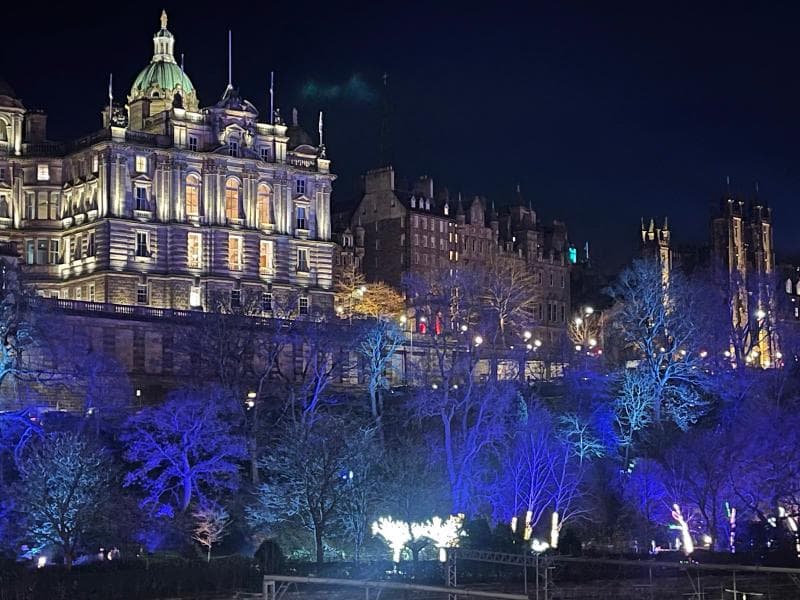
Discover the enchanting seasonal displays at Princes Street Gardens in Edinburgh, UK, from the historic Floral Clock to the festive Christmas Market.
Overview
Nestled in the heart of Edinburgh, United Kingdom, Princes Street Gardens offer a vibrant green expanse that beautifully separates the historic Old Town from the elegant New Town. This iconic park, with Edinburgh Castle dramatically perched above its western end, is far more than just a tranquil green space; it's a dynamic stage for 'Seasonal Displays' that transform the gardens throughout the year. From the intricate artistry of the world-renowned Floral Clock in summer to the enchanting spectacle of the Christmas Market in winter, these seasonal presentations are integral to the city's charm and cultural calendar. The gardens are split into two sections, East and West, by The Mound, an artificial hill hosting the National Gallery of Scotland, each part contributing to the rich tapestry of seasonal experiences available to visitors.
History & Cultural Background
The very existence of Princes Street Gardens is a testament to Edinburgh's evolution. What is today a picturesque public park was once the Nor Loch, a marshland created in the Middle Ages as a defensive feature for the city. Historically, the Nor Loch had a less appealing reputation, serving as a dumping ground for waste and, according to some accounts, a site for 'witch ducking'. As Edinburgh expanded and the New Town was developed in the late 18th century, the Nor Loch was gradually drained, with the gardens officially inaugurated around 1820. Initially, parts of the gardens, particularly the western section, were private property for the residents of Princes Street. However, in 1876, the town council acquired the land, opening it to the public and cementing its role as a beloved urban oasis. Over the decades, the gardens have become a repository of Scottish history, adorned with significant monuments such as the grand Scott Monument and the ornate Ross Fountain, each telling a piece of Edinburgh's story.
What Makes It Special
The 'Seasonal Displays' in Princes Street Gardens are particularly special due to their deep integration into the city's fabric and the unique combination of natural beauty with artistic and cultural expression. The crown jewel of summer is undoubtedly the Floral Clock, first planted in 1903 and believed to be the oldest of its kind in the world. This horticultural masterpiece, located in West Princes Street Gardens, is painstakingly created each year with 30,000 to 35,000 plants, celebrating a different anniversary or institution with its vibrant design. Its hands, originally installed by James Ritchie & Son, have been electrically operated since 1973, silently keeping time amidst the blossoms. Come winter, the East Princes Street Gardens transform into a magical Christmas Market, a spectacle that consistently ranks among Europe's best. This festive 'Winter Wonderland' features traditional stalls, thrilling rides like the LNER Big Wheel and the Around the World Starflyer, and an abundance of seasonal food and drink, all set against the breathtaking backdrop of Edinburgh Castle. These transformations ensure that the gardens remain a focal point of activity and beauty year-round, making every visit a unique experience.
Stories, Fun Facts & Local Details
The history of Princes Street Gardens is rich with intriguing details. The Nor Loch, for instance, was so notoriously polluted that tales suggest attempts at 'witch ducking' were often hampered by the sheer amount of refuse in the water, making it difficult for anyone to sink. The Floral Clock itself has a charming story; when it was first created by Parks Superintendent John McHattie in 1903, it only had an hour hand, with the minute hand added a year later and a cuckoo mechanism in 1952. It takes a dedicated team weeks to plant its intricate designs each spring, using a variety of dwarf annuals and succulents for its carpet bedding effect. Beyond these main attractions, the gardens host a wide array of festivals throughout the year, from the lively Edinburgh International Festival, with its 'Together We Rise' performances, to the Jazz & Blues Festival and Hogmanay celebrations, showcasing the city's vibrant cultural scene. During spring, visitors can witness another natural display as cherry blossom trees erupt in delicate pink, providing a stunning frame for photographs of Edinburgh Castle. For locals, especially during the bustling Christmas Market, there's even a special EH postcode discount for rides, a thoughtful touch amidst the global renown.
Visitor Perspective
For the curious traveler, Princes Street Gardens offers a welcoming and accessible experience. The gardens are open daily from early morning, with closing times adjusting throughout the year based on daylight hours, and entry is always free. The pathways are generally paved, accommodating strollers and wheelchairs, though some of the inclines between the garden's different levels can be steep. During peak seasons, particularly the Christmas Market, visitors should anticipate large crowds and plan accordingly, perhaps arriving earlier in the day to fully enjoy the festive atmosphere. Public amenities, including toilets, are available at various points within the park. Whether you're seeking a quiet stroll amidst historic monuments, a vibrant festive experience, or simply a spot to enjoy the magnificent views of Edinburgh Castle, the 'Seasonal Displays' of Princes Street Gardens provide a captivating and ever-changing landscape that truly reflects the spirit of Scotland's capital. It's a place where history, nature, and culture beautifully intertwine, offering memorable moments in every season.
Coordinates: -3.200758, 55.950257
View on Google Maps💬 How Travelers Describe This Place
Based on community votes
Must See
787Interesting
748Beautiful
85Unique
73Photogenic
35
Traveler Stories
Discover memorable experiences shared by travelers who have visited this place.
No traveler stories yet.
Be the first traveler to share what made this place memorable.

Tour
By
Spot
Discover amazing places around the world. Your journey starts here.
Explore
© 2026 TourBySpot. All rights reserved.