Sculptures
Vientiane, Laos
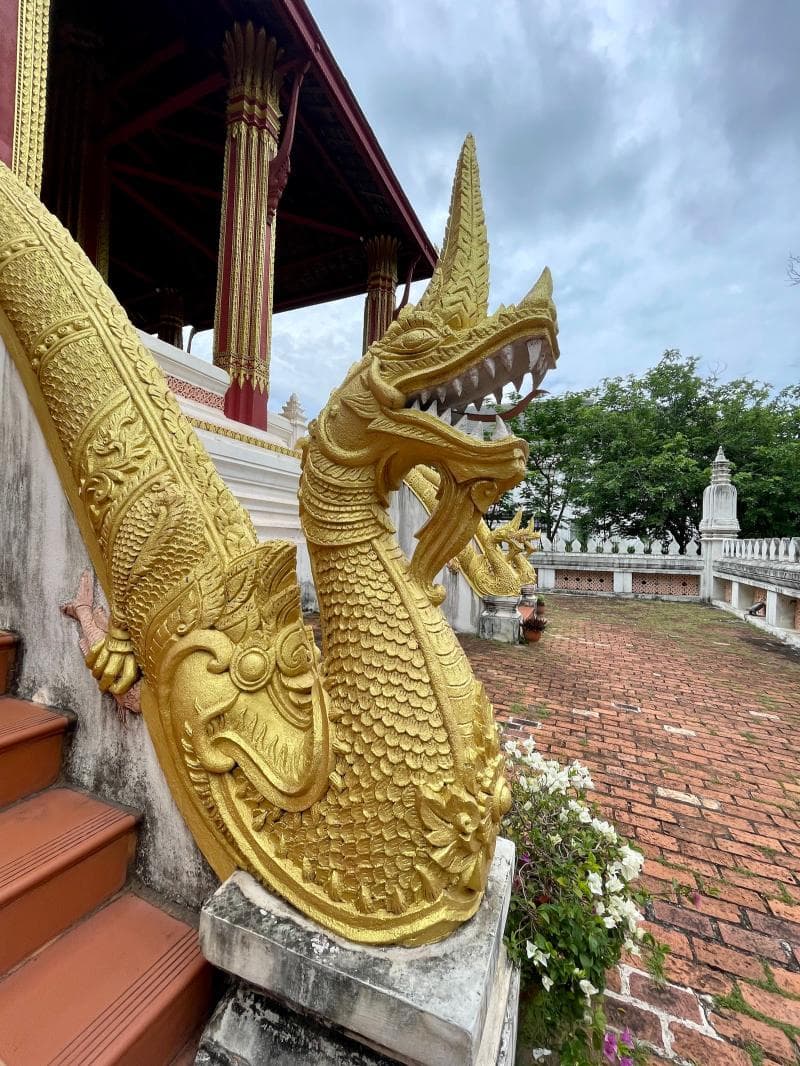
Discover the profound sculptures at Wat Ho Phra Keo in Vientiane, Laos, a museum showcasing ancient Buddhist and Khmer art, and rich cultural history.
Overview
Nestled in the heart of Vientiane, Laos, Wat Ho Phra Keo, also known as Haw Phra Kaew, stands as a remarkable museum of religious art rather than an active temple today. Originally constructed in 1565 by King Setthathirath, its primary purpose was to house the revered Emerald Buddha. While the iconic jade statue now resides in Bangkok, the site remains a profound repository of Lao history, culture, and, most notably, a captivating collection of sculptures. Visitors to this historical landmark are greeted by an array of artistic expressions, from ancient Buddhist figures to intricate carvings that tell tales of devotion and craftsmanship.
The 'Sculptures' within Wat Ho Phra Keo are a key highlight, presenting a diverse range of materials and styles that reflect the rich artistic traditions of Laos and its historical connections. These sculptural works are strategically placed throughout the former temple grounds and within the museum, guiding visitors through a spiritual and historical journey. The collection provides invaluable insight into the religious ideology and artistic creativity that have flourished in the region for centuries.
History & Cultural Background
The story of Wat Ho Phra Keo is deeply intertwined with the history of Laos itself, particularly its royal and religious past. Built by King Setthathirath in the mid-16th century, the temple served as his personal place of worship and the royal chapel, designed specifically to enshrine the Emerald Buddha he brought from Chiang Mai. For over two centuries, this precious artifact graced the temple, becoming a powerful symbol of the Lan Xang Kingdom.
However, the temple's existence has been marked by periods of destruction and reconstruction. Following the Siamese invasion in 1779, the Emerald Buddha was taken to Thailand. The temple itself was repeatedly damaged, notably in 1828. The present structure, which houses the extraordinary collection of sculptures, is largely a reconstruction undertaken between 1936 and 1942, during the French colonial period. In the 1970s, it transitioned from a place of worship to a national museum, dedicated to preserving and showcasing Laos's religious art and cultural heritage. This transformation has allowed its sculptural treasures to be admired by a wider audience, free from the daily rituals of an active temple.
What Makes It Special
The sculptural collection at Wat Ho Phra Keo is particularly special due to its breadth and historical significance. It features some of the finest examples of Lao Buddhist sculpture, alongside pieces from Khmer culture. On the main terrace and within the museum, one can encounter numerous Buddha statues crafted from terracotta, stone, and bronze. Many of these figures retain their traditional gold covering on the heads, chests, and other body parts, symbolizing their strength and holiness.
Beyond the iconic Buddha images, the 'Sculptures' also include intricately carved wooden doors from the 16th century, adorned with Hindu carvings, and ancient stone inscriptions. The presence of stone Buddhas dating as far back as the 6th to 9th centuries speaks to the enduring artistic legacy and the deep roots of Buddhism in the region. The diverse array of materials and periods represented offers a comprehensive view of the evolution of sacred art in Laos.
Stories, Fun Facts & Local Details
While the Emerald Buddha is no longer present, the temple itself is a powerful testament to the resilience of Lao culture. The very name 'Ho Phra Keo' means 'Altar of the Emerald Buddha,' a poignant reminder of its former resident and the historical events that shaped the nation.
A delightful detail for visitors are the mythical naga, serpentine guardians, whose stone balustrades flank the temple's stairways, their heads facing outwards as if perpetually protecting the sacred grounds. Inside, visitors might notice the detailed carvings on petrified tree trunks and ancient stone pots displayed in the gardens, offering a glimpse into the everyday artistry and reverence for natural materials. The museum also preserves other ancient relics like lacquered thrones and palm-leaf manuscripts, illustrating the broader artistic and intellectual traditions that complement the sculptural arts.
Visitor Perspective
As you wander through the serene grounds of Wat Ho Phra Keo, you are not merely observing statues; you are stepping into a narrative spanning centuries. The careful arrangement of the sculptures throughout the complex encourages contemplation and a deeper understanding of Buddhist tenets and Lao artistic values. The tranquil gardens, dotted with statues and lush greenery, provide a peaceful setting that enhances the appreciation of the artworks.
Although the building itself is a reconstruction, its aged appearance, with walls and carvings that look worn by time, masterfully conveys a sense of ancientness. This creates an immersive experience where the art and architecture seamlessly blend to tell a continuous story of faith and cultural pride. For any curious traveler, exploring the sculptures at Wat Ho Phra Keo offers a profound immersion into the spiritual and artistic heart of Laos, making it an essential stop for understanding the country's rich heritage.
Coordinates: 102.61167, 17.96139
View on Google Maps💬 How Travelers Describe This Place
Based on community votes
Beautiful
703Photogenic
646Interesting
380Unique
291Must See
28
Traveler Stories
Discover memorable experiences shared by travelers who have visited this place.
No traveler stories yet.
Be the first traveler to share what made this place memorable.

Tour
By
Spot
Discover amazing places around the world. Your journey starts here.
Explore
© 2026 TourBySpot. All rights reserved.