Sculptures
Geneva, Switzerland
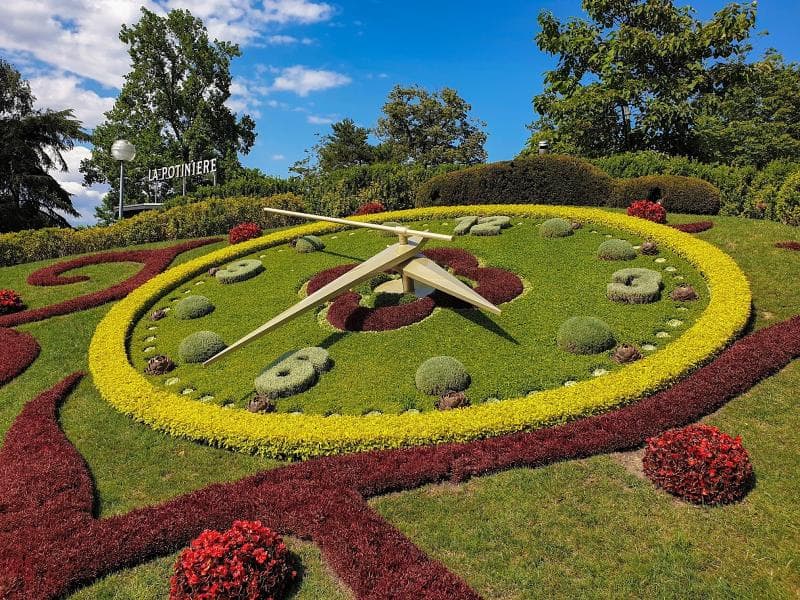
Discover the captivating sculptures in Jardin Anglais, Geneva, Switzerland. Explore the iconic Flower Clock, the historic National Monument, and unique artistic works.
Overview
Nestled along the serene shores of Lake Geneva, the Jardin Anglais, or English Garden, is a vibrant green oasis in the heart of Geneva, Switzerland. While celebrated for its picturesque landscape and tranquil atmosphere, the garden is also a captivating open-air gallery, home to a remarkable collection of sculptures that weave together history, artistry, and natural beauty. These artistic installations, ranging from symbolic monuments to intricate floral designs, offer visitors a unique journey through Geneva's heritage and its appreciation for art in public spaces. Each sculpture tells a story, contributing to the rich tapestry of this beloved urban park.
History & Cultural Background
The Jardin Anglais itself holds historical significance, established in 1855 as Geneva's first English-style park, designed to enhance the beauty of the lakefront, particularly the ancient wooden harbor. This transformation introduced winding pathways and a more naturalistic landscape, a departure from formal French gardens. Over time, it became a canvas for significant public art. The most prominent historical sculpture is the National Monument, inaugurated in 1869. This bronze statue, sculpted by Robert Dorer, commemorates a pivotal moment: Geneva's entry into the Swiss Confederation on September 12, 1814. It features two young women symbolizing the Republic of Geneva and Helvetia (Switzerland), embracing in a gesture of unity, with their gazes fixed towards the lake and the rest of Switzerland. This monument stands as a powerful testament to the city's identity and its place within the Swiss nation. The garden was expanded and modified over the years, continually integrating new artistic expressions into its verdant setting.
What Makes It Special
The sculptures within the Jardin Anglais are special for their blend of historical importance, artistic craftsmanship, and their seamless integration into the natural environment. The Flower Clock, or L'horloge Fleurie, is arguably the most famous and distinctive piece. Created in 1955, it pays homage to Geneva's world-renowned watchmaking traditions and its horticultural expertise. This functional timepiece is a living masterpiece, composed of approximately 12,000 vibrant flowers and plants whose arrangements are meticulously changed with each season. Its striking feature is its 2.5-meter-long second hand, recognized as the longest in the world, ticking with satellite-synchronized Swiss precision.
Beyond the Flower Clock and the National Monument, the garden features other notable works. The monumental bronze Four Seasons Fountain, sculpted by Alexis Andre, is a refreshing focal point in the park's center, offering both artistic beauty and a welcoming respite. Additionally, several busts honor significant Swiss artists, including painters Alexandre Calame and François Diday, and sculptor Auguste Rodo de Niederhausen, ensuring that the legacy of Swiss creativity is celebrated amidst nature. A more contemporary and unique sculpture is the Abrimaux Sculpture, carved in 1992 from a 120-year-old Sequoia tree. This piece, depicting the Key and the Eagle from Geneva's coat of arms, is unique as it was created directly from a tree already present in the garden, making it an integral part of its environment and giving it a distinct charm.
Stories, Fun Facts & Local Details
The Flower Clock often captures the imagination, not just for its beauty but for the intricate care it demands. The city's Green Spaces Department meticulously tends to its thousands of plants, ensuring the floral display remains fresh and accurate year-round. This constant renewal means the clock always offers a slightly different face depending on the season, a subtle, living artwork. The National Monument, with its two allegorical figures, tells a story of enduring partnership and sovereignty, a constant visual reminder of Geneva's historical journey. The figures, with sword and shield, stand guard over the city's legacy. Local visitors and seasoned travelers alike often pause to ponder the meaning behind these figures, connecting with the deep-rooted history they represent. The Abrimaux Sculpture, crafted from an existing tree, embodies an eco-conscious approach to art, harmonizing human creation with natural forms and serving as a quiet testament to the city's respect for its green spaces. These sculptures are not static objects but dynamic elements within a living landscape, reflecting Geneva's blend of tradition and innovation.
Visitor Perspective
Visiting the sculptures of Jardin Anglais is an experience that combines a leisurely stroll with cultural enrichment. Travelers can begin their exploration near the Flower Clock, marveling at its precision and seasonal floral arrangements, a popular spot for photographs. A short walk leads to the dignified National Monument, where one can reflect on Geneva's historical independence and its bond with Switzerland. The winding paths invite discovery, revealing the Four Seasons Fountain and the busts of Swiss artists, each adding to the garden's allure. The sculptures are freely accessible, allowing for unhurried contemplation. The park's lakeside location also offers stunning views of Lake Geneva and the famous Jet d'Eau, making it an ideal setting for both art appreciation and relaxation. The atmosphere is generally calm and inviting, providing a perfect escape within the bustling city. These artworks, set against the backdrop of changing seasons, offer a fresh perspective with every visit, truly making the Jardin Anglais a destination for both casual visitors and art enthusiasts.
Coordinates: 6.1524, 46.2043
View on Google Maps💬 How Travelers Describe This Place
Based on community votes
Must See
847Photogenic
712Beautiful
513Unique
482Interesting
62
Traveler Stories
Discover memorable experiences shared by travelers who have visited this place.
No traveler stories yet.
Be the first traveler to share what made this place memorable.

Tour
By
Spot
Discover amazing places around the world. Your journey starts here.
Explore
© 2026 TourBySpot. All rights reserved.