Sculpture Garden
Podgorica, Montenegro
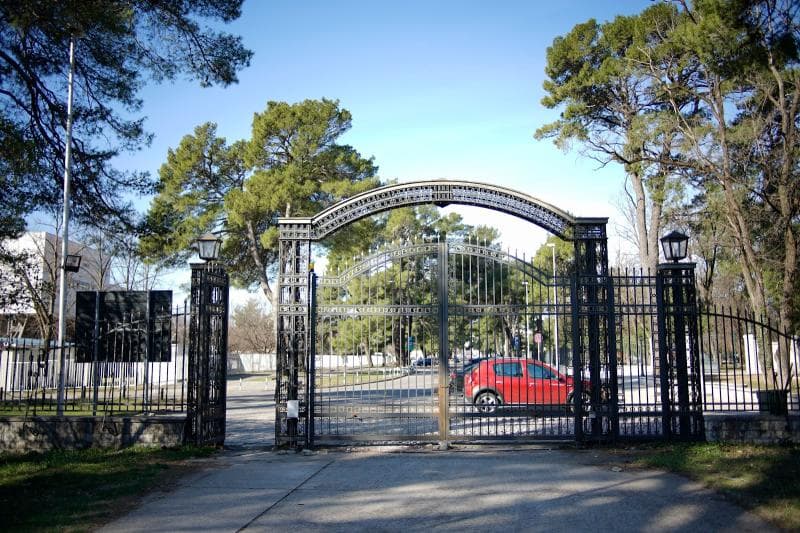
Discover the Sculpture Garden at Petrović Castle in Podgorica, Montenegro. Explore outdoor contemporary art amidst royal history and serene parkland.
Overview
Nestled within the verdant expanse of Petrović Castle in Podgorica, Montenegro, lies a captivating Sculpture Garden, an integral part of the Contemporary Art Center of Montenegro. This unique outdoor gallery seamlessly blends a rich historical setting with modern artistic expression. The castle complex, often referred to as Kruševac Park, offers visitors a serene escape from the urban bustle, inviting them to wander amidst a diverse collection of sculptures set against a backdrop of ancient trees and carefully manicured landscapes. It is a place where history whispers through the elegant architecture of the former royal residence, while contemporary art speaks to the present moment, fostering a dialogue between past and future.
History & Cultural Background
The Petrović Castle complex itself boasts a fascinating history, dating back to its construction between 1891 and 1894 as the winter residence for King Nikola I of Montenegro. Commissioned by the monarch, it was intended as a representative home for his son, Prince Mirko Petrović-Njegoš, emphasizing elegance and comfort over military might. The palace and its extensive grounds were carefully designed from the outset, incorporating a forest park, botanical garden, and even a music pavilion, creating a picturesque environment. Over the decades, the complex saw various transformations, serving as a hospital during the Balkan Wars and later, in 1919, even hosting an American Red Cross hospital and an orphanage. A significant turning point for its artistic role came in 1983 when it was adapted to house the Gallery of Art of Non-Aligned Countries 'Josip Broz Tito.' This gallery eventually evolved into the Contemporary Art Center of Montenegro and, more recently, the Museum of Contemporary Art of Montenegro, becoming a pivotal hub for artistic and cultural life in the country.
What Makes It Special
The Sculpture Garden at Petrović Castle is particularly special due to its harmonious integration of art and nature within a site of profound historical significance. Unlike many traditional indoor galleries, this outdoor exhibition offers a dynamic and immersive experience, where the changing light, seasons, and natural elements become part of the artwork's perception. The sculptures, many of which were created during artist residencies in the 1980s under the 'Josip Broz Tito' Gallery, are permanently displayed throughout the park, offering a tangible link to a significant period in global diplomacy and artistic exchange – the Non-Aligned Movement. The collection from the Non-Aligned countries is notably unique in Southeastern Europe, showcasing a broad spectrum of works from various continents. Visitors can stroll through the park and encounter diverse forms, materials, and artistic visions, each piece engaging with its natural surroundings in a distinct way. The sprawling grounds, with their ancient cedar trees, alpine and coastal pines, and acacias, provide a living, breathing gallery that is constantly evolving.
Stories, Fun Facts & Local Details
One notable addition to the Sculpture Garden is the monument to Jelena Savojska, the Italian queen and daughter of King Nikola I, erected in 2021 and sculpted by Adin Rastoder. This piece adds another layer of royal heritage to the contemporary art narrative within the park. The grounds are not merely a backdrop for art; they are a historical landscape that was meticulously cultivated from the castle's inception. It is said that the oldest cedar forest in the region can be found here, a testament to the foresight in landscaping that began over a century ago. The very pathway through the park has been transformed into a conceptual artwork with Irena Lagator Pejović's 'Symbiotic Collection,' an intervention that intertwines the taxonomy of the art collection with the names of the plants and trees in the park. This project aims to reconnect the physical artworks with the natural environment, encouraging visitors to consider the symbiotic relationship between art, history, and ecology. The entire Petrović complex, with its various buildings including the Perjanički Dom (House of the King's Guard) and the Church of St. Demetrius, embodies a microcosm of Montenegrin history, from royalty to war to cultural renaissance.
Visitor Perspective
For the curious traveler, the Sculpture Garden offers a peaceful and thought-provoking experience. Access to the park and its grounds, including the outdoor sculptures, is free, making it an accessible cultural highlight for everyone. The combination of a leisurely stroll through a beautiful park and the unexpected discovery of compelling artworks creates a memorable visit. It's a place where one can pause, reflect, and appreciate both the grandeur of Montenegrin history and the vibrant spirit of its contemporary art scene. Whether you are an art enthusiast, a history buff, or simply seeking a tranquil green space, the Sculpture Garden provides a rich and layered experience. The castle's setting, near the Morača River in the heart of Podgorica, positions it as a vital cultural landmark, offering an inspiring environment for both quiet contemplation and cultural exploration.
Coordinates: 19.25028, 42.43778
View on Google Maps💬 How Travelers Describe This Place
Based on community votes
Interesting
639Photogenic
526Beautiful
421Unique
366Must See
212
Traveler Stories
Discover memorable experiences shared by travelers who have visited this place.
No traveler stories yet.
Be the first traveler to share what made this place memorable.

Tour
By
Spot
Discover amazing places around the world. Your journey starts here.
Explore
© 2026 TourBySpot. All rights reserved.