Sculpture Garden
Venice, Italy
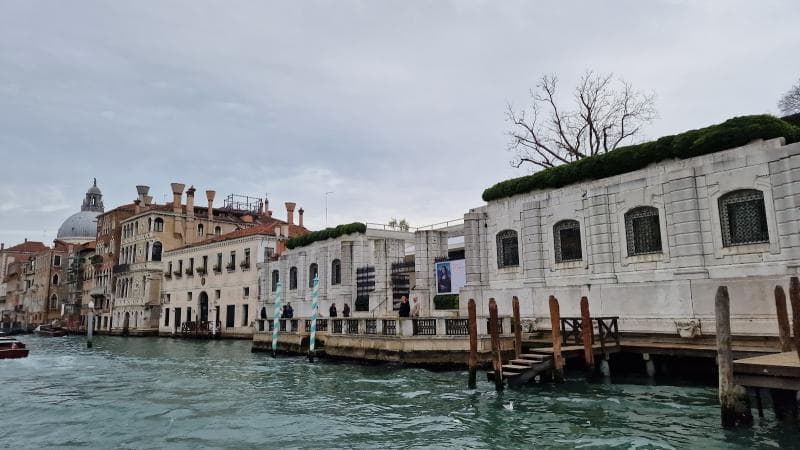
Discover the Sculpture Garden at the Peggy Guggenheim Collection in Venice, Italy, featuring modern art in a tranquil Venetian setting.
Overview
Nestled along Venice's iconic Grand Canal, the Sculpture Garden of the Peggy Guggenheim Collection offers a serene and inspiring escape. This exquisite outdoor exhibition space is an integral part of the larger Peggy Guggenheim Collection, housed within the 18th-century Palazzo Venier dei Leoni. Recognized as one of Italy's most significant museums for European and American art from the first half of the 20th century, the collection seamlessly extends its artistic narrative into the open air.
The Sculpture Garden, often referred to as the Nasher Sculpture Garden, showcases a remarkable array of modern and contemporary sculptures. It provides a unique opportunity to experience art amidst the tranquil beauty of a Venetian garden, contrasting with the often bustling canals outside. Here, visitors can admire works by influential artists, enriching their understanding of 20th-century art movements such as Cubism, Surrealism, and Abstract Expressionism, which are also prominently featured within the palace's indoor galleries.
History & Cultural Background
The story of the Sculpture Garden is deeply intertwined with Peggy Guggenheim herself and the historic Palazzo Venier dei Leoni. This 'unfinished palace,' commissioned by the Venier family in 1749 and designed by architect Lorenzo Boschetti, was originally intended to be a grander, five-story structure. However, it was never completed, leaving it with its distinctive single-story facade. Peggy Guggenheim acquired the palazzo in 1948, making it her Venetian home for three decades. She began opening her private collection to the public seasonally starting in 1951, establishing the foundation of what would become a world-renowned museum.
Following Peggy Guggenheim's passing in 1979, the palace and its extraordinary collection were entrusted to the Solomon R. Guggenheim Foundation, which opened the museum year-round in 1980. The development of the Sculpture Garden was a gradual process, benefiting from a significant partnership with the Nasher Foundation. Raymond and Patsy Nasher, renowned collectors of modern sculpture, contributed greatly to the outdoor display. The garden itself was meticulously designed by Venetian architect Giorgio Bellavitis, with additions and landscaping phases occurring in 1983, 1995, and a new section opening in 2001. Bellavitis drew inspiration from 18th-century cartographer Ludovico Ughi's aerial views of Giudecca Island for his geometric designs within the garden.
What Makes It Special
The Sculpture Garden is more than just a display space; it is an experience. What makes it truly special is its harmonious blend of art and nature within a unique Venetian context. It provides a peaceful respite from the city's lively atmosphere, often described as an oasis of calm. The garden showcases a rotating selection of works, including pieces from the permanent collection and significant loans from the Nasher Collection, which is considered one of the finest collections of modern and contemporary sculpture globally.
Visitors can encounter significant works by artists such as Jean Arp, Max Ernst, Alberto Giacometti, Henry Moore, Anthony Caro, Marino Marini, Costantino Nivola, Mimmo Paladino, and Jenny Holzer. The thoughtfully arranged sculptures interact with the natural surroundings and the historic palace, creating a contemplative environment where art can be appreciated in a different light than within traditional gallery walls. The garden's distinctiveness is further enhanced by its status as the only European venue to continuously exhibit works from the esteemed Nasher Collection.
Stories, Fun Facts & Local Details
Beyond the impressive artworks, the Sculpture Garden holds profoundly personal significance. It is the final resting place of Peggy Guggenheim herself, alongside her beloved dogs, whose graves are also located within the garden's peaceful confines. This intimate detail offers a poignant connection to the collector's life and her enduring love for her home and her companions.
The Palazzo Venier dei Leoni, despite its grand address on the Grand Canal, presents a surprisingly modest facade from the water. This deliberate simplicity, however, belies the treasures and beauty held within its walls and gardens. The garden's design features subtle yet intricate details, such as the diamond patterns on the paving, crafted from alternating brick, Chiampo marble, and green granite. These geometric elements not only add visual interest but also echo the architect's historical inspirations. The name 'Venier dei Leoni' itself is thought to derive either from the lion heads adorning the palace's facade or from a historical rumor that the Venier family once kept a lion in their garden.
Visitor Perspective
For visitors, the Sculpture Garden offers a multi-sensory experience. It's a place where the grandeur of Venetian history meets the innovation of modern art, all set within a beautifully manicured landscape. After exploring the rich indoor collections, many find solace and inspiration strolling through the garden, allowing time for reflection amidst the sculptures.
The presence of a cafe within the garden also provides a charming spot to pause, enjoy refreshments, and soak in the serene atmosphere. The strategic layout ensures that each sculpture can be viewed from various angles, encouraging a deeper engagement with the artwork and its relationship to the surrounding environment. It's a testament to Peggy Guggenheim's vision to create a space where art feels accessible, personal, and profoundly connected to its unique Venetian home.
Coordinates: 12.33139, 45.43056
View on Google Maps💬 How Travelers Describe This Place
Based on community votes
Unique
886Interesting
564Must See
443Beautiful
233Photogenic
201
Traveler Stories
Discover memorable experiences shared by travelers who have visited this place.
No traveler stories yet.
Be the first traveler to share what made this place memorable.

Tour
By
Spot
Discover amazing places around the world. Your journey starts here.
Explore
© 2026 TourBySpot. All rights reserved.