Sculpture Facade
Lviv, Ukraine
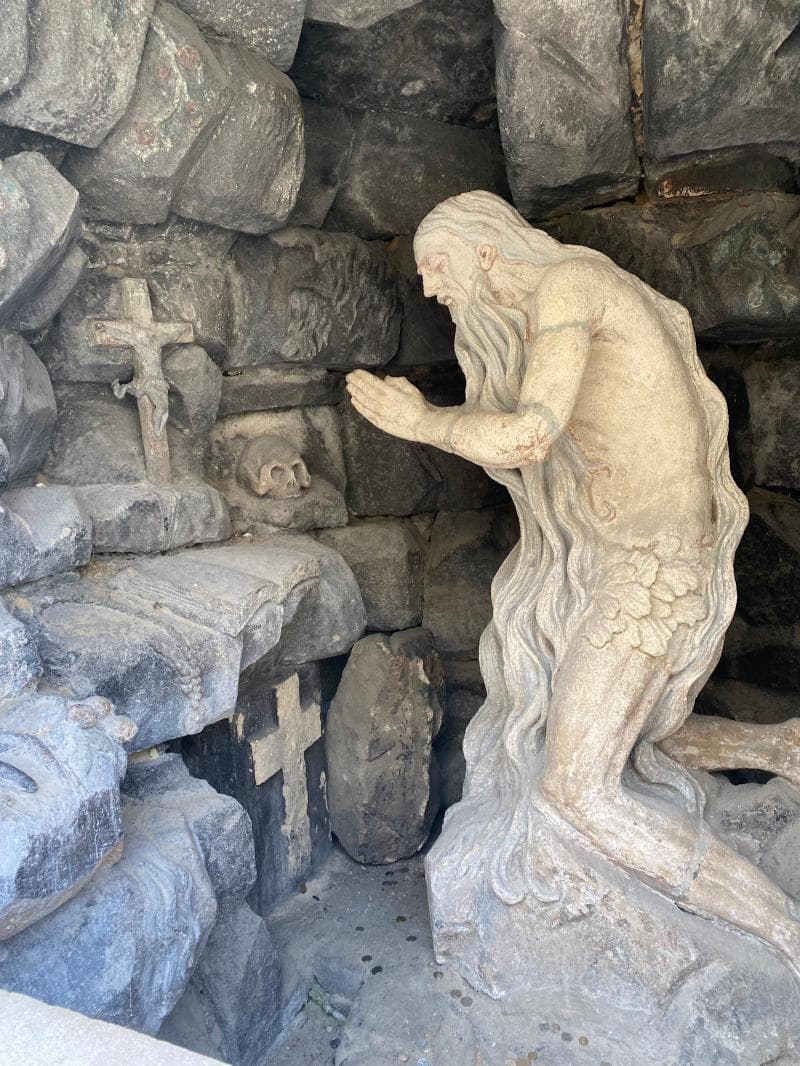
Explore the majestic Sculpture Facade of St. George's Cathedral in Lviv, Ukraine, a Baroque-Rococo masterpiece by Johann Georg Pinsel.
Overview
The Sculpture Facade of St. George's Cathedral in Lviv, Ukraine, stands as a crowning achievement of 18th-century Baroque and Rococo artistry. Perched majestically on St. George's Hill, the cathedral's exterior is an expressive tableau of dynamic sculptural work, primarily crafted by the enigmatic master Johann Georg Pinsel. This facade is not merely decorative; it is a profound visual narrative that captivates and inspires all who witness its intricate details and powerful symbolism. It forms a central part of the wider architectural ensemble, which is recognized as a UNESCO World Heritage Site, highlighting its irreplaceable cultural and historical value. The sculptures breathe life into the stone, inviting visitors into a deeper understanding of Ukrainian Greek Catholic heritage and the artistic brilliance of its creators.
History & Cultural Background
The present St. George's Cathedral, a masterpiece of Baroque and Rococo architecture, was constructed between 1744 and 1762. Its design is largely attributed to the Austrian architect Bernard Meretyn. However, the facade's emotional intensity and dramatic flair are the distinct hallmarks of the sculptor Johann Georg Pinsel, who worked on the monumental statues between 1759 and 1761. Pinsel's collaboration with Meretyn created a harmonious blend of architectural grandeur and sculptural dynamism. The cathedral's site has a rich history, with earlier churches and monasteries dating back to the 13th century, making it a place of continuous spiritual significance for centuries. The building itself became the mother church of the Ukrainian Greek Catholic Church, a testament to its enduring religious importance in the region. The facade, completed by Pinsel, remains his only work that has survived intact in its original spatial arrangement, making it an invaluable historical and artistic treasure.
What Makes It Special
What truly sets the Sculpture Facade apart is the extraordinary work of Johann Georg Pinsel. His style is characterized by a remarkable expressive dynamism and emotional depth, often described as possessing a unique, almost theatrical quality. The central and most striking element is the equestrian statue of St. George Slaying the Dragon, which boldly crowns the attic above the main entrance. This masterpiece is not only a symbol of triumph over evil but also a prime example of Pinsel's ability to infuse stone with dramatic movement and psychological intensity. Flanking the main portal are the imposing figures of Metropolitans Athanasius Sheptytsky and Lev Sheptytsky (also referred to as Saints Athanasius and Leo), whose stern gazes are said to warn against any lack of venerability. These figures are not just statues; they are guardians embodying the historical and spiritual leadership of the Ukrainian Greek Catholic Church. The delicate Rococo balustrades on the twin-flight staircase, adorned with vases and allegorical figures representing Faith and Hope, and the Churches of Rome and Greece, further enrich the facade's visual narrative, creating a welcoming yet awe-inspiring approach to the cathedral.
Stories, Fun Facts & Local Details
The facade tells a story not only of faith but also of artistic innovation. Pinsel's work, often compared to the greatest European sculptors of his time, represents a high point of Baroque sculpture in Ukraine. Legend has it that the dramatic intensity of his figures reflects the turbulent spirit of the 18th century, a period of significant change and challenge for the region. The very act of St. George slaying the dragon on the facade serves as a timeless metaphor for the perseverance of faith and nationhood in the face of adversity, a theme deeply resonant in Ukrainian history. Visitors often find themselves drawn to the dynamic composition of St. George, feeling the implied motion and struggle within the frozen stone. The statues of Metropolitans Athanasius and Lev, beyond their theological significance, also serve as historical markers, honoring key figures who shaped the church's destiny. The name Lviv itself is thought to be derived from 'Lev', linking one of the facade's sculpted figures directly to the city's identity. The entire ensemble, with its vibrant yellow facade and ornate details, creates an unforgettable impression against the Lviv skyline.
Visitor Perspective
Approaching St. George's Cathedral, the Sculpture Facade immediately commands attention, its powerful figures seemingly reaching out from the stone. The journey up St. George's Hill and the ornate staircase prepares visitors for the visual feast that awaits. One cannot help but be struck by the sheer scale and intricate detail of Pinsel's work. The sculptures evoke a sense of reverence and wonder, drawing the eye upwards towards the heroic St. George. Pausing to examine the expressions and gestures of Saints Athanasius and Leo, one gains an appreciation for the blend of spiritual gravity and artistic prowess. This experience is more than just sightseeing; it's an encounter with history, art, and deeply held faith. The facade offers a unique opportunity to connect with the rich cultural tapestry of Lviv and the enduring legacy of the Ukrainian Greek Catholic Church. It's a place where the past feels palpably present, and every chiseled detail tells a part of its profound story.
Coordinates: 24.01357, 49.83868
View on Google Maps💬 How Travelers Describe This Place
Based on community votes
Beautiful
585Unique
546Photogenic
503Interesting
92Must See
56
Traveler Stories
Discover memorable experiences shared by travelers who have visited this place.
No traveler stories yet.
Be the first traveler to share what made this place memorable.

Tour
By
Spot
Discover amazing places around the world. Your journey starts here.
Explore
© 2026 TourBySpot. All rights reserved.