Sculpture Collections
Bucharest, Romania
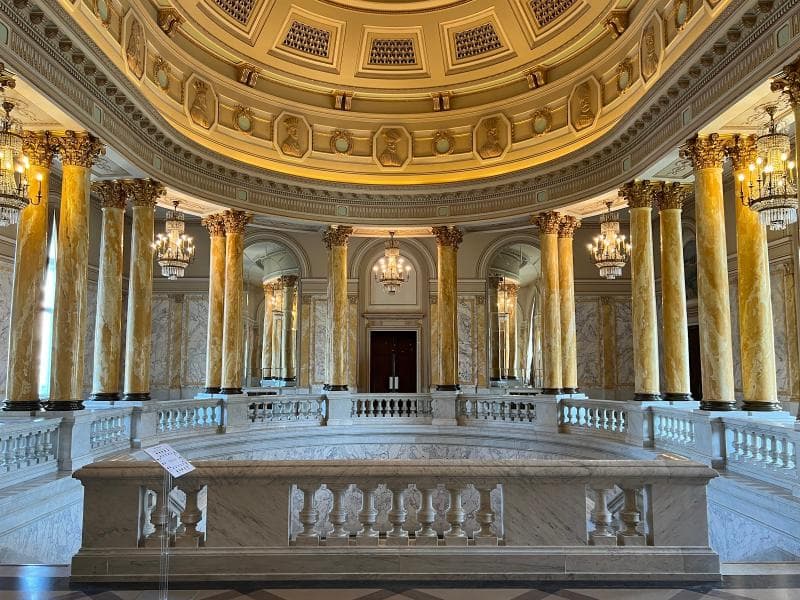
Discover the profound Sculpture Collections at the National Museum of Art of Romania in Bucharest, featuring works by Brâncuși, Rodin, and more.
Overview
Nestled within the grand Royal Palace in the heart of Bucharest, the National Museum of Art of Romania (MNAR) stands as a beacon of artistic heritage. It serves as the country's foremost repository of Romanian, European, and Oriental art, offering a comprehensive journey through various artistic periods and styles. While the museum's vast collections encompass paintings, decorative arts, and medieval treasures, its Sculpture Collections offer a particularly compelling insight into the evolution of form and expression. These collections are primarily housed within the modern Romanian art galleries, showcasing the significant contributions of Romanian sculptors, alongside a select international presence in the European Art Gallery.
Visitors to the Sculpture Collections encounter a rich tapestry of works, from the foundational figures of Romanian modern sculpture to masterpieces by globally renowned artists. The deliberate curation within the historical setting of the former Royal Palace provides a unique backdrop, inviting contemplation of the art in context with Romania's intricate past.
History & Cultural Background
The National Museum of Art of Romania was officially established in 1948, taking over the magnificent Royal Palace as its permanent home. This historical building itself carries immense cultural weight, having witnessed pivotal moments in Romanian history. Its walls still bear faint traces, such as bullet holes, from the tumultuous 1989 Romanian Revolution, a poignant reminder of the nation's struggle for change. The museum's collections were initially formed from existing local private and public collections, notably including the significant royal collection assembled by King Carol I.
A notable aspect of the museum's history, particularly relevant to its broader art holdings, is the preservation of medieval art pieces. Many of these works were salvaged from monasteries that faced destruction during the Ceaușescu era, underscoring the museum's role as a guardian of national cultural identity in challenging times. This blend of royal patronage, national upheaval, and dedicated preservation forms the deep cultural bedrock upon which the sculpture collections rest.
What Makes It Special
The Sculpture Collections at the National Museum of Art of Romania are distinguished by their exceptional representation of Romanian modern sculpture and the inclusion of iconic international works. The highlight is undoubtedly the presence of early works by Constantin Brâncuși, one of the 20th century's most influential sculptors. Here, visitors can trace the fascinating evolution of Brâncuși's style, moving from academic realism towards the abstract, organic forms that defined his groundbreaking artistic philosophy. Key pieces like 'The Prayer' and 'Torso of a Young Man' illustrate his transition towards simplicity and essential forms, distilling the human figure into its pure essence.
Beyond Brâncuși, the collection proudly features works by other seminal Romanian sculptors such as Dimitrie Paciurea and Karl Storck, who played crucial roles in shaping the country's artistic landscape. Additionally, sculptors like Ioan Georgescu, Frederic Storck, George Demetrescu Mirea, Oscar Späthe, and Ștefan Ionescu-Valbudea are represented, offering a comprehensive view of Romanian sculptural talent. In the European Art Gallery, the international dimension is enhanced by the display of renowned sculptures, including Auguste Rodin's evocative 'The Kiss' and 'The Age of Bronze', as well as Antoine Bourdelle's powerful 'Hercules of Archery'. This unique juxtaposition of national and international masterpieces allows for a rich dialogue between diverse artistic traditions within a single cultural institution.
Stories, Fun Facts & Local Details
For those enchanted by the legacy of Constantin Brâncuși, a visit to the MNAR's sculpture collections offers a special connection to his beginnings. In Romania, Brâncuși's immense contribution to modern art is celebrated annually on February 19th as 'Brâncuși Day'. The museum often participates in these celebrations, offering special programs and guided tours focused on his work, providing a deeper appreciation for his artistic journey.
The museum's location within the former Royal Palace is not just a geographical detail but a living piece of history. Imagine the grand events and political shifts that unfolded within these very walls, now transformed into a sanctuary for art. The visible bullet holes from the 1989 Revolution serve as a stark, yet compelling, testament to the resilience of both the nation and its cultural institutions. This rich historical context imbues the artistic experience with an added layer of meaning, reminding visitors of the cultural narratives embedded in each piece of art. The museum, by housing these collections, plays a vital role in preserving and promoting Romania's profound artistic heritage for future generations.
Visitor Perspective
Exploring the Sculpture Collections at the National Museum of Art of Romania is an enriching experience that requires a dedicated approach. The museum is conveniently located on Calea Victoriei, a prominent avenue in Bucharest, making it easily accessible for travelers. To fully appreciate the depth and breadth of the art, particularly the nuances of the sculptural works and their historical context, it is recommended to allocate at least two to three hours for your visit.
The museum's thoughtful division into the Romanian National Art Gallery and the European Art Gallery encourages visitors to delve into both national and international artistic expressions. This dual perspective is key to understanding not only the individual works but also the interplay of influences and the distinctive character of Romanian art within a global context. The experience is not about grandiosity, but rather a quiet unfolding of artistic narratives, allowing the artworks themselves to 'breathe' and engage the viewer in a personal journey of discovery.
Coordinates: 26.0975, 44.4384
View on Google Maps💬 How Travelers Describe This Place
Based on community votes
Beautiful
872Must See
846Unique
684Interesting
363Photogenic
250
Traveler Stories
Discover memorable experiences shared by travelers who have visited this place.
No traveler stories yet.
Be the first traveler to share what made this place memorable.

Tour
By
Spot
Discover amazing places around the world. Your journey starts here.
Explore
© 2026 TourBySpot. All rights reserved.