Scenic Lookouts
Lucerne, Switzerland
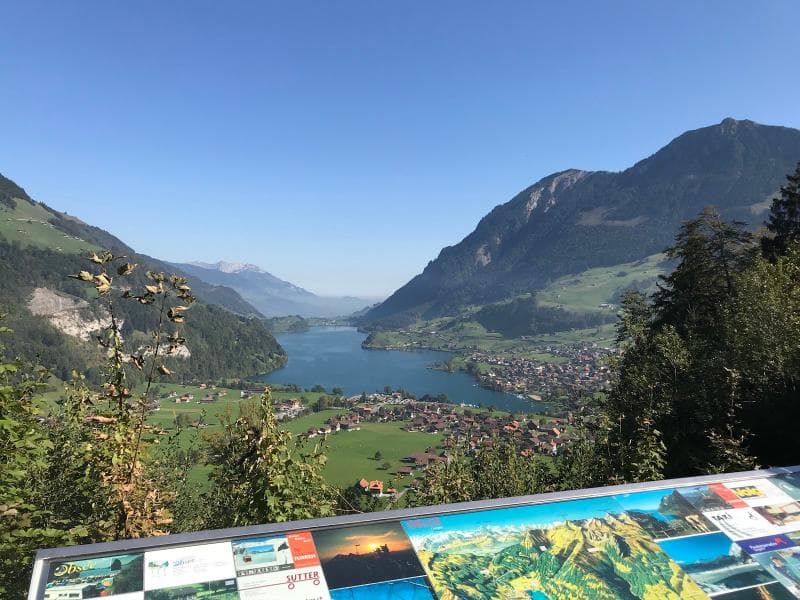
Discover Lucerne, Switzerland's stunning scenic lookouts around Lake Lucerne, from Mount Rigi and Pilatus to historic city walls, offering breathtaking alpine panoramas.
Overview
Nestled in the heart of Switzerland, Lake Lucerne is renowned for its dramatic fjord-like landscapes and the majestic mountains that embrace its shores. The region is a treasure trove of scenic lookouts, offering breathtaking panoramic vistas of shimmering waters, picturesque towns, and the snow-capped peaks of the Swiss Alps. These viewpoints range from accessible city perches to lofty mountain summits, each providing a unique perspective on this iconic Swiss destination. The interplay of water and mountains creates a dynamic and ever-changing canvas, captivating visitors with its natural splendor.
History & Cultural Background
The scenic lookouts around Lake Lucerne are steeped in a rich tapestry of history and culture, intertwined with the very foundation of Switzerland. Lake Lucerne itself holds profound historical significance, as legend suggests the Rütli Oath, marking the birth of the Old Swiss Confederacy in 1291, took place on its shores. This strategic location facilitated trade and transportation throughout centuries, contributing to the region's development. The mountains towering over the lake, such as Mount Rigi and Mount Pilatus, played a pivotal role in the early days of Alpine tourism. In the 19th century, historic mountain railways, like Europe's oldest on Mount Rigi (dating back to 1871) and the world's steepest cogwheel railway on Mount Pilatus, made these once-remote peaks accessible, ushering in a new era of travel and appreciation for their natural beauty. Artists, writers, and even royalty, such as Queen Victoria and Johann Wolfgang von Goethe, found inspiration in these landscapes, with Goethe reportedly enchanted by the Rigi's panorama.
What Makes It Special
What sets the scenic lookouts of Lake Lucerne apart is the sheer diversity and grandeur of their perspectives. From the 'Queen of the Mountains,' Mount Rigi, visitors are treated to unparalleled 360-degree views encompassing 13 lakes and a sea of over 600 Alpine peaks. The journey to Rigi's summit, often combining a boat trip across the lake with a ride on its historic cogwheel railway, is an experience in itself. Mount Pilatus, often called the 'Dragon Mountain,' offers another dramatic panorama, accessible via the world's steepest cogwheel railway or a series of gondolas and cable cars. Its jagged peaks provide a humbling alpine experience with expansive views of Lake Lucerne and the surrounding ranges. Perched 500 meters above the lake, the Bürgenstock offers a luxurious vantage point, famous for its cliff path and the Hammetschwand Lift, Europe's highest outdoor elevator, providing magnificent vistas of Rigi, Pilatus, and the Stanserhorn. Closer to Lucerne city, the medieval Musegg Wall, with its accessible towers, provides a historical perspective over the city's red rooftops, the lake, and distant mountains. Dreilinden Park offers a serene spot with a bench touted as having one of the most beautiful views, perfect for quiet contemplation.
Stories, Fun Facts & Local Details
The mountains surrounding Lake Lucerne are rich with fascinating tales. Mount Pilatus, for instance, is shrouded in myth and legend. One popular belief suggests it is the burial place of Pontius Pilate, while others tell of dragons inhabiting its caves, giving it the nickname 'Dragon Mountain'. These ancient superstitions once led locals to fear the mountain, attributing its frequent storms to malevolent spirits. The Bürgenstock has its own stories, having served as a glamorous retreat for celebrities and statesmen. Audrey Hepburn was married in its chapel and lived nearby, with Sophia Loren also being a long-term resident. The resort was even a filming location for a James Bond movie. Mount Rigi's significance to early tourism is highlighted by the Rigi-Bahn Museum in Vitznau, showcasing the evolution of mountain rail travel. The Musegg Wall, a medieval city fortification, once guarded Lucerne and its clock tower (Zytturm) holds the privilege of ringing one minute before all other city clocks, a tradition dating back centuries.
Visitor Perspective
For the curious traveler, exploring the scenic lookouts of Lake Lucerne is an immersive journey into Swiss natural beauty and heritage. The various vantage points offer more than just photographs; they provide moments of reflection and awe. Imagine watching a sunrise from Rigi Kulm, where the first light paints the 13 surrounding lakes and countless peaks in a warm glow. Or standing on the Bürgenstock's cliff path, feeling as though you're floating above the turquoise waters of the lake. The historical mountains and city walls allow visitors to connect with the past, envisioning pilgrims, early tourists, or medieval guards witnessing the same vistas. Whether accessed by historic cogwheel trains, panoramic cable cars, or simply a leisurely stroll through a park, these lookouts invite a profound appreciation for the landscape. They offer a chance to escape the everyday, breathe the crisp alpine air, and experience the 'soul' of Switzerland from an elevated perspective, leaving an indelible mark on the memory.
Coordinates: 8.4014, 46.9926
View on Google Maps💬 How Travelers Describe This Place
Based on community votes
Must See
910Unique
658Interesting
589Beautiful
374Photogenic
90
Traveler Stories
Discover memorable experiences shared by travelers who have visited this place.
No traveler stories yet.
Be the first traveler to share what made this place memorable.

Tour
By
Spot
Discover amazing places around the world. Your journey starts here.
Explore
© 2026 TourBySpot. All rights reserved.