Rynok Square Fountain
Lviv, Ukraine
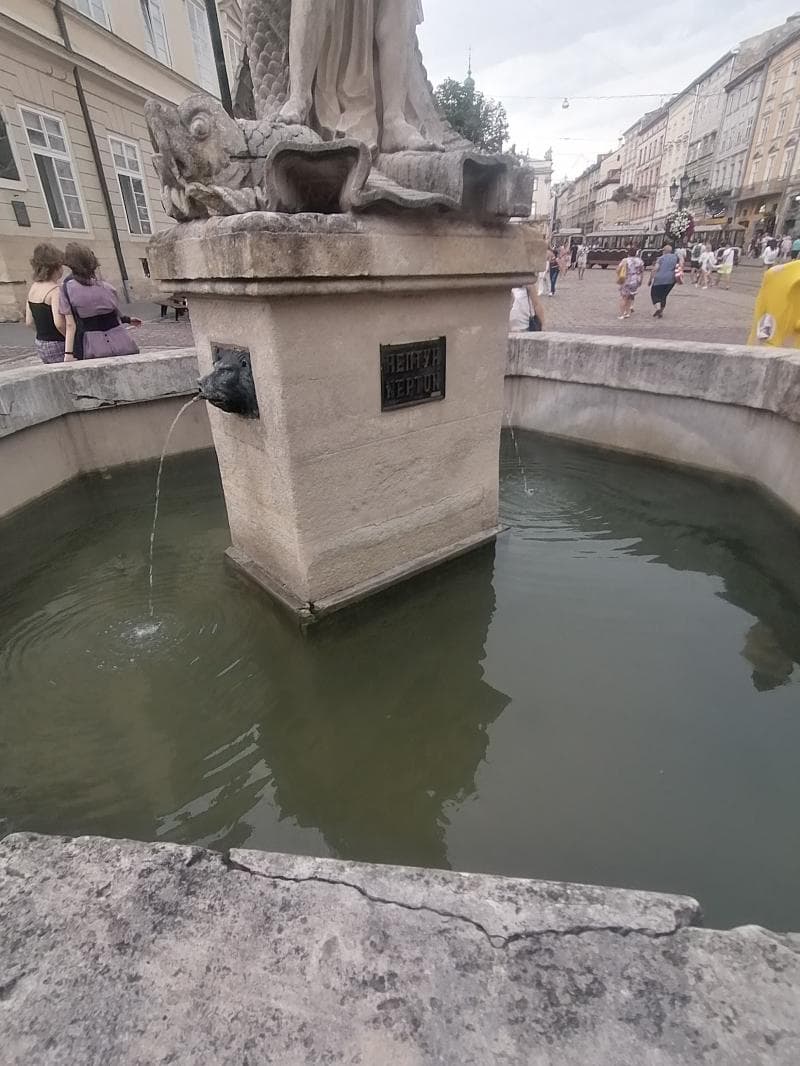
Discover the Rynok Square Fountains in Lviv, Ukraine, featuring classical statues of Neptune, Diana, Amphitrite, and Adonis in the UNESCO-listed Old Town.
Overview
In the heart of Lviv, Ukraine, within the UNESCO World Heritage-listed Old Town, lies the historic Rynok Square, a place steeped in centuries of history and vibrant city life. At each of its four corners, visitors are greeted by the charming Rynok Square Fountains. These aren't merely decorative water features; they are guardians of history, each adorned with a classical statue depicting figures from Greek mythology: Neptune, the god of the sea; his consort, Amphitrite; Diana, the goddess of the hunt; and Adonis, the god of beauty and desire. These fountains serve as beloved landmarks, silently observing the ebb and flow of daily life and the countless stories that have unfolded in Lviv's central marketplace for generations.
The square itself is a bustling hub, a rectangle measuring approximately 142 by 129 meters, framed by 44 historic townhouses that showcase a blend of architectural styles from Gothic to Modernist. The fountains, with their neo-classical sculptures, are an integral part of this grand architectural ensemble, offering a glimpse into the city's rich past and its enduring connection to classical art and utility.
History & Cultural Background
The origins of the Rynok Square Fountains trace back to the early 19th century, with various sources pinpointing their construction between 1793 and 1814. These four fountains were erected on the sites of much older wells that had supplied Lviv with vital water for centuries, some dating as far back as 1407. These earlier water points were essential for daily life, providing drinking water and even serving as resources for fighting fires.
Before the current classical statues, some of these wells were even adorned with simpler wooden figures of Neptune, indicating a long-standing tradition of marking these important water sources. The renowned Lviv architect and sculptor of Austrian origin, Hartman Witwer (also spelled Vitver), is widely credited with designing the neo-classical sculptures that grace the fountains today. His work transformed functional wells into artistic monuments, blending practicality with the prevailing aesthetic tastes of the era. The presence of these fountains underscores Rynok Square's enduring role as the city's social, economic, and administrative heart since the Middle Ages.
What Makes It Special
What truly sets the Rynok Square Fountains apart is their elegant fusion of classical mythology within a vibrant Ukrainian urban landscape. Each of the four fountains features an octagonal stone basin from which the water flows, crowned by its distinctive statue. These sculptures are not merely generic figures; they are detailed representations of their mythological counterparts, adding layers of meaning and storytelling to the square.
Neptune, god of the sea, is depicted with a dolphin at his feet, while his wife, Amphitrite, goddess of the seas, also shares her pedestal with a dolphin. Diana, the agile goddess of the hunt, is recognizable by the two dogs accompanying her. Adonis, a figure associated with the cyclical themes of death and rebirth in nature, is portrayed with a dog and the boar he famously hunted. This thoughtful selection and artistic execution by Hartman Witwer elevate the fountains beyond simple water sources, making them significant artistic and historical focal points within the UNESCO-listed historic center of Lviv. They represent a cultural bridge, bringing ancient tales to life in a bustling European marketplace.
Stories, Fun Facts & Local Details
The Rynok Square Fountains are more than just stone and water; they are woven into the fabric of Lviv's folklore and daily life. In the mid-20th century, a common sight was market vendors drawing water from the fountain basins to wash their produce or keep fruits and vegetables fresh, highlighting their practical utility through the ages. Today, the Neptune fountain, in particular, has cemented its role as a favorite, unofficial meeting point for locals and visitors alike.
A delightful local tradition sees residents occasionally dress the statues in traditional Ukrainian embroidered shirts, known as vyshyvankas, during national holidays, adding a unique touch of local identity and festivity to the classical figures. The fountains have also witnessed historical curiosities, such as reports during World War I of Russian Cossacks watering their horses directly from the basins. Even the statues themselves have inspired local culture; the fountain of Diana, for instance, lent its name to a popular cafe in central Lviv. Furthermore, the fountains were once at the center of a historical controversy, when the Lviv magistrate, concerned about potential damage to the newly installed sculptures, attempted to ban the traditional Ukrainian Jordan water blessing ceremony from taking place in the square.
Visitor Perspective
For any traveler exploring Lviv Old Town, the Rynok Square Fountains offer an immediate connection to the city's enduring spirit. As you wander through the cobblestone square, these four distinct landmarks provide both orientation and an invitation to pause and reflect. They are perfectly positioned for contemplation, surrounded by the stunning architecture of the city hall and the colorful facades of the historical townhouses.
Observing the intricate details of each mythological figure—Neptune's dolphin, Diana's hunting dogs, Amphitrite's aquatic companion, and Adonis with his loyal dog and boar—provides a quiet moment of appreciation for the artistry and classical influences that shaped Lviv. These fountains are not just static monuments; they are dynamic elements of the square's atmosphere, providing a gentle hum of flowing water that complements the lively chatter of cafes and the footsteps of passersby. They are an essential part of the Lviv experience, offering both picturesque backdrops for photographs and a tangible link to the city's layered past.
Coordinates: 24.031667, 49.841667
View on Google Maps💬 How Travelers Describe This Place
Based on community votes
Unique
946Beautiful
439Interesting
92Must See
66Photogenic
66
Traveler Stories
Discover memorable experiences shared by travelers who have visited this place.
No traveler stories yet.
Be the first traveler to share what made this place memorable.

Tour
By
Spot
Discover amazing places around the world. Your journey starts here.
Explore
© 2026 TourBySpot. All rights reserved.