Royal Train Carriages
Brussels, Belgium
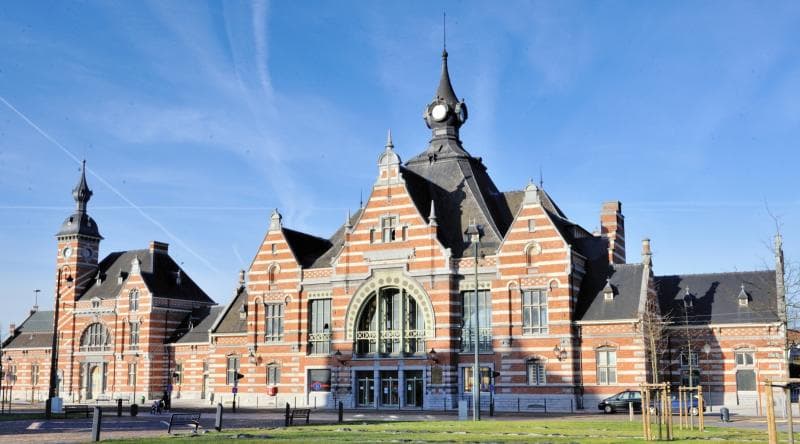
Explore the Royal Train Carriages at Train World in Brussels, Belgium. Discover opulent historical trains and the fascinating connection between Belgian royalty and pioneering rail travel.
Overview
Deep within Train World, Belgium's captivating national railway museum in Brussels, lies a collection of Royal Train Carriages that offer a unique journey into the nation's regal past. These opulent vehicles are more than just modes of transport; they are rolling palaces that once conveyed Belgian monarchs and esteemed guests across the country and beyond. As a central highlight of Train World, these carriages allow visitors to step aboard a tangible piece of history, revealing the intimate connection between the Belgian monarchy and the pioneering age of rail travel.
Housed in the beautifully restored Schaerbeek railway station and a modern exhibition hall, Train World itself opened its doors in September 2015, showcasing over 180 years of Belgian rail heritage. The Royal Train Carriages stand out as a testament to luxury, innovation, and the significant role railways played in the development of Belgium as a modern state.
History & Cultural Background
The story of Belgium's railways is intertwined with its monarchy from the very beginning. Belgium was a true pioneer in continental European rail transport. On May 5, 1835, the first steam passenger railway on the continent opened, connecting Brussels and Mechelen. King Leopold I, the country's first monarch, made history by becoming the first head of state in the world to travel by train.
This early adoption and royal endorsement set the tone for a long-standing relationship. The Belgian royal family consistently supported the development of the national railway network, recognizing its importance for economic growth and national unity throughout the 19th and 20th centuries. Over generations, dedicated royal trains were commissioned, each reflecting the prevailing design, technology, and luxury of its era. Carriages that served monarchs such as King Leopold II, King Albert I, King Leopold III, and King Baudouin are among those historically preserved, offering a direct link to their reigns and the era of their use.
What Makes It Special
The Royal Train Carriages are special because they encapsulate a blend of engineering prowess, artisanal craftsmanship, and historical significance. They are exquisite examples of mobile luxury, providing a rare glimpse into the private world of royalty. Each carriage, with its meticulously preserved interiors, evokes the grandeur and elegance of a bygone era, featuring plush seating, intricate woodwork, and fine detailing that signify their prestigious occupants.
Unlike standard passenger cars, these were bespoke creations, designed to provide comfort, privacy, and facilities befitting a monarch. Many of these coaches were rarely seen by the public during their active service, making their display at Train World a unique opportunity for visitors to explore their interiors and appreciate their historical authenticity. They offer a tangible connection to the royal journeys that shaped national and international diplomacy.
Stories, Fun Facts & Local Details
The early Belgian railway system, championed by King Leopold I, was innovative and rapid in its expansion, distinguishing Belgium as the first state in Europe to create and nationalize a railway system. Leopold I's enthusiasm was so great that he signed the law for the creation of Belgian railways in 1834, just four years after Belgium's independence. This royal patronage helped accelerate the railway's development, fostering an industrial revolution in the country.
These royal carriages weren't just for the Belgian monarchs; they also hosted foreign dignitaries and royalty on state visits, adding another layer to their historical narratives. For instance, related exhibitions have featured items like tea and dinner sets belonging to King Albert I and King Leopold III, as well as Queen Astrid's traveling wardrobe, painting a vivid picture of the sophisticated life onboard. While dedicated royal train carriages were a staple for previous monarchs, it's a fascinating contrast to note that modern Belgian monarchs, such as King Albert II and King Philippe I, now typically use specially prepared standard train cars for official travel, adorned with the royal coat of arms for the occasion. This highlights the evolution of royal transport from custom-built luxury to a more understated, yet still distinguished, approach.
Visitor Perspective
Stepping into the Royal Train Carriages at Train World is often described as a highlight of the museum experience. Visitors are transported back in time, imagining the journeys and conversations that took place within these very walls. The immersive presentation, combined with the sheer historical weight of the exhibits, makes for a profoundly engaging visit. Many appreciate the chance to physically enter some of these century-old carriages, gaining a unique perspective on the luxurious travel of Europe's royalty.
The display effectively connects the past with the present, allowing curious travelers of all ages to appreciate the engineering marvels and cultural significance of these historic vehicles. It's an experience that enriches understanding of Belgian history, its industrial heritage, and the enduring legacy of its monarchy's connection to the railways.
Coordinates: 4.37944, 50.87806
View on Google Maps💬 How Travelers Describe This Place
Based on community votes
Interesting
869Must See
445Beautiful
416Photogenic
309Unique
33
Traveler Stories
Discover memorable experiences shared by travelers who have visited this place.
No traveler stories yet.
Be the first traveler to share what made this place memorable.

Tour
By
Spot
Discover amazing places around the world. Your journey starts here.
Explore
© 2026 TourBySpot. All rights reserved.