Royal Throne Hall
Bucharest, Romania
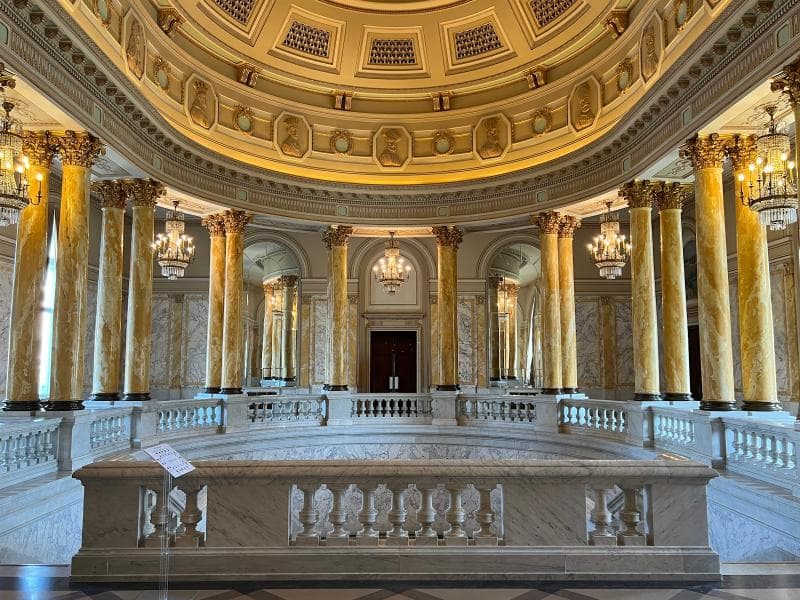
Explore Bucharest's Royal Throne Hall in the National Museum of Art of Romania. Discover its royal history, cultural significance, and fascinating evolution from monarchy to present day.
Overview
Step into the grandeur of Romania's past by visiting the Royal Throne Hall, a pivotal historical space located within the National Museum of Art of Romania in Bucharest. Housed in the magnificent former Royal Palace, this hall is more than just a room; it is a tangible connection to the country's monarchical era and the dramatic shifts in its history. The Royal Throne Hall offers a unique opportunity to witness the setting where Romanian kings once presided over significant state affairs and ceremonies. Today, alongside the Royal Dining Room and the Voivodes' Stairs, it forms a crucial part of the historical spaces accessible to the public within the museum.
History & Cultural Background
The story of the Royal Throne Hall is deeply intertwined with the history of the Royal Palace itself. The current edifice, largely completed in 1937, replaced earlier structures that had served as the seat of Romanian royalty. An earlier version of the palace saw the French architect Paul Gottereau contribute to a wing that included a Throne Hall. This palace, and specifically the Throne Hall, was the stage for pivotal moments in modern Romanian history, such as King Mihai I's crucial announcement during World War II that shifted Romania's allegiance. For centuries, the Throne Hall was designed to embody royal authority, where coronations, royal weddings, and the reception of foreign dignitaries would take place.
However, its fate changed dramatically with the abolition of the monarchy in 1947 and the establishment of the communist regime. The Throne Hall was stripped of its monarchical symbols and renamed 'Sala Consiliului de Stat' (The Hall of the State's Council), serving as a venue for political events under leaders like Nicolae Ceaușescu. The palace endured severe damage during the Romanian Revolution of 1989. Post-revolution, extensive restoration efforts were undertaken, particularly in 2013, to bring these significant historical spaces, including the Throne Hall, back to their former glory and make them accessible to visitors.
What Makes It Special
The Royal Throne Hall stands out as a powerful symbol of Romania's monarchical heritage, offering a rare glimpse into the opulent world of its kings and queens. What makes it particularly special is its ability to transport visitors back in time, allowing them to imagine the grand ceremonies and weighty decisions that once unfolded within its walls. The hall, complete with its original elements like the dais and canopy, was meticulously designed to convey the sacred and absolute nature of royal power, suggesting a divine origin for the monarch's authority. Its careful restoration after decades of neglect and transformation under communism means that visitors today can appreciate the architectural details and the symbolic weight that once defined it. It's a place where history feels alive, where every corner whispers tales of past glories and profound political changes.
Stories, Fun Facts & Local Details
The Royal Throne Hall holds a fascinating dual history. During the communist era, the very symbols that defined its purpose – the throne armchair, the royal coat of arms – were systematically removed to erase the memory of the monarchy. In a curious turn of events following the 1989 revolution, the hall has been repurposed in ways that might surprise former royalty. It has reportedly been used for events 'incongruent with its inherent function,' such as wedding receptions, corporate gatherings, and even as a dining hall for government events, highlighting its adaptability and the changing cultural landscape. Visitors can often view vintage photographs within the hall, offering a poignant look into the lives of the royal family who once graced this space. Beyond the Throne Hall itself, the former Royal Palace now houses the extensive collections of the National Museum of Art of Romania, showcasing a rich array of Romanian and European art.
Visitor Perspective
Visiting the Royal Throne Hall offers a truly immersive historical experience for any traveler in Bucharest. Located conveniently at Calea Victoriei 49-53, it is easily accessible in the heart of the city. While the National Museum of Art of Romania's art galleries can be explored, special attention should be given to the historical spaces, including the Throne Hall. Access to these areas may require a separate ticket or be part of a combined museum ticket. The museum frequently offers both individual and guided tours of these significant rooms, providing deeper insights into their history and importance. For those with an interest in Romanian history, art, and architecture, a visit to the Royal Throne Hall is an essential and rewarding part of their Bucharest itinerary, providing a tangible link to the country's royal heritage and its enduring cultural narrative.
Coordinates: 26.090947177255284, 44.43355546667185
View on Google Maps💬 How Travelers Describe This Place
Based on community votes
Interesting
886Photogenic
564Beautiful
443Must See
310Unique
233
Traveler Stories
Discover memorable experiences shared by travelers who have visited this place.
No traveler stories yet.
Be the first traveler to share what made this place memorable.

Tour
By
Spot
Discover amazing places around the world. Your journey starts here.
Explore
© 2026 TourBySpot. All rights reserved.