Royal Relics
Vientiane, Laos
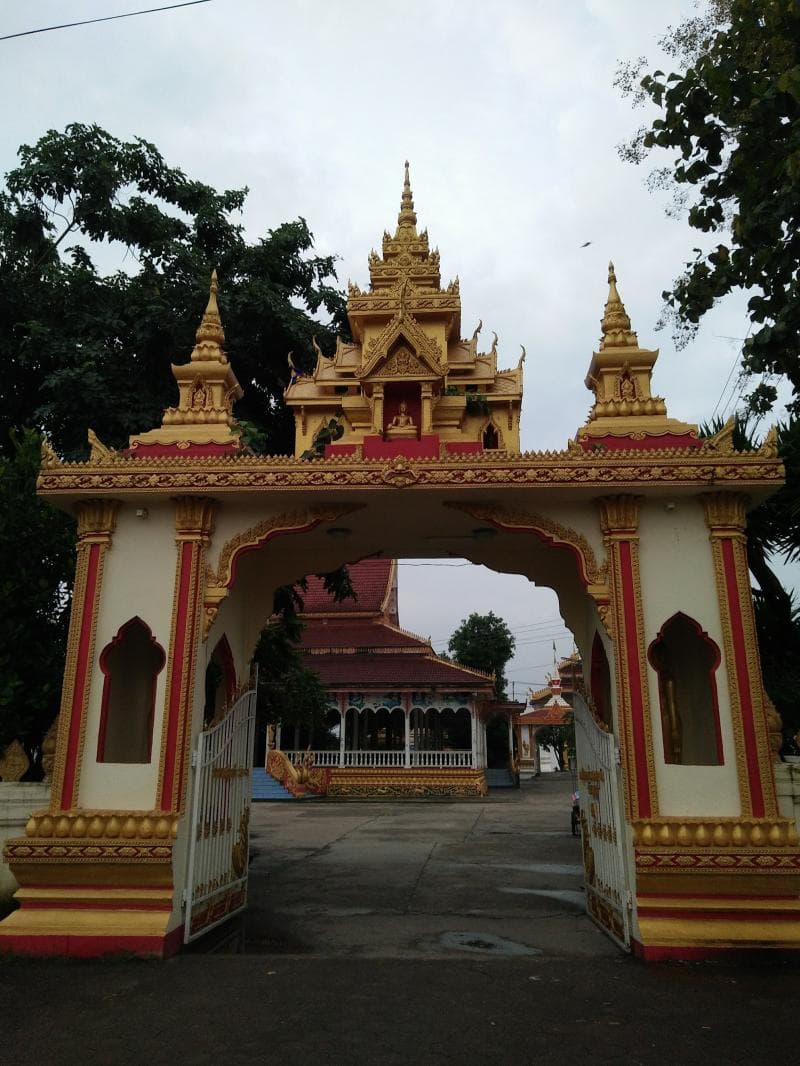
Explore the Royal Relics at Wat Ho Phra Keo in Vientiane, Laos, a former royal temple turned museum showcasing ancient Buddhist art and cultural treasures.
Overview
Stepping into Wat Ho Phra Keo, now officially known as Hor Phra Keo Museum, in Vientiane, Laos, is like walking through a portal to the heart of Lao history and spiritual heritage. Once a revered royal temple and the personal chapel of King Setthathirath, this magnificent structure no longer serves as a place of worship but stands as a proud museum, safeguarding a remarkable collection of artistic and cultural treasures. Its stately presence, with intricate carvings and serene gardens, invites visitors to delve into the rich tapestry of a bygone era.
While the legendary Emerald Buddha, for which the temple was originally built, resides elsewhere today, the spirit of its former glory lives on through the extensive displays of sacred artifacts. Here, the phrase 'Royal Relics' truly encapsulates the essence of what is preserved: objects that once graced royal chambers and temples, imbued with centuries of devotion and craftsmanship. This collection offers a profound glimpse into the artistic sophistication and historical depth of Lao civilization, making it an essential destination for anyone seeking to understand the country's cultural identity.
History & Cultural Background
Wat Ho Phra Keo's story begins in 1565, commissioned by King Setthathirath. Its primary purpose was to house the highly sacred Emerald Buddha, which the King had brought from Chiang Mai after moving the capital to Vientiane. For over two centuries, this 'Temple of the Emerald Buddha' (Wat Phra Keo) was the spiritual heart of the Lan Xang Kingdom, serving as the royal chapel and a symbol of national pride.
However, its history is also marked by cycles of destruction and rebuilding. In 1779, during the Siamese invasion, the Emerald Buddha was taken to Bangkok, where it remains to this day. The temple suffered severe damage during this period and again in an 1828 conflict with Siam. The structure visitors see today is largely a reconstruction, meticulously carried out by the French colonial administration between 1936 and 1942, reflecting a traditional Lao-Thai architectural style. In the 1970s, it transitioned from a religious site to a museum, dedicated to preserving and exhibiting Laos' religious art and cultural heritage.
What Makes It Special
What sets Wat Ho Phra Keo apart is its dual identity as both a historical temple and a repository of some of Laos' most significant cultural artifacts. It is no longer an active place of worship, which allows for a focused appreciation of its contents as museum pieces. The collection comprises an impressive array of Buddhist sculptures and historical items, offering a comprehensive narrative of Lao artistry and belief systems.
Visitors can admire numerous Buddha statues crafted from bronze, wood, stone, and even gold, each reflecting different artistic periods and religious ideologies. Beyond the statues, the museum showcases intricately carved wooden doors, lacquered thrones that once belonged to royalty, ancient stone tablets inscribed with scriptures, palm-leaf manuscripts, and Khmer-influenced sculptures. The building itself is a masterpiece, adorned with elegant multi-tiered roofs, detailed naga (serpent) motifs, and beautifully decorated verandas, all set within meticulously maintained gardens that provide a tranquil escape.
Stories, Fun Facts & Local Details
One poignant detail about Wat Ho Phra Keo is its name change. Originally 'Wat Phra Keo' (Temple of the Emerald Buddha), it is now often referred to as 'Ho Phra Keo' (Altar of the Emerald Buddha) because only the altar remains, a silent testament to the statue's absence. This subtle shift in naming reflects the enduring memory and significance of the Emerald Buddha to the Lao people, despite its current location in Thailand. The temple's gardens are not just for beauty; they often feature ancient stone pots and carvings on petrified tree trunks, adding to the unique historical ambiance.
Another interesting fact is that, unlike many other temples in Laos, Wat Ho Phra Keo never housed resident monks during its time as a royal chapel, as it was King Setthathirath's personal place of worship. The architectural details, such as dragons running the length of the stairways, heads guarding the entrance, are not merely decorative but embody ancient beliefs about protection and sacred spaces. Even without the Emerald Buddha, the structure itself, particularly its 16th-century lacquered door with Hindu carvings, is a relic, embodying centuries of artistic evolution and cultural exchange.
Visitor Perspective
A visit to Wat Ho Phra Keo offers a journey through time, encouraging a contemplative and appreciative approach. The serene environment, with its well-groomed gardens and shaded pathways, provides a peaceful respite from the bustling city. Travelers are encouraged to take their time, allowing the historical weight and artistic beauty of each artifact to resonate. Imagine the whispers of ancient kings and the devout prayers offered within these walls centuries ago, even as you view the exhibits today. The museum's calm atmosphere and the sheer volume of intricate details invite close inspection, whether it's the expressions on ancient Buddha statues or the delicate carvings on wooden panels. While photos are often not allowed inside the main exhibition hall to preserve the artifacts and the quiet atmosphere, the exterior and gardens offer many opportunities to capture the beauty of the architecture. It's a place to linger, absorb, and truly connect with the spiritual and artistic heart of Laos.
Coordinates: 102.61167, 17.96139
View on Google Maps💬 How Travelers Describe This Place
Based on community votes
Beautiful
722Must See
698Photogenic
595Interesting
358Unique
19
Traveler Stories
Discover memorable experiences shared by travelers who have visited this place.
No traveler stories yet.
Be the first traveler to share what made this place memorable.

Tour
By
Spot
Discover amazing places around the world. Your journey starts here.
Explore
© 2026 TourBySpot. All rights reserved.