Royal Museum Of The Armed Forces
Brussels, Belgium
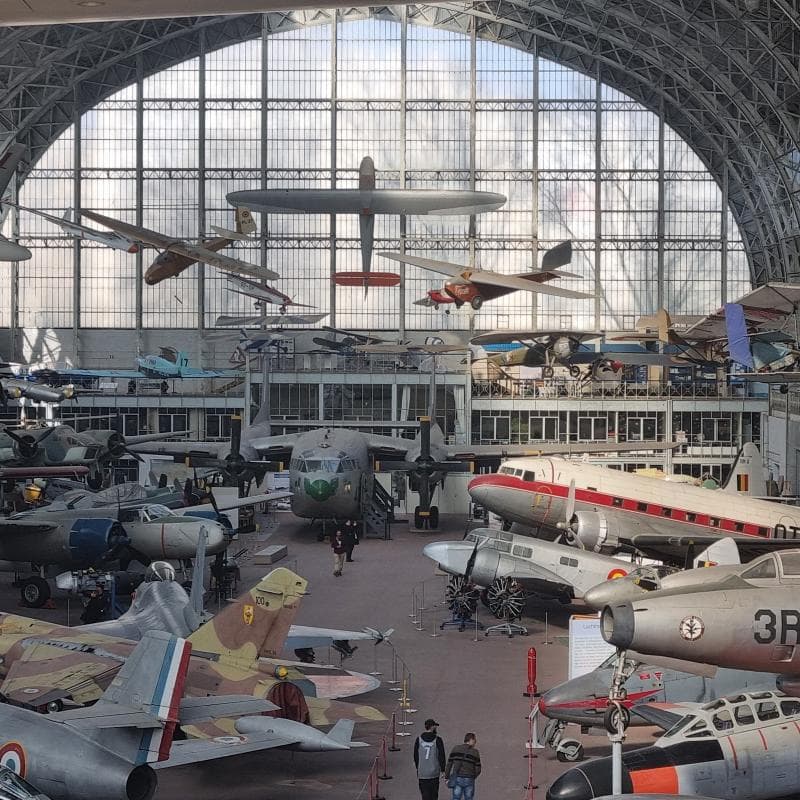
Explore centuries of military history at the Royal Museum of the Armed Forces in Brussels, Belgium, located in the iconic Parc du Cinquantenaire.
Overview
Nestled within the magnificent Parc du Cinquantenaire in Brussels, Belgium, the Royal Museum of the Armed Forces stands as a colossal guardian of military history. This impressive institution, also known as the Royal Military Museum, occupies two northern halls of the historic complex, offering visitors an unparalleled journey through over ten centuries of military heritage. Spanning approximately 40,000 square meters, it is recognized as one of the world's largest and most significant military museums, presenting a diverse collection that captivates a broad audience. From medieval armor to modern aircraft, the museum provides a comprehensive and immersive look into conflicts and their impact on society, both nationally and internationally.
History & Cultural Background
The origins of the Royal Museum of the Armed Forces trace back to the successful military history section presented at the Brussels exhibition of 1910. This public enthusiasm prompted the authorities to establish a permanent military museum. Created by royal decree in 1911, the institution initially resided at the Abbaye de la Cambre before moving to its current distinguished home in Parc du Cinquantenaire in 1923. The museum was officially inaugurated by King Albert I on July 22, 1923. The Cinquantenaire complex itself was built to commemorate the 50th anniversary of Belgian independence in 1880, providing a grand and fitting backdrop for such a historically rich collection. Today, the museum operates under the War Heritage Institute, which is dedicated to promoting Belgium's military heritage and preserving the remembrance of armed conflicts.
What Makes It Special
What sets the Royal Museum of the Armed Forces apart is not just its sheer size, but the incredible breadth and depth of its collections. Visitors can explore everything from medieval armors, Napoleonic weapons, and 19th-century Belgian military history to extensive exhibits on the First and Second World Wars. A particular highlight is the immense Aviation Hall, which houses a spectacular array of over 130 aircraft, making it a truly unique experience. The museum's dedication to the World Wars is particularly poignant, with galleries presenting objects from various belligerent countries and vivid portrayals of trench warfare. Beyond the artifacts, the museum offers panoramic views of Brussels from the terraces atop the Cinquantenaire arcade, adding an extra layer to the visitor experience.
Stories, Fun Facts & Local Details
The museum is brimming with intriguing stories and details. The Aviation Hall, for instance, features a Soviet MiG fighter that crashed in Belgium in 1989, marking one of the last airspace violations of the Cold War. The First World War galleries are a worldwide reference collection, showcasing how the conflict transformed warfare, with the shift from colorful uniforms to muted tones and the industrialization of weaponry. These sections also reveal the hardships endured by occupied Belgium during the war. For those interested in personal connections to history, the museum's documentation center holds historical archives, including personal military files for officers born before 1900, offering a unique resource for genealogical research. The museum is also an active participant in the cultural life of Brussels, often collaborating with other institutions in Parc du Cinquantenaire to enhance visitor experiences.
Visitor Perspective
A visit to the Royal Museum of the Armed Forces is an immersive and educational experience for all ages. The museum is open Tuesday through Sunday from 9:00 AM to 5:00 PM, with the last entry at 4:00 PM. General admission for adults is typically 11€ or 12€, with reduced rates available for youth (ages 6-18), groups, and holders of various discount cards, including the Brussels Card. Children under 6 years old can enter for free. Additionally, the museum offers free entry on the first Wednesday of each month from 1:00 PM until closing, providing an excellent opportunity to explore its vast collections. Located centrally, it's easily accessible via public transport, with metro stations Schuman and Merode nearby. Its comprehensive displays, from the evolution of firearms to detailed recreations of historical events, ensure a captivating visit for military history enthusiasts, families, and curious travelers alike.
Coordinates: 4.393924, 50.841286
View on Google Maps💬 How Travelers Describe This Place
Based on community votes
Beautiful
995Interesting
839Must See
603Unique
388Photogenic
289
Traveler Stories
Discover memorable experiences shared by travelers who have visited this place.
No traveler stories yet.
Be the first traveler to share what made this place memorable.

Tour
By
Spot
Discover amazing places around the world. Your journey starts here.
Explore
© 2026 TourBySpot. All rights reserved.