Royal Chapel
Stockholm, Sweden
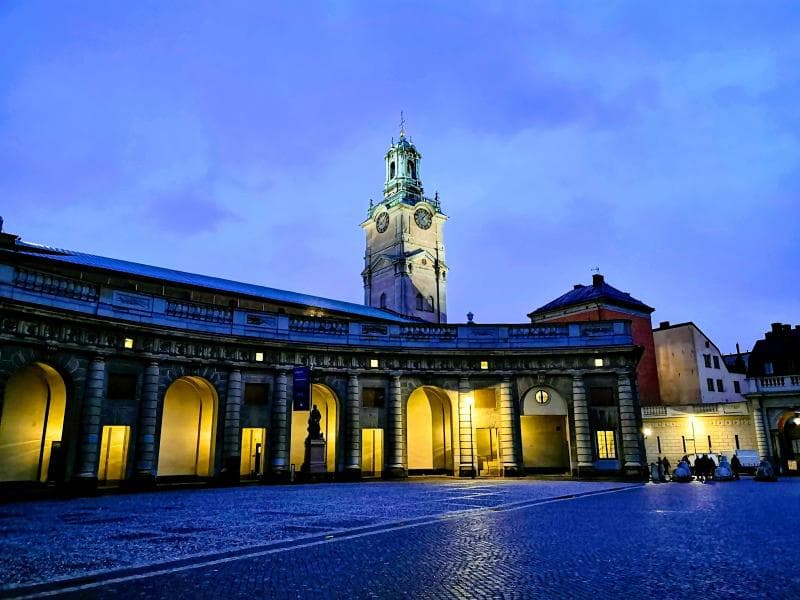
Explore the Royal Chapel in Stockholm Palace, Sweden. Discover its Baroque architecture, rich royal history, and cultural significance.
Overview
The Royal Chapel, known in Swedish as Slottskyrkan, is an exquisite and historically significant place of worship nestled within the grand Stockholm Palace in Stockholm, Sweden. It serves as the spiritual heart of the Swedish Royal Court, functioning as the parish church for the Royal Family and the palace's employees. While it holds profound royal and ecclesiastical importance, this magnificent chapel also opens its doors to the public, offering a unique glimpse into centuries of Swedish heritage and devotion.
As an integral part of the sprawling Royal Palace, one of Europe's largest and most dynamic palaces, the Royal Chapel stands as a testament to Baroque grandeur and enduring faith. Visitors can experience its splendor, particularly during public church services held every Sunday throughout the year, or explore its ornate interiors during the palace's summer visiting hours.
History & Cultural Background
The story of the Royal Chapel is deeply interwoven with the history of Stockholm Palace itself. A chapel has graced the palace grounds since at least the 1200s, dating back to the era of Magnus Ladulås. The current Royal Chapel is actually the third iteration to stand on this site, each one reflecting the architectural styles and historical events of its time.
The predecessor, a chapel inaugurated by King Karl XI, met a dramatic end in the catastrophic palace fire of May 7, 1697, which also destroyed the medieval Tre Kronor Castle. Following this devastating event, the reconstruction of a new royal residence became a monumental undertaking. Master architect Nicodemus Tessin the Younger was entrusted with designing the new Baroque palace, and the creation of a new Royal Chapel was a central component of his ambitious vision.
While Tessin laid the foundational designs, it was Carl Hårleman who meticulously completed the chapel's opulent interior in the mid-1700s, largely adhering to Tessin the Younger's original drawings. The chapel was finally consecrated in 1754, becoming the spiritual focal point for the Swedish monarchy. The elaborate sculptures, statues, and captivating ceiling paintings were the handiwork of the foremost craftsmen and artists of the period, contributing to its status as a Baroque masterpiece.
What Makes It Special
What truly sets the Royal Chapel apart is its breathtaking Baroque interior, a harmonious blend of architectural brilliance and artistic mastery. It features ornate decorations, magnificent gilded accents, and impressive soaring columns that draw the eye upwards. The chapel showcases the genius of Nicodemus Tessin the Younger and Carl Hårleman, whose designs shaped its grandeur.
The lavish ceiling is adorned with remarkable paintings by Guillaume Taraval, depicting the inspiring theme of the Ascension of Jesus Christ. Further artistic contributions came from Johan Pasch, and French sculptors Jacques Philippe Bouchardon and Charles Guillaume Cousin, all adding layers of intricate detail and symbolism. A particularly striking feature is the magnificent Gren-Stråhle organ, above which a timeless Latin inscription reads: 'Sing the God's praise in this sanctuary,' inviting all who enter to partake in its sacred purpose.
Beyond its aesthetic beauty, the Royal Chapel is a 'living' place of worship. It continues to host weekly services, and more significantly, it is the cherished venue for many royal ceremonies, including weddings, baptisms, and funerals, making it a repository of profound personal and national history.
Stories, Fun Facts & Local Details
The Royal Chapel is not merely a museum space; it's a vibrant center of royal life and tradition. As the parish church for the Royal Court, it regularly welcomes members of the Royal Family, court employees, and their relatives for Sunday mass, a tradition open to everyone.
This sacred space has been the setting for numerous significant royal events. It's a tradition in the Swedish Royal Family to attend a 'Te Deum' thanksgiving service in the chapel shortly after the birth of a new royal baby. It has also witnessed modern royal milestones, such as the christening of Princess Estelle in 2012, and the weddings of Princess Madeleine in 2013 and Prince Carl Philip in 2015. A fascinating piece of its history lies in the beautifully crafted pew doors, which were salvaged from King Karl XI's chapel during the devastating 1697 fire and carefully preserved to grace the current chapel.
While often overshadowed by the larger attractions of Stockholm Palace, the chapel offers a quieter, deeply enriching experience. Many tourists might inadvertently overlook this hidden gem, yet those who venture inside discover a truly spectacular Baroque interior that is a highlight of Swedish architectural heritage.
Visitor Perspective
For those eager to experience the Royal Chapel, access is typically gained via the South Gate (Slottsbacken) of Stockholm Palace. It is situated on the second floor, meaning visitors should be prepared for approximately 25 steps, as there is no lift or ramp available.
One of the most authentic ways to experience the chapel is by attending a public church service, which takes place every Sunday at 11:00 AM year-round, and is open to all. During the summer months, the chapel is also accessible for general visits as part of the broader Stockholm Palace tour. However, it's worth noting that opening times can vary due to royal events, weddings, concerts, or other religious services, so checking the official palace website beforehand is advisable. While individual admission charges may apply for the full palace experience, assistance and guide dogs are warmly welcomed.
Coordinates: 18.0717, 59.3268
View on Google Maps💬 How Travelers Describe This Place
Based on community votes
Interesting
934Beautiful
879Unique
741Must See
396Photogenic
276
Traveler Stories
Discover memorable experiences shared by travelers who have visited this place.
No traveler stories yet.
Be the first traveler to share what made this place memorable.

Tour
By
Spot
Discover amazing places around the world. Your journey starts here.
Explore
© 2026 TourBySpot. All rights reserved.