Royal Carriage
Sofia, Bulgaria
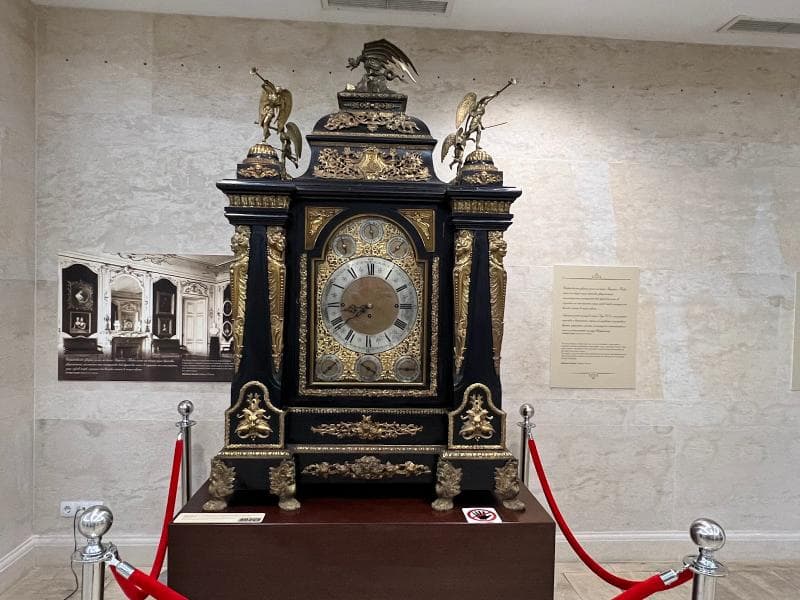
Discover the Royal Carriage of King Ferdinand I at the Sofia History Museum in Sofia, Bulgaria, a historical artifact with ties to European royalty.
Overview
Nestled within the grand architecture of the former Central Mineral Baths, the Sofia History Museum (also known as the Regional History Museum – Sofia) stands as a proud guardian of Bulgaria's capital city's rich past. Among its many fascinating exhibits, a particular highlight captures the imagination of visitors: the Royal Carriage. This meticulously preserved relic offers a tangible link to Bulgaria's monarchical era and provides a glimpse into the opulent world of its former rulers. Displayed prominently, the carriage is not merely an object; it is a piece of history, reflecting the intricate connections between European royal families and the burgeoning Bulgarian state in the late 19th and early 20th centuries. Its presence underscores Sofia's journey from an ancient settlement to a modern European capital, bridging centuries of cultural and political evolution.
History & Cultural Background
The Royal Carriage housed in the Sofia History Museum is notably recognized as belonging to King Ferdinand I of Bulgaria. Ferdinand, born Ferdinand Maximilian Karl Leopold Maria of Saxe-Coburg and Gotha, was the Prince (Knyaz) and later Tsar of Bulgaria, reigning from 1887 to 1918. His reign was a pivotal period for Bulgaria, marked by significant modernization and the declaration of full independence from the Ottoman Empire in 1908.
The carriage's own history is equally captivating, intertwining with some of Europe's most famous historical figures. It is believed to have originally belonged to the ill-fated French Queen Marie Antoinette. Following her era, the carriage came into the possession of Princess Clémentine of Orléans, who was the daughter of King Louis Philippe I of France. Princess Clémentine, known for her strong will and political acumen, later became the mother of King Ferdinand I of Bulgaria. She gifted this magnificent carriage to her son, Ferdinand, for his wedding to Princess Marie Louise of Bourbon-Parma. This lineage not only highlights the carriage's royal provenance but also its role in connecting the Bulgarian monarchy to the established European aristocratic networks of the time, symbolizing prestige and tradition at the heart of the newly formed nation.
What Makes It Special
The Royal Carriage stands out as a unique artifact due to its intricate history and the prominent figures associated with it. Unlike many utilitarian vehicles, this carriage was a symbol of status, power, and dynastic connections. Its connection to Marie Antoinette, Princess Clémentine, and King Ferdinand I of Bulgaria makes it a rare object that has witnessed significant historical events and transitions across different European nations. Its design and craftsmanship likely reflect the finest techniques of its period, showcasing the luxury and artistry employed in royal transportation. The carriage provides a tangible representation of the pomp and circumstance that surrounded European royalty, offering visitors a direct visual understanding of historical grandeur. It serves as a reminder of a bygone era when such elaborate conveyances were essential for royal processions, state occasions, and personal travel, marking the presence of a monarch with undeniable splendor.
Stories, Fun Facts & Local Details
Imagine the stories this carriage could tell if it could speak! From the streets of pre-Revolutionary France, potentially bearing Queen Marie Antoinette, to the new Bulgarian kingdom under King Ferdinand, its journey is a silent testament to centuries of European history. It arrived in Sofia as a wedding gift, symbolizing not just a union between two individuals, but also the aspiration of a young nation to solidify its place among the established European monarchies. King Ferdinand, often described as a dandy and a keen connoisseur of fine arts and luxury, would have appreciated such a gift. His use of the carriage for official duties or personal travel would have added to the spectacle of Sofia's evolving urban landscape, transforming it from an Ottoman provincial town into a modern European capital. The carriage, therefore, is not just a mode of transport; it's a mobile stage on which Bulgarian history unfolded, connecting the aspirations of its leaders with the traditions of older European powers.
Visitor Perspective
Visiting the Royal Carriage at the Sofia History Museum offers a truly immersive experience. As you stand before this impressive artifact, it's easy to visualize the royal processions and significant events it once participated in. The sheer scale and decorative details of the carriage invite contemplation about the lives of those who rode in it and the historical context they inhabited. The museum itself, housed in the magnificent Central Mineral Baths building, provides a fitting backdrop, its architecture echoing the historical periods the carriage represents. The exhibition is designed to give clear explanations and historical context, allowing visitors to connect with the past in a meaningful way. It's a highlight that appeals to history enthusiasts, royal admirers, and anyone curious about the intertwining narratives of European monarchies and Bulgarian national identity. The Royal Carriage is more than an exhibit; it is a portal to a time of kings, queens, and the grand aspirations of a nation.
Coordinates: 23.32392, 42.69928
View on Google Maps💬 How Travelers Describe This Place
Based on community votes
Beautiful
998Must See
711Unique
641Photogenic
481Interesting
196
Traveler Stories
Discover memorable experiences shared by travelers who have visited this place.
No traveler stories yet.
Be the first traveler to share what made this place memorable.

Tour
By
Spot
Discover amazing places around the world. Your journey starts here.
Explore
© 2026 TourBySpot. All rights reserved.