Romanian Medieval Art
Bucharest, Romania
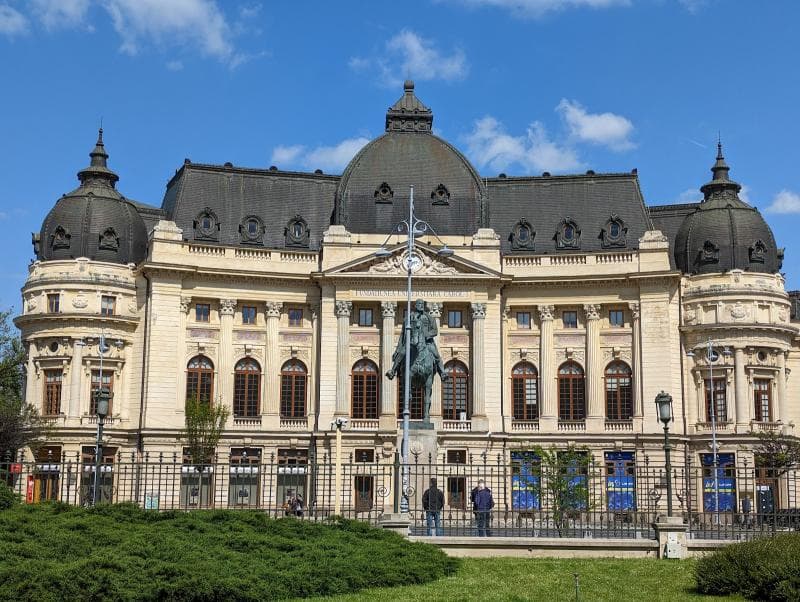
Explore Romanian Medieval Art at the National Museum of Art of Romania in Bucharest. Discover icons, frescoes, and more from the 14th-19th centuries.
Overview
Stepping into the Romanian Medieval Art collection at the National Museum of Art of Romania in Bucharest is like journeying back through centuries. Housed within the former Royal Palace, this remarkable gallery offers the most comprehensive and complex presentation of art and culture from the Romanian Principalities, encompassing Wallachia, Moldavia, and Transylvania. From the 14th to the mid-19th century, this collection vividly portrays a rich tapestry of spiritual and cultural life through hundreds of meticulously preserved artifacts.
Visitors can explore an extraordinary array of icons, intricate mural paintings, exquisite embroideries, rare manuscripts, ancient books, shimmering silverware, delicate jewelry, utilitarian ceramics, and detailed woodcarvings and sculptures. These pieces collectively illuminate the profound artistic legacy of the region, offering a unique glimpse into a past shaped by faith, tradition, and diverse cultural influences. The gallery itself, a significant part of the museum's National Gallery, stands as a testament to Romania's resilience, having triumphantly reopened in 2002 after suffering damage during the 1989 Romanian Revolution.
History & Cultural Background
The roots of Romanian medieval art are deeply embedded in religious devotion, with churches and monasteries serving as the primary patrons of artistic expression during this period. This art form is characterized by a fascinating blend of local Byzantine and post-Byzantine traditions, harmoniously interwoven with both Eastern and Western influences. The collection's existence today is a tribute to dedicated preservation efforts, including the rescue of countless pieces from monasteries that were tragically demolished during the Ceaușescu era.
The foundations of this extensive collection were laid through acquisitions following the unification of Wallachia and Moldavia in 1857. Further significant additions came from inter-war period collections and a partial restitution of Romania's cultural treasures by the Soviet Union in 1956. More recently, archaeological excavations and the diligent safeguarding of fragments from historical sites and monasteries, such as Cotroceni and Văcăreşti in Bucharest, that were threatened in the 1970s and 1980s, have continually enriched the gallery's holdings.
What Makes It Special
What truly sets the Romanian Medieval Art collection apart is its unparalleled scope and the depth of its cultural narrative. It provides an exclusive opportunity to witness the evolution of a distinct artistic identity that masterfully integrated Byzantine aesthetics with regional originality and external influences. The sheer variety of mediums on display – from monumental icons that once graced sacred spaces to the delicate stitches of liturgical embroideries – speaks volumes about the artistic prowess and spiritual fervor of the era.
A dedicated Treasury section within the gallery houses an impressive assortment of secular and religious gold and silverware, showcasing the craftsmanship and wealth of the Romanian Principalities. Among its many treasures are fragments of frescoes, such as those attributed to Dobromir, originating from the historic Church of Curtea de Argeș Monastery. These remarkable pieces offer profound insights into the distinctive Wallachian art of the early 16th century. The collection as a whole is a vibrant reflection of Romania's enduring spirit, creativity, and deep connection to its past.
Stories, Fun Facts & Local Details
Imagine the stories embedded within each artifact – the whispers of prayers from centuries past carried by an icon, the tales of noble patrons commissioning magnificent works, or the quiet dedication of artisans crafting beauty amidst turbulent times. The very building housing this collection, the Royal Palace, carries its own grandeur and history, once serving as a residence for Romanian royalty.
A particularly poignant aspect of the collection is the inclusion of numerous art pieces that were deliberately rescued from destruction during the communist regime. Each such rescued item represents a victory for cultural preservation, a defiance against historical erasure. One fascinating historical figure highlighted by the museum's exhibitions is Neagoe Basarab, a Wallachian voivode from the early 16th century. He was not only a ruler but a significant patron of the arts, fostering a 'Renaissance lifestyle' that drew influences from both the East and West. His legacy includes the creation of the Argeș Monastery and his philosophical work, 'The Teachings to his son Theodosius', underscoring the deep intellectual and artistic currents of the time.
Visitor Perspective
For any curious traveler, a visit to the Romanian Medieval Art collection is an immensely rewarding experience. The museum is designed to be both enjoyable and instructive, making it an ideal destination for those eager to delve into Romanian history and culture. To enhance your exploration, an English-language audio guide is available, specifically tailored for the medieval art collection, providing insightful commentary as you navigate the exhibits.
The National Museum of Art of Romania is conveniently located in central Bucharest, making it easily accessible via public transport. Visitors will find practical amenities, including an on-site cloakroom for storing personal belongings, and certain galleries are wheelchair-accessible, ensuring a more comfortable visit for all. To fully appreciate the vastness and richness of the collection, it is highly recommended to allocate a generous amount of time, perhaps two to three hours, to allow for a thorough and unhurried exploration.
Coordinates: 26.090947177255284, 44.43355546667185
View on Google Maps💬 How Travelers Describe This Place
Based on community votes
Unique
953Must See
695Interesting
658Photogenic
69Beautiful
22
Traveler Stories
Discover memorable experiences shared by travelers who have visited this place.
No traveler stories yet.
Be the first traveler to share what made this place memorable.

Tour
By
Spot
Discover amazing places around the world. Your journey starts here.
Explore
© 2026 TourBySpot. All rights reserved.