Rock and Water Features
Hong Kong, China
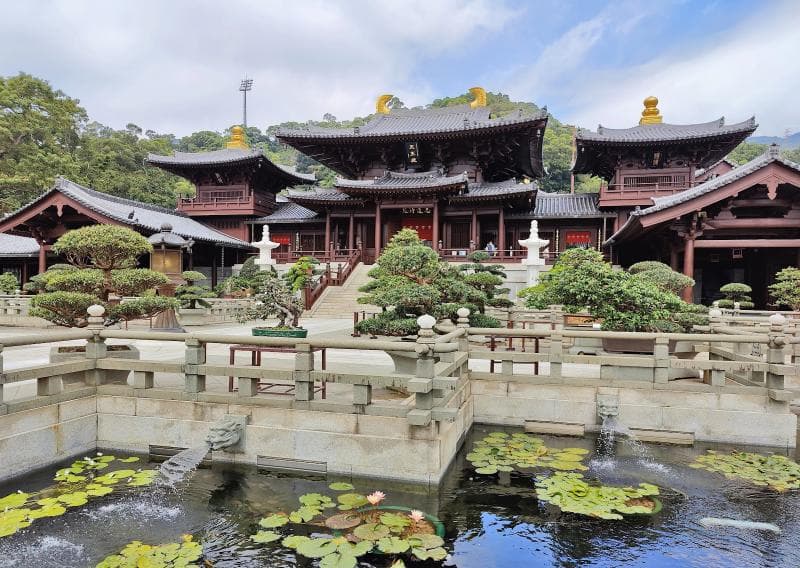
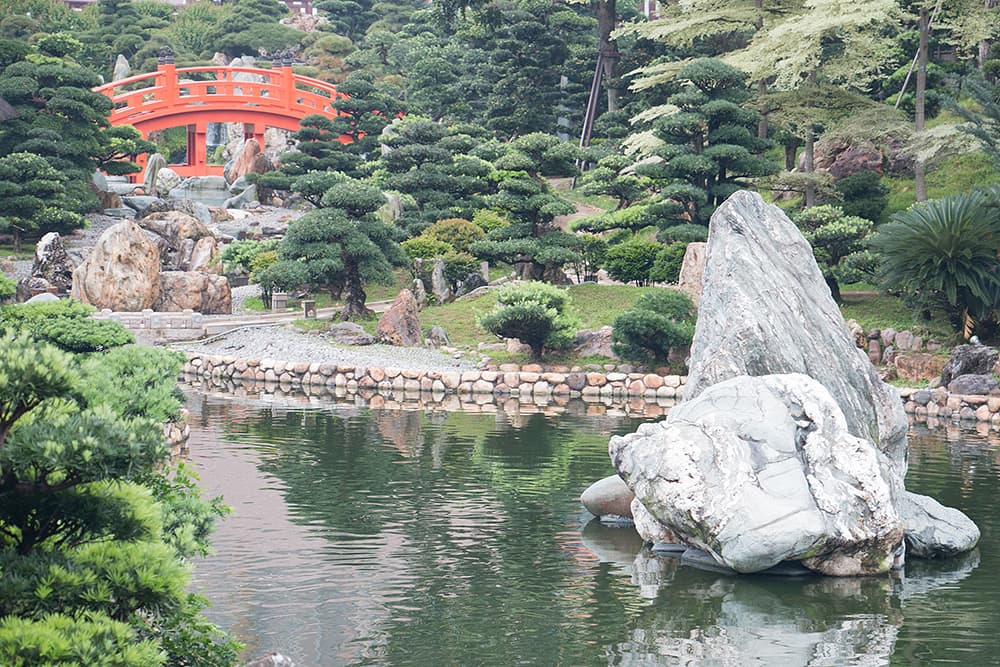
Discover the serene rock and water features of Nan Lian Garden, a Tang Dynasty-style oasis in Hong Kong, China. Explore its unique design and cultural heritage.
Overview
Nestled amidst the bustling urban landscape of Diamond Hill, Kowloon, in Hong Kong, China, lies the serene Nan Lian Garden. This meticulously crafted classical Chinese garden, spanning 3.5 hectares, is a tranquil oasis designed in the distinctive style of the Tang Dynasty (618-907 AD). A collaborative project between the Hong Kong Government and the adjacent Chi Lin Nunnery, Nan Lian Garden officially opened its gates to the public in 2006, offering a peaceful retreat from the city's ceaseless energy. The garden is characterized by its harmonious integration of traditional elements, including gracefully sculpted hills, a rich variety of trees, classical wooden structures, and, most notably, its captivating rock and water features, all arranged to create a continuous and immersive landscape experience.
History & Cultural Background
The design philosophy behind Nan Lian Garden is deeply rooted in the artistic and cultural zenith of China's Tang Dynasty. This period is revered as a golden age for Chinese gardens, with principles emphasizing harmony, balance, and a profound connection with nature. The garden's layout draws inspiration from the famed Jiangshouju Garden in Shanxi Province, one of the few surviving examples of Tang Dynasty garden design. This classical approach is evident in the careful arrangement of every element, ensuring that the garden functions not merely as a scenic park, but as a living embodiment of ancient Chinese aesthetic and philosophical ideals. The Chi Lin Nunnery, which co-developed and manages the garden, imbues the space with Buddhist principles of natural harmony, reinforcing its spiritual and contemplative atmosphere.
Traditional Chinese landscape design famously regards rocks as the 'skeleton' and water as the 'flesh' of a garden, each playing a crucial role in forming its overall structure and vitality. Concepts championed by Tang Dynasty poets such as Lu Zongyuan and Bai Juyi — who emphasized creating gardens that suited their users and celebrated nature's beauty — profoundly influenced Nan Lian Garden's construction. The practice of 'earth enclosing rocks' is fundamental to forming the garden's artificial hillocks, a technique that gives the terrain a natural and organic feel.
What Makes It Special
The rock and water features at Nan Lian Garden are central to its allure, meticulously designed to evoke natural landscapes in miniature. The garden showcases an impressive collection of ornamental rocks and artificial hillocks. Many of these rocks are grand, standalone pieces, while others are artfully grouped or nestled among lush plantings, creating diverse visual textures and focal points. Visitors can observe various types of rocks, including those sourced from Sanjiang County, along with unique Caitao, Heshan, Laibin, Qinghua, petrified trees, and hexagonal rocks. One particularly striking example is the petrified wood-rock, known for its metallic sheen and mottled colors, which becomes even more vivid after rain.
The rocks themselves carry deep symbolic meaning in Chinese culture, representing mountains which signify virtue, stability, and endurance. A notable area, 'The Rockery,' features gigantic rocks carefully arranged to mimic a rugged, natural terrain, inviting contemplation of the power and permanence of nature. The Dahua Stone Museum within the garden also displays rare Dahua stones from China's Red River, renowned for their silicaeous, jade-like quality and striking reddish-to-golden-brown hues. These stones are often presented on sand beds, with the sand raked in circular patterns to portray the stones as islands, further enhancing the miniature landscape effect.
Water, the 'flesh' of the garden, flows through a series of interconnected features designed to imitate natural streams and ponds. Key water elements include the tranquil Lotus Pond, home to the iconic golden Pavilion of Absolute Perfection, and the expansive Blue Pond, which acts as a serene mirror reflecting the sky, surrounding trees, and rocky formations. The Blue Pond teems with life, often graced by koi, carp, and goldfish, and adorned with water lilies. Moving water, such as the Spring Hill Waterfall cascading into the Lotus Pond, adds dynamic energy, sound, and a sense of vitality to the garden. Waterfalls gracefully tumble over stepped rock formations, and a clever design choice involves a high water cascade that creates a 'water curtain,' serving not only as a scenic element but also ingeniously disguising a hidden vegetarian restaurant and muffling the sounds of city traffic beyond the garden's walls.
Stories, Fun Facts & Local Details
Nan Lian Garden is a masterclass in classical Chinese garden design, employing techniques that make its 3.5-hectare footprint feel far more expansive than it is. Designers use 'borrowing scenes,' 'concealing scenes,' 'sheltering scenes,' and 'penetrating scenes' to create an illusion of boundless space and an ever-changing vista with every step. For instance, the distant Lion Rock, Tate's Cairn, Temple Hill, and Kowloon Peak mountain ranges are 'borrowed' into the garden's backdrop, creating a majestic natural boundary.
A fascinating cultural detail lies in the artificial mountain peak on an island within the Blue Pond. This feature symbolically represents the legendary 'Isles of the Immortals' — a mythical heaven where jewels grow on trees, palaces are made of gold and silver, suffering is absent, winter never comes, and delicious fruits grant immortality. Understanding this adds a layer of mystical meaning to the peaceful rock formation. The garden itself is a testament to urban planning, deliberately providing a serene counterpoint to Hong Kong's relentless modernity. Cleverly integrated noise barriers and landscaped mounds effectively shield the garden from external traffic sounds and filter pollution, ensuring an immersive, peaceful experience. Directly connected by a bridge, the adjacent Chi Lin Nunnery is a marvel of traditional craftsmanship, being the world's largest hand-made wooden building constructed without a single nail, relying solely on intricate interlocking systems.
Visitor Perspective
Stepping into Nan Lian Garden offers a profound sense of calm and escape, serving as a tranquil oasis in the vibrant heart of Hong Kong. The garden is designed for leisurely strolling, with a recommended one-way path guiding visitors through its various meticulously maintained scenes. This curated journey ensures that each turn presents a fresh perspective, creating the enchanting illusion of walking through a continuous landscape painting. The graceful flow of water, from cascading waterfalls to still ponds, coupled with the gentle rustle of leaves and the occasional birdsong, contributes significantly to the peaceful ambiance, helping visitors shed the stresses of urban life. Photographers find ample opportunities here, with the interplay of rocks, water, trees, and traditional architecture providing rich foregrounds, backgrounds, and unique textures to capture. The garden's design principles emphasize balance, rhythm, and tranquility, inviting quiet contemplation and reflection. For convenience, a vegetarian restaurant is discreetly positioned behind one of the waterfalls, offering a unique dining experience within the garden's serene setting. Connecting to the Chi Lin Nunnery via a footbridge, Nan Lian Garden allows visitors to seamlessly experience both cultural gems, all with free admission and easy access via the Diamond Hill MTR Station.
Coordinates: 114.2053, 22.3392
View on Google Maps💬 How Travelers Describe This Place
Based on community votes
Unique
950Beautiful
858Interesting
287Must See
275Photogenic
231
Traveler Stories
Discover memorable experiences shared by travelers who have visited this place.
No traveler stories yet.
Be the first traveler to share what made this place memorable.

Tour
By
Spot
Discover amazing places around the world. Your journey starts here.
Explore
© 2026 TourBySpot. All rights reserved.