River Views
Minsk, Belarus
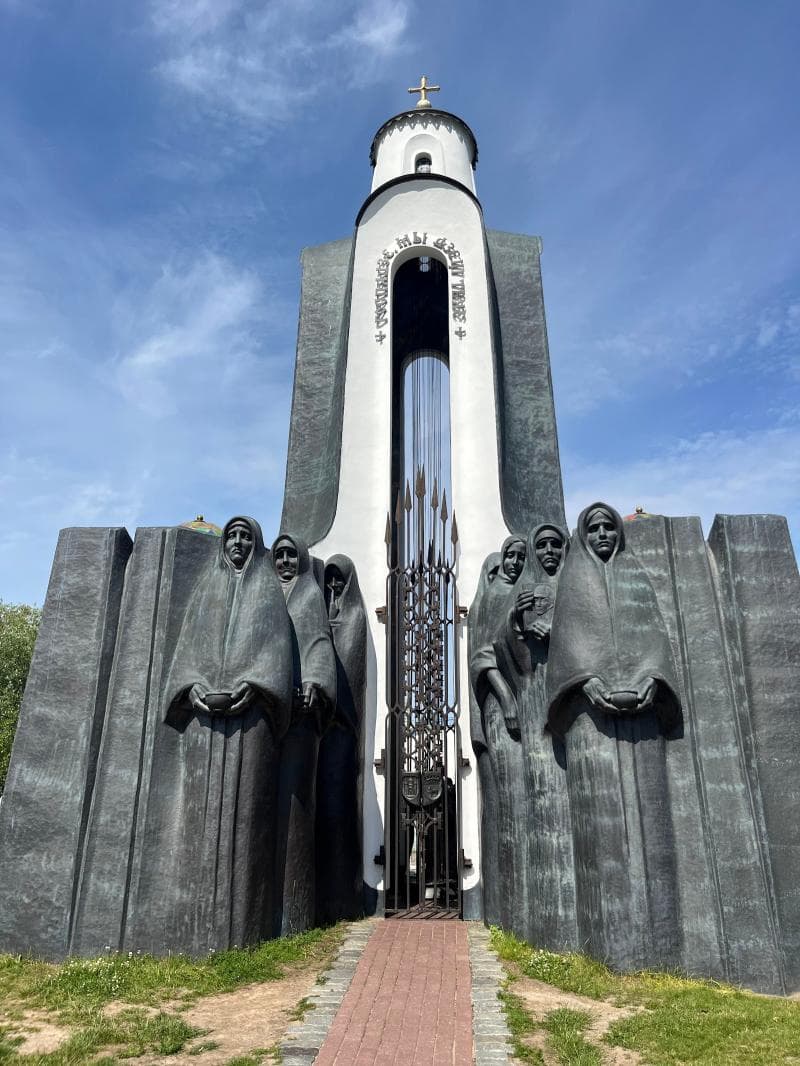
Explore the Island of Tears in Minsk, Belarus, a poignant memorial dedicated to fallen soldiers with solemn architecture and tranquil river views.
Overview
The Island of Tears, known locally as ‘Ostrov Slyoz’, is a profoundly moving memorial complex situated on an artificial island within the tranquil Svislach River in Minsk, Belarus. This poignant site serves as a national tribute to Belarusian soldiers who tragically lost their lives, particularly those who perished during the Soviet-Afghan War from 1979 to 1989. While not a separate named location, the ‘River Views’ from this island are an integral part of its somber beauty and reflective atmosphere, offering visitors a unique perspective on the city framed by the peaceful flow of water.
Connected to the mainland by an arch-type footbridge, the memorial invites quiet contemplation. The island's design thoughtfully incorporates its natural surroundings, making the views of the Svislach River a significant element of the visitor's experience. These waterside vistas contribute to the sense of isolation and introspection that defines this sacred space, allowing for moments of profound reflection on the human cost of conflict.
History & Cultural Background
The memorial's origins trace back to the Soviet-Afghan War, a conflict that deeply impacted many Belarusian families. Construction of the complex began in 1985, even while the war was still ongoing, with its official opening taking place on August 3, 1990. While initially dedicated to the soldiers lost in Afghanistan, the Island of Tears has evolved to honor all Belarusian warriors who have fallen in various conflicts throughout the country's history, becoming a broader symbol of national mourning.
The central chapel, a focal point of the island, was completed in 1996 and draws architectural inspiration from the 12th-century Church of Euphrosyne of Polotsk, blending traditional Belarusian religious forms with contemporary memorial design. This blend of historical reverence and modern expression underscores the enduring nature of grief and remembrance in Belarusian culture.
What Makes It Special
What truly sets the Island of Tears apart is its powerful emotional resonance, enhanced by its unique riverside setting. The central element is a chapel, sometimes referred to as the Chapel of Saint Nicholas, which houses the engraved names of 771 fallen soldiers on its inner walls. Surrounding the chapel are bronze sculptures depicting grieving mothers, widows, and orphans, their expressions conveying the universal pain of loss.
A particularly striking feature is the statue of a weeping angel, often known as the ‘Boy with the Dove’, positioned near the entrance. This sculpture, with real water trickling from its eyes, profoundly symbolizes inconsolable sorrow. The placement of these poignant statues against the backdrop of the Svislach River adds another layer of solemnity, as the flowing water mirrors the tears of those who mourn. The tranquil river views create a serene, yet powerful, environment for remembrance, allowing visitors to engage deeply with the memorial's message.
Stories, Fun Facts & Local Details
The Island of Tears is rich with symbolic details and local lore. Inside the central chapel, visitors might notice the floor gently sloping inward, reminiscent of a sinking ship. This disorienting architectural detail is intended to evoke the chaos and tragedy of war.
One of the most touching legends associated with the memorial is that of the weeping angel. Local belief holds that this angel sheds tears whenever a Belarusian soldier dies in war, a myth that further deepens the site's emotional impact. Another significant detail is a time capsule embedded within the chapel, containing Afghan soil brought by mothers of soldiers who died in the war, creating a tangible, personal connection to the distant conflict.
The stone at the entrance of the memorial bears a powerful inscription in both Belarusian and Russian: 'This memorial is built in the memory of the sons who were lost in Afghanistan, on behalf of the Belarusian mothers who do not want the evil to dominate on their or any other land.' This detail underscores the memorial's message of peace and the enduring hope for a world free from conflict.
Visitor Perspective
Visiting the Island of Tears is an experience that transcends mere sightseeing; it's an opportunity for quiet reflection and profound empathy. The island's accessibility via a footbridge from Trinity Hill sets a reflective mood even before reaching the memorial itself. As you walk across, the views of the Svislach River and the surrounding cityscape begin to unfold, contributing to the tranquil yet solemn atmosphere.
Many visitors choose to spend time by the riverbanks, where the peaceful flow of water offers a sense of calm amidst the memorial's gravity. The panoramic River Views from the island, particularly during early mornings or late afternoons when the light filters beautifully, can be incredibly poignant and photogenic, though the primary purpose of a visit remains one of respectful remembrance. The site is open year-round, offering different atmospheric qualities with the changing seasons, but quiet times are recommended for the most impactful experience.
Coordinates: 27.55451, 53.90964
View on Google Maps💬 How Travelers Describe This Place
Based on community votes
Unique
657Must See
498Beautiful
481Interesting
299Photogenic
19
Traveler Stories
Discover memorable experiences shared by travelers who have visited this place.
No traveler stories yet.
Be the first traveler to share what made this place memorable.

Tour
By
Spot
Discover amazing places around the world. Your journey starts here.
Explore
© 2026 TourBySpot. All rights reserved.