Ring of Fire zone
Osaka, Japan
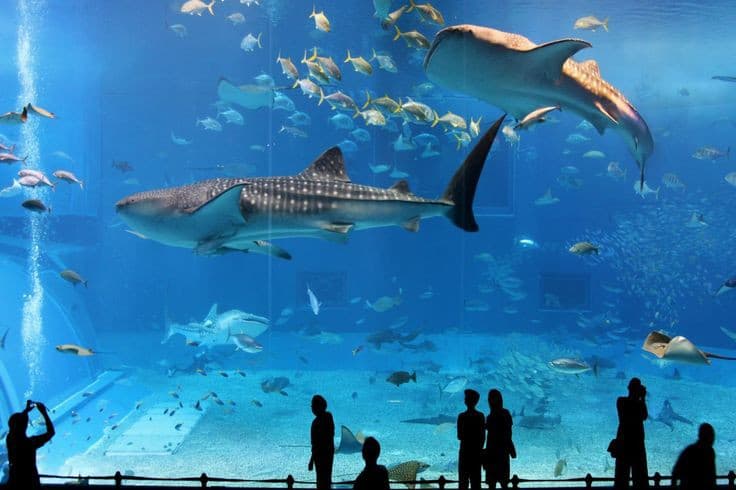
Explore the wonders of the Pacific Rim at Osaka Aquarium Kaiyukan. Discover diverse marine life and the geological 'Ring of Fire zone' in Osaka, Japan.
Overview
The Osaka Aquarium Kaiyukan, located in the vibrant city of Osaka, Japan, is renowned globally as one of the largest aquariums, offering an extraordinary journey through the marine ecosystems of the Pacific Rim. Far from being a single exhibit, the 'Ring of Fire zone' is, in fact, the profound and innovative conceptual framework that defines the entire Kaiyukan experience. This magnificent aquarium faithfully recreates diverse natural environments from around the world, specifically those found within the geologically dynamic Pacific Ring of Fire. As visitors explore its thoughtfully designed spaces, they embark on an immersive voyage that illuminates the interconnectedness of marine life across the vast Pacific Ocean.
The aquarium’s unique design and extensive collection of marine creatures invite a deeper understanding of this scientifically fascinating and biologically rich region. It houses approximately 620 species and 30,000 marine creatures, all presented within habitats that mirror their natural settings along the Pacific Rim. This guiding concept ensures that every visit is not just a viewing of aquatic animals, but an educational exploration of a vital global phenomenon.
History & Cultural Background
The concept behind the Osaka Aquarium Kaiyukan is deeply rooted in the geological reality of the Pacific Ring of Fire, a horseshoe-shaped belt around the Pacific Ocean characterized by an intense concentration of volcanoes and frequent seismic activity. This area is where several tectonic plates meet and subduct, leading to the formation of trenches, volcanoes, and the release of immense geological energy. The aquarium, which opened its doors in 1990, brilliantly translates this powerful natural phenomenon into a living exhibition. Rather than merely displaying fish, Kaiyukan aims to demonstrate that 'our planet and all living things on it are closely integrated to form a single organism.' This cultural and scientific ethos underscores the interconnectedness of Earth's systems, from its fiery geological core to its vibrant marine biodiversity.
The creation of the Kaiyukan was part of a larger redevelopment effort in the Osaka Bay Area, aiming to establish a landmark that would educate and entertain. Its innovative approach to exhibition, focusing on geographical and ecological accuracy, set it apart. By recreating specific ocean regions found within the Ring of Fire – from the Aleutian Islands to the Great Barrier Reef – the aquarium provides a tangible representation of this geological marvel and its profound influence on marine ecosystems. This conceptual depth elevates the visitor's experience beyond simple observation, inviting contemplation on the natural processes that shape our world.
What Makes It Special
What truly sets the Osaka Aquarium Kaiyukan apart is its pioneering conceptual design and immersive visitor experience, centered around the 'Ring of Fire' theme. Instead of traditional stacked tanks, Kaiyukan employs a spiraling descent, where visitors begin on the eighth floor and gradually wind their way down around a massive central tank, the 'Pacific Ocean' tank. This unique layout allows for multiple perspectives of the same habitats, enabling guests to observe marine life from various depths, mimicking a real dive into the ocean.
Each major tank within the aquarium represents a distinct region along the Pacific Rim's Ring of Fire. Visitors can explore a diverse array of environments, including the chilly waters of the Aleutian Islands, the vibrant coral reefs of the Great Barrier Reef, the rich biodiversity of Monterey Bay, and the deep, mysterious waters of Japan. The centerpiece, the gargantuan Pacific Ocean tank, is a nine-meter-deep, 5,400-ton marvel that houses a variety of species, most notably the majestic whale sharks, which are the aquarium's iconic residents. This meticulous recreation of diverse habitats, combined with the innovative architectural design, offers an unparalleled educational journey into the world's oceans.
Stories, Fun Facts & Local Details
The Osaka Aquarium Kaiyukan is rich with fascinating details that enhance its storytelling. For instance, the whale sharks, which are the main draw of the aquarium, even have affectionate nicknames: 'Kai' (male) and 'Yu' (female). These names are carried forward through successive whale sharks, fostering a sense of continuity and connection with visitors. These gentle giants, the largest fish in the world, are an incredible sight as they gracefully navigate the immense central tank.
Beyond the whale sharks, the aquarium is home to a captivating cast of characters, from the playful sea otters in the Japan Forest exhibit to the comical ocean sunfish (mola mola), which are rare in captivity. The Japanese spider crabs, with leg spans reaching up to four meters, are another astounding sight from the deep sea exhibit. The sheer scale of the aquarium itself is a fun fact: it utilizes 11,000,000 liters of water across its tanks, with the largest single acrylic pane measuring six meters by five meters by thirty centimeters and weighing roughly 10 tons.
The design also plays with lighting and ambiance; darkened corridors and massive viewing windows are purposefully used to create an immersive 'walking through the ocean' experience, making you feel truly submerged in the marine world. Even the exterior is playful, featuring a vibrant, colorful facade that hints at the wonders within.
Visitor Perspective
For the curious traveler, a visit to the Osaka Aquarium Kaiyukan is an extraordinary adventure. The journey begins not at the bottom, but at the top, as escalators whisk you to the eighth floor. From there, the self-guided tour unwinds in a spiral descent, allowing you to gradually explore the various 'Ring of Fire' habitats. This layout ensures that you encounter each tank from multiple vantage points, providing a dynamic and comprehensive view of the marine life within.
The immersive nature of the Kaiyukan is palpable. As you walk through the dimly lit corridors, surrounded by enormous tanks, you truly feel as if you are exploring the ocean depths alongside the creatures. The interactive exhibits, such as areas where visitors can touch certain marine animals, add another layer of engagement, fostering a deeper appreciation for the aquatic world. The aquarium is consistently praised for its ability to captivate both children and adults, making it a popular destination for families and solo travelers alike.
Beyond the marine marvels, the Kaiyukan's location in the Tempozan Harbor Village means visitors can extend their experience with nearby attractions like the Tempozan Ferris Wheel, adding to a full day of exploration in Osaka's bay area. The blend of education, wonder, and accessible enjoyment makes the 'Ring of Fire zone' – the entire Osaka Aquarium Kaiyukan – an unforgettable highlight of any trip to Japan.
Coordinates: 135.428964, 34.654474
View on Google Maps💬 How Travelers Describe This Place
Based on community votes
Interesting
540Beautiful
470Unique
410Must See
254Photogenic
114
Traveler Stories
Discover memorable experiences shared by travelers who have visited this place.
No traveler stories yet.
Be the first traveler to share what made this place memorable.

Tour
By
Spot
Discover amazing places around the world. Your journey starts here.
Explore
© 2026 TourBySpot. All rights reserved.