Retro Game Stores
Tokyo, Japan
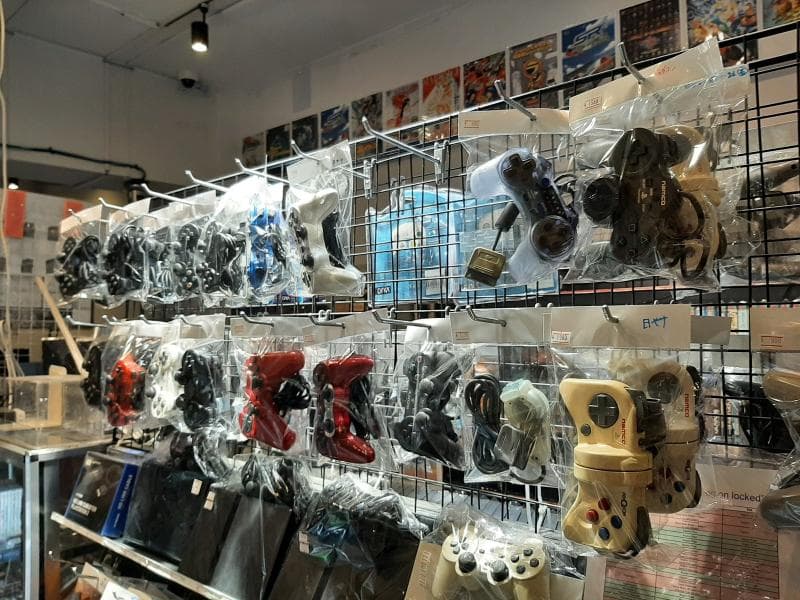
Explore Akihabara's legendary retro game stores in Tokyo, Japan. Discover classic consoles, rare games, and nostalgic arcade experiences in Electric Town.
Overview
Akihabara, often affectionately known as 'Electric Town', in Tokyo, Japan, offers a unique pilgrimage for enthusiasts of retro video games. Beyond the neon glow of modern electronics and anime, a vibrant subculture thrives, dedicated to preserving and celebrating the golden age of gaming. This district is home to numerous specialty stores where collectors and nostalgic players can rediscover classic consoles, cartridges, and arcade memorabilia from decades past. It's a place where the history of video gaming comes alive, inviting visitors to step back in time and reconnect with the pixelated memories of their youth.
History & Cultural Background
Akihabara's transformation into a haven for electronics and subsequently, otaku culture, began after World War II. Initially, it flourished as a black market for radio parts and electronic components, earning its 'Electric Town' moniker. Throughout the 1980s and 1990s, with the advent of personal computers and the explosion of Japanese pop culture, Akihabara naturally evolved. It became a hub for anime, manga, and gaming, attracting a diverse audience of enthusiasts. The growth of video game companies like Nintendo, Sony, and Square Enix cemented Japan's position at the forefront of the industry, fostering a deep cultural appreciation for gaming that is evident in Akihabara today.
What Makes It Special
What sets Akihabara's retro game stores apart is their incredible variety and the palpable sense of history they embody. Stores like Super Potato, often regarded as one of Japan's most famous retro gaming shops, boast an unparalleled inventory spanning generations of consoles and games, from the classic Famicom to the Sega Saturn and PlayStation. Here, you can find rare Japanese-exclusive titles and consoles, some in pristine, boxed conditions. Other notable shops include Retro Game Camp, known for its well-maintained games and selection of adapters for international play, and Trader, which offers a vast collection of retro games alongside modern titles, often protected in hard plastic cases. BEEP Akihabara stands out for its niche collection, including retro PCs and arcade boards, offering a glimpse into the broader history of computing and gaming.
Stories, Fun Facts & Local Details
Visiting these stores is more than just shopping; it's an immersive experience. Super Potato, for instance, not only sells games but also features a retro arcade on its upper floors where visitors can play classic arcade machines, often for a mere 100 yen per play. It even sells Japanese 'dagashi' (cheap, nostalgic sweets), adding to the retro ambiance. While Super Potato is a globally recognized name, sometimes drawing higher prices due to tourist popularity, it is still celebrated as a 'museum as much as a shop' for its extensive historical collection. Shoppers might also discover stores like Friends Akihabara, a smaller gem offering reasonably priced games and a surprising selection of video game soundtracks. These establishments meticulously check and maintain their second-hand items, ensuring quality for collectors. The hunt for a specific rare cartridge or console often feels like a treasure hunt, winding through the multi-story buildings and narrow alleys of Akihabara.
Visitor Perspective
For many travelers, exploring Akihabara's retro game stores is a journey of nostalgia. It's a chance to reconnect with childhood favorites, whether it's an original Nintendo Famicom game or a Sega Mega Drive cartridge. The atmosphere in these stores is often one of shared passion, where generations converge over a love for classic gaming. While some stores might be pricier, particularly for rare items that appeal to international collectors, the sheer act of browsing the extensive collections is an attraction in itself. Many international visitors seek out Japanese-exclusive titles or consoles, understanding that a step into these stores is a step into a significant part of Japan's pop culture history. The experience is not just about making a purchase, but about reliving memories and appreciating the enduring legacy of video games in a place that has championed them for decades.
Coordinates: 139.7737, 35.6982
View on Google Maps💬 How Travelers Describe This Place
Based on community votes
Beautiful
950Must See
858Unique
287Interesting
231Photogenic
86
Traveler Stories
Discover memorable experiences shared by travelers who have visited this place.
No traveler stories yet.
Be the first traveler to share what made this place memorable.

Tour
By
Spot
Discover amazing places around the world. Your journey starts here.
Explore
© 2026 TourBySpot. All rights reserved.