Rector’s Palace
Dubrovnik, Croatia
Explore the historic Rector's Palace in Dubrovnik Old Town, Croatia. Discover its Gothic, Renaissance, and Baroque architecture, rich history as the Republic of Ragusa's government seat, and its current role as the Cultural History Museum.
Overview
Nestled within the ancient walls of Dubrovnik Old Town, the Rector’s Palace stands as a profound testament to the city's rich history and enduring spirit. Once the epicenter of governance for the Republic of Ragusa, this magnificent structure seamlessly blends Gothic, Renaissance, and Baroque architectural styles, each telling a story of its turbulent past. Today, it serves as the Cultural History Museum of Dubrovnik, inviting travelers to step back in time and explore the lives of those who shaped this remarkable maritime republic.
More than just a building, the Rector’s Palace was the seat of the Rector, the Minor Council, and the state administration, housing not only political offices but also an armory, a watch house, and even a prison. Its prominent location within the Old Town, between the Town Hall and the Church of St. Blaise, makes it an unmissable landmark, reflecting centuries of power, resilience, and artistic endeavors.
History & Cultural Background
The site where the Rector’s Palace now stands was originally occupied by a defensive building as early as the 12th century, first referred to as a 'castrum' in 1272 and later a 'castellum'. The term 'palatium' first appeared in documents in 1349. However, the palace we see today began its primary form after a devastating fire in 1435. The Republic entrusted master builder Onofrio di Giordano della Cava of Naples, known for his work on Dubrovnik's aqueduct, with the task of reconstruction, creating a harmonious Gothic building.
Tragically, the palace faced repeated destruction. A significant gunpowder explosion in 1463 severely damaged the building again. Further attempts at reconstruction saw the involvement of renowned architects like Michelozzo of Florence, whose Renaissance-heavy plans were initially rejected, and Salvi di Michele, who contributed to reshaping the porch in Renaissance style. The grand earthquake of 1667 also inflicted substantial damage, leading to Baroque additions during its subsequent repairs. Each reconstruction added a new layer to its architectural tapestry, culminating in the unique blend of styles visible today.
What Makes It Special
What truly sets the Rector’s Palace apart is its profound symbolic significance as the heart of the Republic of Ragusa’s governance. It wasn't merely an administrative building but the embodiment of the Republic's unique political philosophy. An enduring inscription above the entrance to the Major Council hall succinctly captures this ethos: 'Obliti privatorum publica curate' – 'Forget private affairs, care for public matters'.
The palace's elegant arcaded facade and the tranquil interior atrium, adorned with sculpted details, exemplify the Dalmatian Gothic-Renaissance style. The harmonious blend of architectural elements, born from centuries of destruction and rebirth, makes it a living museum of architectural evolution. The courtyard, in particular, is a highlight, featuring a Baroque staircase built after the 1667 earthquake and a monument dedicated to Miho Pracat, a testament to civic virtue.
Stories, Fun Facts & Local Details
Life for the Rector within these walls was far from luxurious leisure. Elected for a strict one-month term, the Rector was essentially confined to the palace, separated from his family, and forbidden from leaving except for official state duties. This extraordinary measure was designed to prevent corruption and ensure complete devotion to public service, a powerful symbol of the Republic's commitment to good governance. Each evening, he would symbolically receive the keys to the city, returning them the following morning, underscoring the government's accountability to its citizens.
The recurrent gunpowder explosions that plagued the palace throughout the 15th century offer a dramatic glimpse into its history, necessitating frequent and extensive rebuilding efforts and shaping its ever-evolving appearance. Visitors can also discover the monument to Miho Pracat, a wealthy shipowner who bequeathed his fortune to the Republic. Erected in 1638, it is notable as the only statue dedicated to a common citizen during the Republic's era, highlighting Dubrovnik's appreciation for public benefactors.
Visitor Perspective
Today, the Rector’s Palace offers a compelling visitor experience as the Cultural History Museum of Dubrovnik. Its permanent exhibition is curated to evoke the authentic atmosphere of the former palace, guiding visitors through the history and daily life of the Republic of Ragusa.
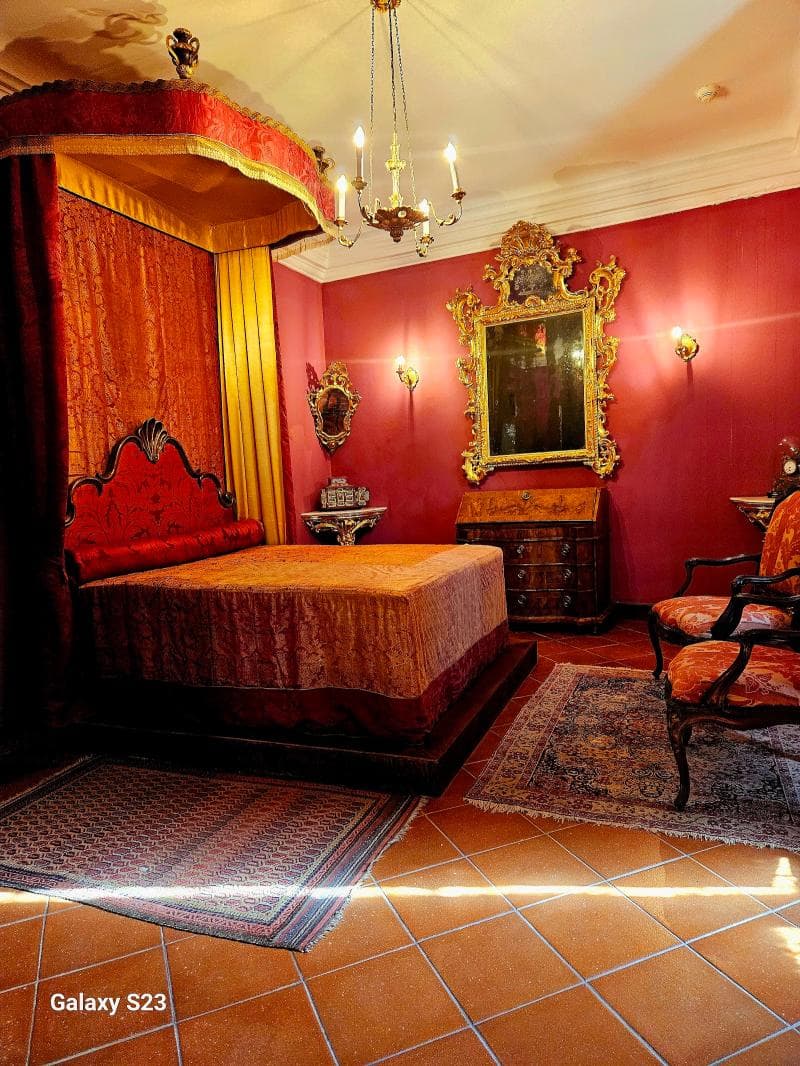
On the ground floor, you can explore reconstructed state offices, courtrooms, and even the historical dungeons, providing a chilling insight into the judicial system of the past. The first floor showcases grand reception rooms, the Rector's private residence, and the palace chapel, furnished with period pieces to recreate the original ambiance. The museum houses a rich collection of some 20,000 items, including the Rector's ceremonial robes, portraits of Dubrovnik's leaders, ancient manuscripts, period furniture, textiles, and coins minted by the Republic, offering a comprehensive glimpse into Dubrovnik's golden age. Furthermore, the palace's beautiful atrium often hosts classical music concerts, especially during the Dubrovnik Summer Festival, making it a vibrant cultural hub even today.
Coordinates: 18.110675, 42.640314
View on Google Maps💬 How Travelers Describe This Place
Based on community votes
Must See
965Interesting
743Photogenic
719Beautiful
629Unique
176
Traveler Stories
Discover memorable experiences shared by travelers who have visited this place.
No traveler stories yet.
Be the first traveler to share what made this place memorable.

Tour
By
Spot
Discover amazing places around the world. Your journey starts here.
Explore
© 2026 TourBySpot. All rights reserved.