Railway History Zones
Brussels, Belgium
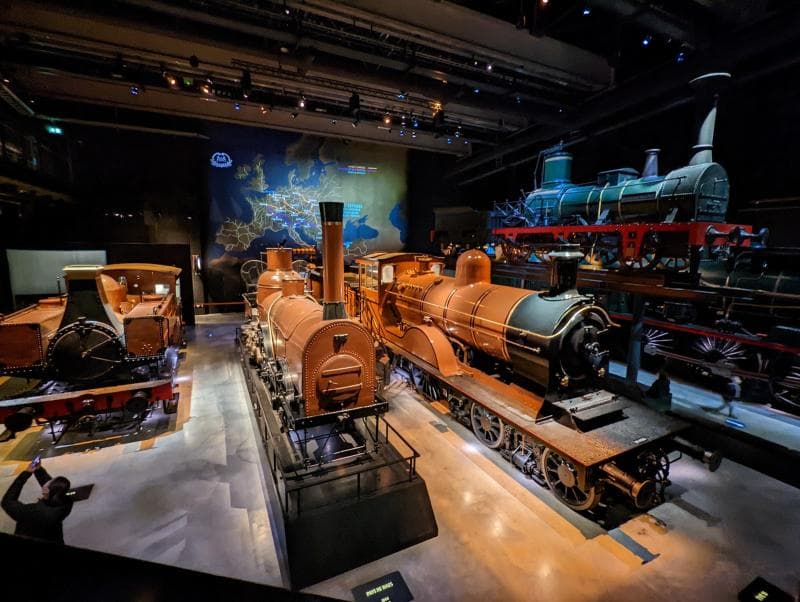
Explore Railway History Zones at Train World in Brussels, Belgium. Discover Belgium's pioneering railway past, from steam giants to high-speed trains.
Overview
Deep within the historic Schaerbeek railway station in Brussels, Belgium, lies Train World, the national museum dedicated to the rich and evolving history of Belgian railways. This remarkable institution, which opened its doors in 2015, isn't just a collection of old trains; it's an immersive journey through time, revealing the profound impact of rail transport on the nation and beyond. Train World is considered one of the most modern and engaging train museums in Europe, offering an unforgettable experience for all ages. Visitors can explore over 8,000 square meters of exhibition space, where 22 locomotives and more than 1,200 other railway artifacts are meticulously displayed.
The museum's historical exhibits, which could be broadly considered its 'Railway History Zones', chronologically detail the evolution of rail travel from its earliest days to its contemporary forms. It’s a place where the grandeur of steam engines meets the sleek design of modern high-speed trains, all set within the beautifully restored station building and a purpose-built contemporary hall.
History & Cultural Background
Belgium boasts the oldest railway network on the European continent, a legacy that Train World proudly preserves and presents. The museum effectively tells the story of how this pioneering spirit shaped the country's industrial growth and connected its communities. The journey begins in the early days of rail, showcasing the foundational role of steam power in Belgium's development. This historical narrative extends through various eras, including the challenges of war and periods of significant reform, into the 'Golden Sixties', and ultimately to the advancements of the late 20th and early 21st centuries.
Key to understanding this heritage is the focus on the Belgian National Railway Company (SNCB/NMBS), whose extensive collection forms the heart of Train World's exhibits. The museum elucidates how trains have transcended mere transportation, becoming integral to daily life, industry, and the very fabric of European mobility.
What Makes It Special
Train World stands out not only for its vast collection but also for its unique, theatrical scenography, meticulously designed by the acclaimed Brussels comic artist François Schuiten. This artistic touch transforms the museum into a narrative experience, far removed from a typical static display of locomotives. Visitors don't just observe; they are invited to step aboard trains, walk through royal cars, and even traverse an original 19th-century railway bridge reassembled indoors.
Among its most cherished treasures is the 'Pays de Waes', dating from 1845, which holds the distinction of being the oldest preserved steam locomotive in continental Europe. Another highlight is the 'Type 12' streamlined steam locomotive, famous for setting speed records in 1939. The museum also features luxurious royal cars and the stainless steel TEE cars, precursors to today's high-speed trains.
Stories, Fun Facts & Local Details
Beyond the grand locomotives, Train World is filled with fascinating details that bring railway history to life. One can marvel at the intricate design of King Leopold II's lounge car, offering a glimpse into royal travel. For those with a need for speed, a first-class TGV cabin allows visitors to test out the seating and imagine traveling at modern velocities.
The interactive elements are a major draw, particularly the railway simulator where visitors can virtually drive a train through present-day Schaerbeek and even a projected future Brussels. Children, and adults alike, are encouraged to engage directly with the exhibits, climbing into carriages and operating levers, fostering a hands-on understanding of railway mechanics and history.
Visitor Perspective
A visit to Train World is designed to be an enriching and accessible experience for everyone. Located directly adjacent to Schaerbeek station, it is easily reachable by public transport, making it a convenient destination for travelers. The museum offers guided tours in multiple languages, including English, providing deeper insights into the collections.
The inclusive design of Train World caters to diverse audiences, with initiatives like low-incentive days for autistic children and adapted tours for visually and hearing-impaired visitors. Whether you are a dedicated train enthusiast, a history buff, or a family looking for an engaging day out, Train World offers a captivating exploration of Belgium's railway heritage, leaving visitors with a profound appreciation for the ingenuity and romance of train travel.
Coordinates: 4.37944, 50.87806
View on Google Maps💬 How Travelers Describe This Place
Based on community votes
Unique
551Beautiful
547Must See
336Interesting
298Photogenic
212
Traveler Stories
Discover memorable experiences shared by travelers who have visited this place.
No traveler stories yet.
Be the first traveler to share what made this place memorable.

Tour
By
Spot
Discover amazing places around the world. Your journey starts here.
Explore
© 2026 TourBySpot. All rights reserved.