Quran Gallery
Kuala Lumpur, Malaysia
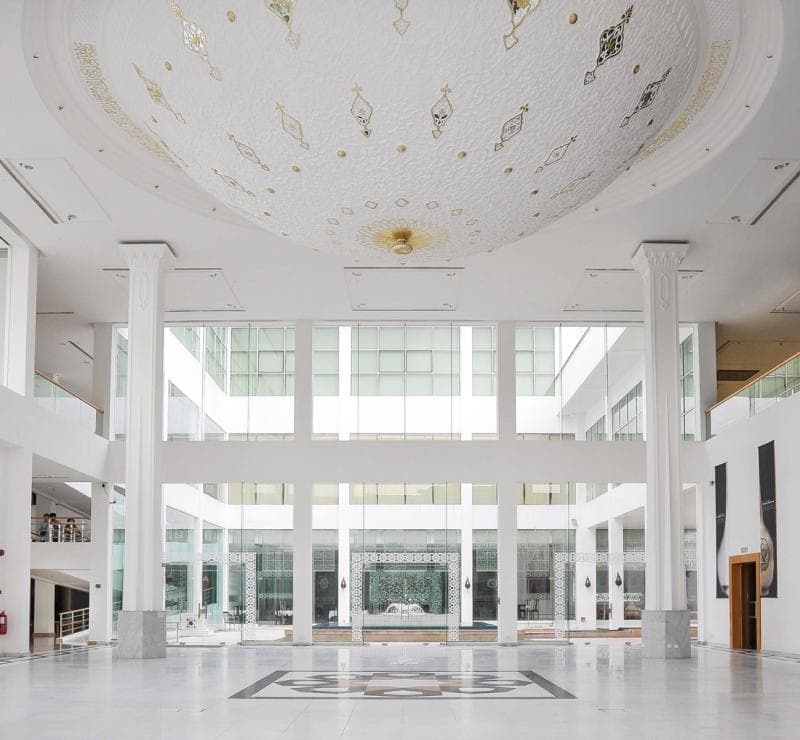
Explore the profound artistry of the Quran Gallery at the Islamic Arts Museum in Kuala Lumpur, Malaysia. Discover ancient manuscripts, diverse calligraphic styles, and the rich cultural heritage of Islamic scripture.
Overview
Nestled within the magnificent Islamic Arts Museum Malaysia (IAMM) in Kuala Lumpur, the Quran Gallery offers a profound journey into the spiritual and artistic heart of Islam. As one of the core exhibits on Level One of the museum, this gallery is a beacon for understanding the central role of the Quran and the exquisite art of calligraphy across Islamic civilizations. The IAMM itself, established in 1998, stands as Southeast Asia's largest museum dedicated to Islamic arts, housing an impressive collection of over ten thousand artifacts from across the Islamic world. The Quran Gallery is not merely a display of ancient texts; it is a meticulously curated space that unveils the beauty and reverence associated with the divine word, showcasing how it has inspired unparalleled artistic expression throughout history.
History & Cultural Background
In Islamic culture, the Quran, revered as the direct word of God, holds an unparalleled position. This veneration transformed the act of transcription into a sacred responsibility, elevating calligraphy to the highest form of Islamic art. The Quran Gallery meticulously traces this evolution, presenting a diverse array of manuscripts that illustrate the rich artistic traditions developed over centuries. The earliest examples of Arabic calligraphy, often found in ancient Quranic fragments, predominantly feature the stark yet elegant Kufic script. Over time, this evolved into a myriad of distinct calligraphic styles, each bearing the unique aesthetic influences of its region.
Historically, scribes occupied highly respected positions within Islamic societies, with even rulers often demonstrating their own calligraphic skills. The museum's collection spans vast geographical and temporal landscapes, featuring manuscripts from the 8th century onwards, originating from Iran, North Africa, India, Turkey, China, and the Malay world. The IAMM's mission has always been to represent the breadth of the Islamic world's artistic heritage, with a special emphasis on the contributions from Asia, including China and Southeast Asia, ensuring a comprehensive global perspective on Quranic art.
What Makes It Special
The Quran Gallery is a treasure trove of rare and significant pieces, making it an extraordinary destination for enthusiasts of Islamic art and history. Visitors can marvel at some of the oldest surviving fragments of the Quran, some dating back to the 8th century, offering a tangible connection to the early days of Islam. The gallery showcases an impressive variety of calligraphic styles—from the archaic Hijazi and powerful Kufic to the ornate Thuluth, elegant Naskh, flowing Maghribi, and the distinctive Al-Sini script from China. This rich display vividly illustrates the diverse regional interpretations and developments in Quranic writing over time.
Among its most celebrated holdings are folios from iconic manuscripts such as the 9th to 10th-century 'Blue Quran' and the subtly elegant 'Pink Quran'. The gallery also offers insight into the intricate process of creating these sacred texts, detailing the steps from the initial outline to the exquisite illumination and final text. Beyond the manuscripts themselves, the exhibits highlight how Quranic verses were integrated into various art forms, sanctifying and beautifying everyday objects and architectural elements, demonstrating the seamless blend of text and ornament in Islamic art. The degree of ornamentation often reflected the patron's wealth and geographical location, with the elaborate embellishments seen in Indian, Persian, and Ottoman works contrasting with the more minimalist aesthetics found in other regions. A particularly captivating exhibit is the Royal Terengganu Quran from 1871 CE/1288 AH, which exemplifies the intricate and unique illumination styles developed within the Malay world.
Stories, Fun Facts & Local Details
The Quran Gallery reveals fascinating insights into the dedication and artistry behind Islamic scripture. For centuries, the emphasis on perfect penmanship ensured that the art of the book remained at an extraordinarily high level; indeed, the printed word never achieved the same revered status as hand-scribed manuscripts. In the Malay world, Qurans often feature elaborate decorations at their beginning, middle, and end, serving both aesthetic and spiritual purposes by aiding recitation and evoking deep emotions in the reader.
A unique local detail found in Malay Qurans is the emphasis on the word 'wa-l-yatalattaf' (meaning 'and let him be careful') from Surah Al-Kahf verse 19. This word is traditionally recognized as the precise midpoint of the Quran and is often highlighted with enlarged or gilded script, symbolizing the heart of the holy text. The embellishments on Malay Qurans often incorporate indigenous motifs like 'sulur-suluran' (vegetal scrolls) and 'gunungan' (mountain-shaped designs), beautifully merging universal Arabesque and geometric patterns with local artistic traditions. The gallery also features the tools of the master calligrapher, such as elaborately crafted pen boxes and inkwells, which were considered works of art in themselves. A notable anecdote comes from the 15th-century writer Al-Qalqashandi, who famously declared the inkwell to be the 'Mother of all Tools', likening a scribe without his inkwell to 'a man who enters a fight without a weapon'.
Visitor Perspective
For many visitors, especially those with an interest in Arabic calligraphy, entering the Quran Gallery is akin to embarking on a personal pilgrimage. Positioned as one of the first galleries encountered upon entering the museum, it sets the tone for the entire experience, preparing the eye to appreciate the subtle and overt presence of calligraphy throughout other exhibits, from ceramics and glass to metalwork and wooden artifacts. The gallery's tranquil ambiance, complemented by comprehensive informational panels, makes the exploration both educational and deeply inspiring. It allows visitors to witness firsthand how diverse Islamic artistic traditions evolved across different regions, reflecting a global tapestry of devotion and craftsmanship. While the entire museum is recommended for a 2-3 hour visit, the profound artistry within the Quran Gallery often encourages a more contemplative and extended stay.
Coordinates: 101.6898, 3.1419
View on Google Maps💬 How Travelers Describe This Place
Based on community votes
Interesting
989Unique
613Photogenic
581Must See
514Beautiful
207
Traveler Stories
Discover memorable experiences shared by travelers who have visited this place.
No traveler stories yet.
Be the first traveler to share what made this place memorable.

Tour
By
Spot
Discover amazing places around the world. Your journey starts here.
Explore
© 2026 TourBySpot. All rights reserved.