Quan Thanh Temple
Hanoi, Vietnam
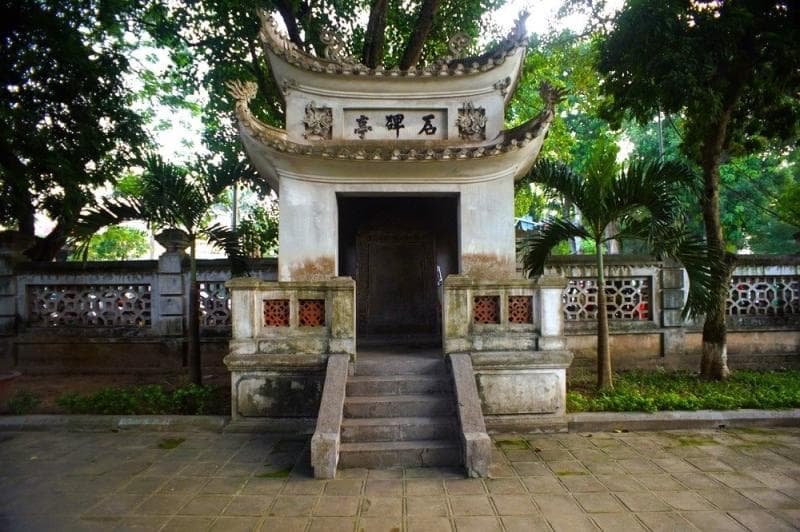
Explore Quan Thanh Temple, an ancient Taoist sanctuary in Hanoi, Vietnam. Discover its rich history, unique architecture, and the revered black bronze statue of Huyen Thien Tran Vu near West Lake.
Overview
Nestled serenely on the southeastern shore of West Lake, where Thanh Nien Street meets Quan Thanh Street, Quan Thanh Temple stands as one of Hanoi's most ancient and revered spiritual sites. Also known as Tran Vu Temple, this historic landmark is a pivotal piece of the city's heritage, forming part of the 'Thang Long Tu Tran'—the Four Sacred Temples that traditionally guarded the ancient capital of Thang Long (present-day Hanoi) from malevolent spirits and forces. Dedicated to Huyen Thien Tran Vu, the Deity of the North, the temple offers a tranquil escape and a profound glimpse into Vietnamese Taoist beliefs and centuries of cultural evolution.
History & Cultural Background
The origins of Quan Thanh Temple trace back to the Ly Dynasty, purportedly built around 1010 during the reign of Emperor Ly Thai To. Legend suggests it was erected following the relocation of the capital to Thang Long, marking a significant moment in the city's founding. Its primary purpose was to honor Huyen Thien Tran Vu, a powerful Taoist deity revered as the God of the North, associated with protection, the removal of evil spirits, and martial prowess. This dedication made Quan Thanh Temple the northern guardian among the four protective temples, a strategic and spiritual placement for the capital.
Over its long history, spanning more than ten centuries, Quan Thanh Temple has undergone numerous renovations and expansions. While its early design was influenced by Buddhism, subsequent modifications, particularly during the Nguyen Dynasty, have shaped its current architectural style, showcasing a blend of Vietnamese traditional elements with Taoist and Confucian influences.
What Makes It Special
The undisputed centerpiece of Quan Thanh Temple is the awe-inspiring black bronze statue of Huyen Thien Tran Vu, cast in 1677 during the reign of King Le Hy Tong. This magnificent statue stands nearly 4 meters tall and weighs approximately 4 tons, making it a remarkable testament to 17th-century Vietnamese bronze casting artistry. The deity is depicted in a seated posture, holding a sword entwined by a serpent, with a turtle beneath his feet. These symbolic animals carry deep meaning: the serpent represents wealth, and the turtle symbolizes protection, reflecting rich Vietnamese folklore traditions.
Beyond the statue, the temple's architecture captivates with its intricate details. The grand triple gate, known as Tam Quan, is adorned with carvings of Vietnamese phoenixes and unicorns, creating a majestic entrance. Inside, visitors can admire exquisitely carved wooden elements depicting sacred creatures, flora (pine, bamboo, chrysanthemum, apricot), and scenes of earthly and celestial activities, showcasing the masterful craftsmanship of local artisans.
Stories, Fun Facts & Local Details
Quan Thanh Temple is steeped in legends that bring its ancient stones to life. One popular tale recounts how Huyen Thien Tran Vu bravely battled a monstrous serpent-cock demon that terrorized the land, ultimately defeating it by luring it into a swamp. His bronze statue, with the serpent under his foot, serves as a powerful reminder of his protective vigilance. Another interesting detail is the story of Master craftsman Trum Trong from Ngu Xa village, who cast the monumental Tran Vu statue. His skill was so revered that a smaller statue of him was placed within the temple alongside the deity, honoring his contribution.
Locals frequent Quan Thanh Temple, especially during Tet (Lunar New Year) and on the 1st and 15th days of lunar months, to offer incense and prayers for health, good fortune, and academic success. You might observe the ritual of burning fake paper money in a dedicated brick furnace in the courtyard, a practice believed to send blessings to ancestors. The peaceful ambiance, particularly in the early morning or late afternoon, adds to the temple's spiritual allure, making it a place of quiet reflection amidst the bustling city.
Visitor Perspective
Visiting Quan Thanh Temple offers a uniquely tranquil and culturally enriching experience in the heart of Hanoi. Located at 190 Quan Thanh Street, its prime position near West Lake and Truc Bach Lake allows for easy access and the opportunity to combine your visit with a stroll around the picturesque lake or a trip to the nearby Tran Quoc Pagoda, the oldest Buddhist temple in Hanoi. The temple is generally open daily from 8:00 AM to 5:00 PM, with extended hours on specific lunar dates and during Lunar New Year's Eve. An modest entrance fee is typically charged for adults. When visiting, travelers are encouraged to wear modest clothing that covers shoulders and knees, and to maintain a respectful demeanor, particularly during religious observances. The serene gardens, shaded by ancient trees, provide a peaceful retreat, inviting contemplation and offering a stark contrast to the city's vibrant energy.
Coordinates: 105.836667, 21.044167
View on Google Maps💬 How Travelers Describe This Place
Based on community votes
Interesting
981Photogenic
617Beautiful
565Must See
157Unique
28
Traveler Stories
Discover memorable experiences shared by travelers who have visited this place.
No traveler stories yet.
Be the first traveler to share what made this place memorable.

Tour
By
Spot
Discover amazing places around the world. Your journey starts here.
Explore
© 2026 TourBySpot. All rights reserved.