Puppet Museum
Ljubljana, Slovenia
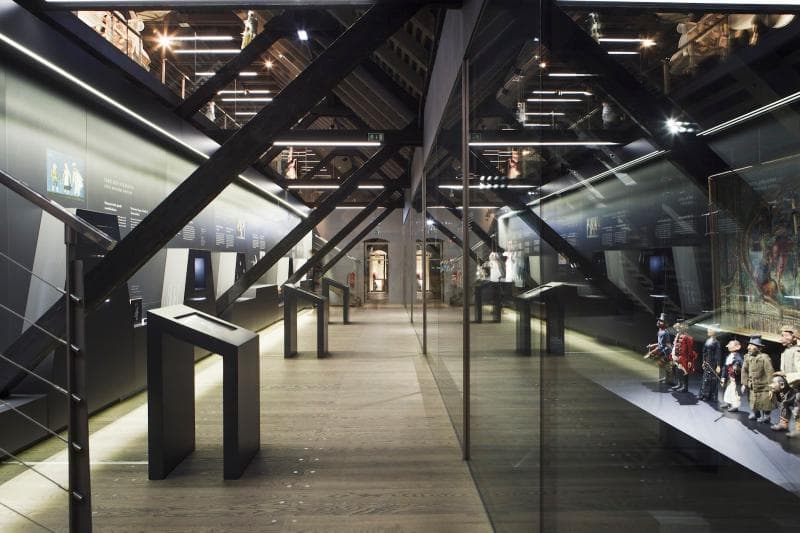
Explore the Puppet Museum at Ljubljana Castle, Slovenia, an engaging tribute to over a century of Slovenian puppetry history and art.
Overview
Nestled within the ancient walls of Ljubljana Castle, high above Slovenia's charming capital, lies the Puppet Museum. This unique cultural institution, a collaborative effort between the Ljubljana Puppet Theatre and Ljubljana Castle, opened its doors in May 2015, offering a captivating journey into the world of puppetry. It is more than just a collection; it is a vibrant space dedicated to preserving and celebrating Slovenia's rich puppetry heritage, which holds significant cultural importance.
The museum's permanent exhibition, located above the Estates Hall, guides visitors through the most important milestones of Slovenian puppetry history and showcases various puppetry techniques. Beyond passive viewing, the museum encourages active participation, allowing guests to try their hand at puppetry skills in the Castle Theatre. A truly distinctive feature is the 'Puppet Path,' an artistic installation with mechanically operated puppet scenes, which playfully links Krek Square in the city below to the castle, symbolizing the connection between the Ljubljana Puppet Theatre and the castle itself.
History & Cultural Background
Slovenia boasts a puppetry tradition that spans over a century, deeply embedded in its cultural fabric. The Puppet Museum was established to honor the nation's esteemed puppet artists and its long-standing tradition, marking a pioneering effort to systematically research, preserve, and exhibit the material history of Slovene puppetry.
The roots of Slovenian puppetry trace back to the early 20th century, with painter Milan Klemenčič (1875–1957) recognized as its founding father. He established his own puppet theatre, laying the groundwork for future generations. Between the two World Wars, puppet theatres flourished, particularly popularized by the Sokol movement. The international significance of Ljubljana's puppetry scene was underscored in 1933 when the city hosted the UNIMA congress, an international puppet association gathering. Following World War II, the Ljubljana Puppet Theatre was officially established in 1948, becoming a central pillar of the art form.
Today, the museum houses an extensive national collection comprising approximately 6000 artifacts, including over 3000 puppets. These treasures include legacies from influential figures such as Milan Klemenčič, Dr. Niko Kuret, and Jože Pengov, all integral to Slovenian cultural heritage. In recognition of its innovative approach and cultural significance, the Puppet Museum at Ljubljana Castle received a special award from the Network of European Museum Organisations in 2018.
What Makes It Special
The Puppet Museum's distinctiveness stems from several elements, starting with its dramatic setting within Ljubljana Castle. This historic backdrop creates an immersive experience, blending ancient architecture with whimsical artistry.
The museum is highly interactive; visitors are not merely observers but are invited to engage directly with the art form. The opportunity to manipulate puppets and experiment with various techniques in the Castle Theatre transforms a static visit into a dynamic, hands-on learning adventure. The 'Puppet Path' is another highlight, an enchanting open-air exhibition featuring mechanical puppet scenes that visually and symbolically connect the city to the castle and the theatre to the museum.
The permanent exhibition, titled 'Images of Slovenian Puppetry Art, 1910-1990,' offers a comprehensive overview, meticulously displaying a rich array of artifacts, set designs, drawings, and, of course, the puppets themselves, from string puppets to hand puppets and shadow puppets. Beyond its public displays, the museum serves as a vital center for research, conservation, and restoration, actively working to preserve Slovenia's puppetry heritage for future generations. It also provides tailored educational programs and guided tours, enriching the cultural understanding for diverse audiences.
Stories, Fun Facts & Local Details
The museum holds countless stories within its collection. For instance, the miniature puppets created by Milan Klemenčič, the patriarch of Slovenian puppetry, were so compelling that they inspired contemporary artists, including French director Renaud Herbin, whose show 'Open the Owl' drew directly from this Slovenian tradition.
The museum's creation itself is a story of dedication, fueled by the donation of significant private collections, such as that of Klemenčič's daughter, ensuring these historical artifacts are accessible to the public. Visitors might notice the intentional dim lighting within the museum spaces; this design choice refrains from replicating a traditional theatre stage, instead giving each puppet its own spotlight and emphasizing its artistic merit in an abstract setting. The Castle Theatre frequently stages performances, often presenting revised versions of classic Slovenian puppet shows, offering a living link to the past.
The diversity of the collection is a testament to the creativity of Slovenian puppeteers, showcasing everything from intricate string puppets to expressive hand and shadow puppets. For curious visitors, audio guides are available in many languages, providing deeper insights into each exhibit and the broader narrative of Slovenian puppetry.
Visitor Perspective
A visit to the Puppet Museum is an enriching experience designed to captivate both young and old. Travelers consistently find it to be a fascinating addition to their Ljubljana Castle exploration, offering a unique cultural lens through which to view Slovenia.
The museum's interactive nature allows visitors to move beyond passive observation. Guests can engage directly with the exhibits, touching certain puppets, listening to excerpts of music from historical shows, and, most excitingly, trying their own hand at manipulating puppets. This hands-on approach makes the history and techniques of puppetry tangible and memorable.
Accessibility to the museum, located within the castle, is convenient, with options including a funicular railway from the city center or various scenic footpaths. Whether exploring independently with an audioguide or joining a guided tour, especially beneficial for groups seeking a more detailed narrative, the museum provides a welcoming and insightful journey into a cherished Slovenian art form.
Coordinates: 14.50852, 46.04863
View on Google Maps💬 How Travelers Describe This Place
Based on community votes
Photogenic
971Interesting
594Must See
516Unique
301Beautiful
82
Traveler Stories
Discover memorable experiences shared by travelers who have visited this place.
No traveler stories yet.
Be the first traveler to share what made this place memorable.

Tour
By
Spot
Discover amazing places around the world. Your journey starts here.
Explore
© 2026 TourBySpot. All rights reserved.