Public Plaza
Lyon, France
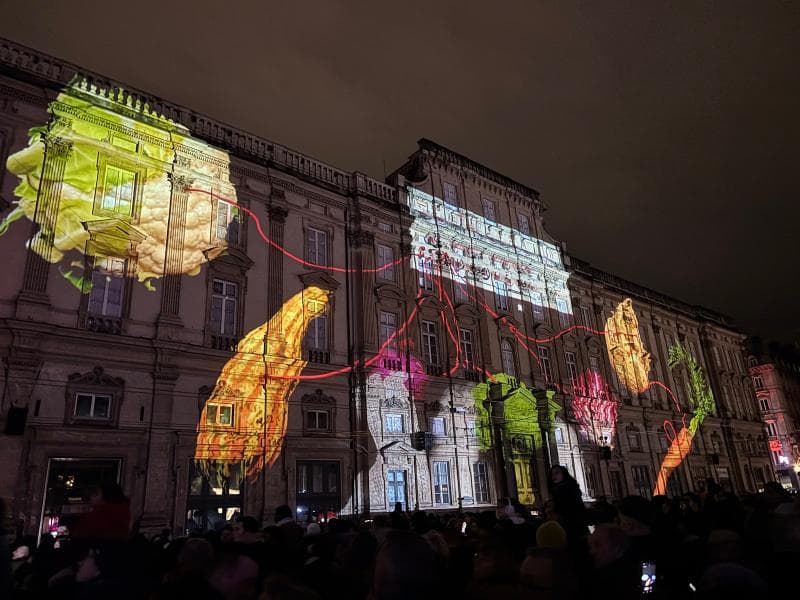
Explore Place des Terreaux in Lyon, France—a UNESCO World Heritage site. Discover its rich history, the iconic Bartholdi Fountain, and surrounding museums.
Overview
Place des Terreaux, an iconic public square nestled in the heart of Lyon, France, serves as a vibrant crossroads of history, art, and daily life. Situated in the 1st arrondissement, on the Presqu'île peninsula between the Rhône and Saône rivers, and at the foot of the Croix-Rousse hill, this grand rectangular plaza is a designated UNESCO World Heritage site. It is bordered by several significant architectural masterpieces, including the majestic Hôtel de Ville (City Hall) to the east and the renowned Musée des Beaux-Arts (Museum of Fine Arts) to the south. At its northern end stands the spectacular Bartholdi Fountain, adding a touch of artistic grandeur to the bustling space.
History & Cultural Background
The history of Place des Terreaux dates back to the 13th century, long before its current appearance. Originally, the area was part of the city's defensive fortifications, characterized by medieval ditches and muddy ramparts. The name 'Terreaux' itself derives from these ancient earthen defenses, with historical records referring to it as 'Terralia Nova' ('new pit of earth and water') or 'Fossés de la Lanterne'. These ditches served not only as a protective barrier but also as a training ground for crossbowmen.
A significant conflict in the 13th century between the city's bourgeois merchants and the ecclesiastical powers regarding taxes spurred the construction of a defensive wall. By the 16th century, these walls crumbled, and the ditches were gradually filled in, paving the way for the square's development. In the 17th century, the area transformed into the public square we know today. The Hôtel de Ville, an impressive example of classical architecture, was constructed between 1646 and 1651, later rebuilt by Jules Hardouin-Mansart after a fire in 1674. Simultaneously, the former Saint-Pierre Abbey, which now houses the Musée des Beaux-Arts, was rebuilt between 1659 and 1687.
Place des Terreaux also holds a darker chapter in its history. During the French Revolution, the square became a site for public executions, with the guillotine installed here. Records indicate that 79 people were beheaded after the siege of Lyon, underscoring its role in tumultuous periods. The square underwent a major redevelopment in 1994, led by architect Christian Drevet and artist Daniel Buren, which introduced 69 (or 44) water jets and 14 (or 15) pillars, a redesign that initially sparked some debate among Lyonnais residents.
What Makes It Special
At the heart of Place des Terreaux's allure is the magnificent Bartholdi Fountain. Crafted by Frédéric Auguste Bartholdi, the renowned sculptor behind New York's Statue of Liberty, this monumental work was unveiled in 1889. The fountain depicts a powerful chariot led by four horses, originally symbolizing the Garonne River and its four tributaries vigorously plunging into the ocean. Interestingly, it was initially commissioned by the city of Bordeaux but was deemed too expensive and rejected, leading Lyon to acquire it in 1890. Weighing 21 tons and standing 4.85 meters high, the lead sculpture on an iron frame underwent a significant restoration in 2018, bringing it back to its original splendor.
Flanking the square are two other architectural gems. The Hôtel de Ville stands as a testament to 17th-century classical design, its grand facade reflecting centuries of civic importance. Opposite, the Musée des Beaux-Arts is housed within a splendid former Benedictine abbey from the 17th century. Often referred to as 'the little Louvre,' it boasts one of France's richest and most diverse art collections, spanning ancient Egyptian antiquities to modern art. The square's inclusion as part of a UNESCO World Heritage site further highlights its profound cultural and historical significance.
Stories, Fun Facts & Local Details
Beyond its grand monuments, Place des Terreaux is rich with intriguing stories and local character. The very name 'Terreaux,' derived from its past as defensive muddy ditches, ('Terralia Nova' or 'Fossés de la Lanterne') offers a glimpse into Lyon's medieval defensive strategies. The square's history as a site of public executions, particularly during the French Revolution, serves as a stark reminder of its role in pivotal historical moments.
A notable anecdote involves the Bartholdi Fountain. The fact that this impressive masterpiece, designed by the creator of the Statue of Liberty, was originally rejected by Bordeaux before finding its home in Lyon adds a unique twist to its story. The 1994 redesign by Daniel Buren, featuring 69 water jets, was initially controversial among Lyonnais, yet it has become a defining feature of the modern square. Furthermore, the area around Place des Terreaux is a starting point for exploring Lyon's famous 'traboules,' hidden passageways that were historically used by silk workers. These traboules also played a clandestine role during World War II, providing routes for the French Resistance and unfortunately witnessing arrests during the German occupation. Annually, during Lyon's spectacular Festival of Lights, the buildings surrounding the square come alive with dazzling light projections, transforming the entire space into a magical tableau.
Visitor Perspective
For any traveler to Lyon, Place des Terreaux offers a quintessential experience. It serves as a lively and central meeting point, perpetually buzzing with activity from locals and tourists alike. The square's surrounding cafés provide an ideal setting to relax, enjoy a coffee, and simply soak in the vibrant atmosphere, observing the flow of city life. Its strategic location makes it an excellent starting point for exploring Lyon's Presqu'île district, with its network of shopping streets, restaurants, and other cultural attractions.
A visit to the Musée des Beaux-Arts is highly recommended to delve into its extensive collections, while the Hôtel de Ville, though primarily an administrative building, impresses with its historical facade. The square is particularly enchanting after dusk, when the surrounding historic buildings and the Bartholdi Fountain are beautifully illuminated, offering a captivating spectacle. Whether for its rich history, artistic masterpieces, or its role as a lively urban hub, Place des Terreaux promises a memorable and engaging experience, embodying the very spirit of Lyon.
Coordinates: 4.8335, 45.7675
View on Google Maps💬 How Travelers Describe This Place
Based on community votes
Photogenic
869Beautiful
445Unique
416Must See
141Interesting
33
Traveler Stories
Discover memorable experiences shared by travelers who have visited this place.
No traveler stories yet.
Be the first traveler to share what made this place memorable.

Tour
By
Spot
Discover amazing places around the world. Your journey starts here.
Explore
© 2026 TourBySpot. All rights reserved.