Public Parks
Phnom Penh, Cambodia
Discover the vibrant public parks of Sisowath Quay in Phnom Penh, Cambodia. Explore riverside green spaces, cultural landmarks, and local life.
Overview
Along the bustling banks of the Tonle Sap River, where it gracefully converges with the mighty Mekong, lies Sisowath Quay in Phnom Penh, Cambodia. This iconic three-kilometer riverside promenade is not merely a thoroughfare but a vibrant tapestry of public parks and green spaces that serve as the city's pulsating heart. It is a cherished spot where the city's rhythms unfold, offering residents and visitors alike a refreshing escape amidst manicured gardens and open-air recreational areas. The 'Public Parks' of Sisowath Quay represent a collection of these welcoming green havens, providing serene vistas, opportunities for relaxation, and a dynamic social hub for people from all walks of life.
History & Cultural Background
Sisowath Quay bears the name of King Sisowath, a revered Cambodian monarch who reigned in the early 20th century. Its development under French protectorate rule, beginning in 1889, transformed what was once a dirt path along the riverbank into a wide, elegant promenade. This colonial urban planning aimed to open the city to the water, establishing a significant artery bordered by public buildings, shops, and extended pedestrian areas. Over the decades, the quay has silently witnessed Phnom Penh's evolution from a colonial town to a vibrant capital, maintaining its role as the city's riverine showcase. Culturally, it holds deep significance, serving as a traditional viewing point for spectacular events like the annual Water Festival, where spirited boat races captivate onlookers.
What Makes It Special
The public parks along Sisowath Quay are distinguished by their idyllic setting at the confluence of two major rivers, offering breathtaking panoramic views that are particularly magical during sunset. The promenade is lined with graceful palm trees, providing shade and a tropical ambiance. Visitors can stroll along well-maintained paths, encountering an impressive alley of flags representing various countries, which adds a festive and international touch. The Quay's proximity to some of Phnom Penh's most significant cultural landmarks, including the majestic Royal Palace, the revered Silver Pagoda, and the National Museum of Cambodia, makes it a natural gateway to the country's rich heritage.
Stories, Fun Facts & Local Details
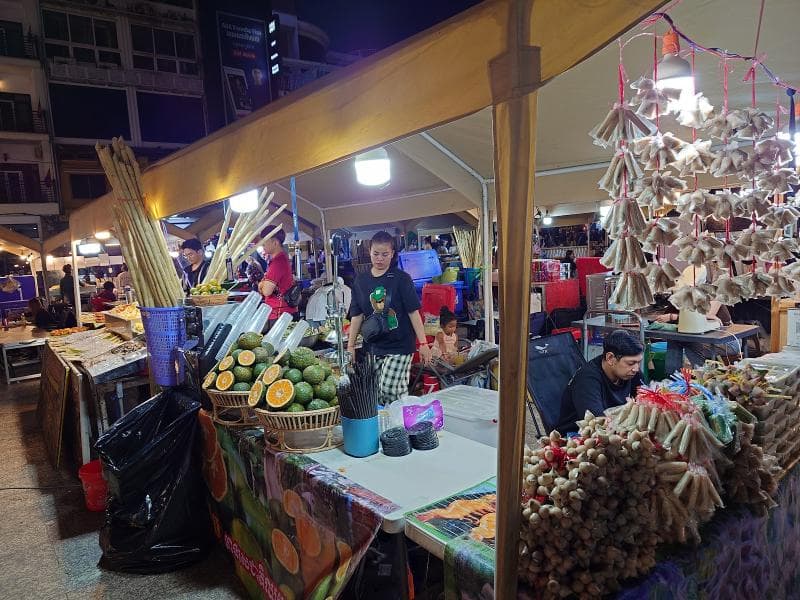
Every morning, the public spaces of Sisowath Quay awaken with a life-affirming energy as locals engage in exercise routines to lively music, creating a unique and vibrant start to the day. Throughout the day, the parks offer a glimpse into everyday Cambodian life. Families gather for leisurely strolls, often bringing food and drinks for informal picnics. Street vendors add to the lively atmosphere, offering an array of local delicacies and snacks. It's not uncommon to witness traditional bird release ceremonies, a practice believed to bring good luck, or to encounter fortune tellers offering insights into the future. The architecture along the quay beautifully blends French colonial styles with traditional Khmer designs, telling a visual story of the city's past and present.
Visitor Perspective
For the curious traveler, the public parks of Sisowath Quay offer a wonderfully accessible and enriching experience. Entry is free, inviting everyone to immerse themselves in the local atmosphere at any time of day or night. It's an ideal spot for a relaxing walk, people-watching, and soaking in the cool river breeze. The evening hours are particularly lively as the heat subsides, and both locals and tourists emerge to enjoy the vibrant scene. Whether you seek a peaceful moment under the shade of a palm tree, a front-row seat to a spectacular sunset, or a chance to connect with the authentic pulse of Phnom Penh, the public parks along Sisowath Quay provide a memorable and genuinely Cambodian experience.
Coordinates: 104.929168701, 11.572543144
View on Google Maps💬 How Travelers Describe This Place
Based on community votes
Unique
915Photogenic
873Beautiful
123Must See
74Interesting
53
Traveler Stories
Discover memorable experiences shared by travelers who have visited this place.
No traveler stories yet.
Be the first traveler to share what made this place memorable.

Tour
By
Spot
Discover amazing places around the world. Your journey starts here.
Explore
© 2026 TourBySpot. All rights reserved.