Public Beaches
Nice, France
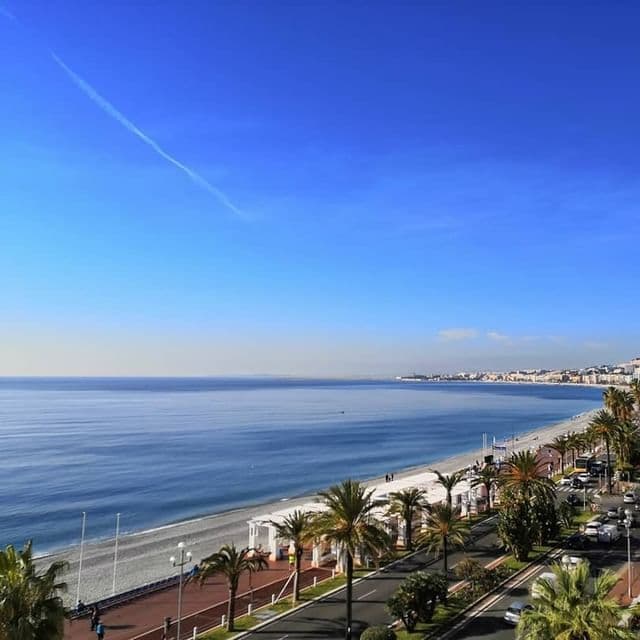
Discover Nice, France's public beaches along Promenade des Anglais. Enjoy crystal-clear waters and unique pebble shores on the French Riviera.
Overview
Stretching gracefully along the shimmering expanse of the Baie des Anges (Bay of Angels) in Nice, France, the public beaches of the Promenade des Anglais offer a quintessential Mediterranean experience. This iconic 7-kilometer (4.3-mile) waterfront promenade is home to a series of free, accessible public beaches interspersed among private beach clubs. While one might expect golden sands, the beaches here are famously composed of smooth, grey and white pebbles, locally known as 'galets'.
These public stretches provide an authentic Riviera atmosphere, attracting both locals and visitors seeking to soak up the sun and enjoy the crystal-clear waters of the Mediterranean. Many of these free beaches are equipped with essential amenities, including fresh-water showers and water taps, with some central locations even offering portable WCs during the bustling summer months. From the lively central areas to quieter spots further west, the public beaches cater to diverse preferences, offering a casual and inviting environment for everyone to enjoy Nice's stunning coastline.
History & Cultural Background
The story of the Promenade des Anglais and its adjacent beaches is deeply interwoven with Nice's evolution as a celebrated resort town. Its origins trace back to the early 19th century when wealthy English aristocrats, drawn to the mild winter climate of Nice, sought a comfortable pathway along the rugged coastline. In the 1820s, a particularly harsh winter led Reverend Lewis Way and other members of the English community to fund the construction of a pedestrian walkway. This initiative not only provided employment for the local populace but also created a picturesque route for leisurely strolls.
Initially dubbed the 'Camin deis Anglés' (Walkway of the English) by the Niçois in their native dialect, the pathway was later expanded and officially renamed the Promenade des Anglais after Nice became part of France in 1860. Over the decades, the Promenade grew in prominence, attracting artists, writers, and royalty, and solidifying Nice's reputation as a glamorous destination. The beaches themselves, always open to the public, became integral to this vibrant cultural landscape, serving as a backdrop for both everyday life and grand events along 'La Prom', as locals affectionately call it.
What Makes It Special
What truly sets the public beaches of the Promenade des Anglais apart is their unique blend of natural beauty and urban accessibility. The most distinctive feature is undoubtedly the 'galets' – the smooth, rounded pebbles that line the shore. Far from being a hindrance, locals often express a preference for these stones over sand, finding them cleaner and less intrusive, as they don't cling to bathing suits or track into homes. This pebbled terrain contributes to the remarkable clarity of the Mediterranean water, making for an inviting swimming experience in the azure Baie des Anges.
The seamless integration of the beaches with the grand Promenade, a UNESCO World Heritage site, creates a magnificent setting where the charm of Belle Époque architecture meets the natural splendor of the French Riviera. The juxtaposition of free public access with luxurious private beach clubs offers visitors a spectrum of experiences, from a simple towel on the pebbles to upscale amenities. This vibrant stretch of coastline remains a central hub of activity, where the rhythmic sound of the waves complements the bustling life of Nice.
Stories, Fun Facts & Local Details
The Promenade des Anglais and its beaches are steeped in local lore and practical insights. A fun fact for first-time visitors is the local's embrace of the 'galets'. While some might initially find them unusual, the Niçois value their cleanliness and the clear waters they afford. For comfort, a common local tip is to bring water shoes and a foldable beach mat, which make traversing the pebbles and relaxing on the shore much more enjoyable.
Certain public beaches along the Promenade hold their own distinct character. For instance, Plage du Centenaire and Plage Carras are known for their excellent accessibility for visitors with disabilities, offering specialized assistance and facilities. Plage Lenval and Plage de Carras are also notable for being pet-friendly, allowing dog owners to enjoy the seaside with their companions. Historically, the stunning light and views of the Baie des Anges captivated numerous artists, including the renowned Henri Matisse, who spent significant time in Nice and whose views of the bay are depicted in many of his works. The Promenade is affectionately known as 'La Prom' by those who live here, highlighting its central role in daily life and local identity.
Visitor Perspective
For a curious traveler, the public beaches of the Promenade des Anglais offer an authentic and unpretentious gateway to the Riviera lifestyle. They are an ideal choice for budget-conscious visitors or anyone who prefers a casual, social beach atmosphere. While these beaches can become quite lively and crowded, especially during the peak summer months, their extensive length means that quieter spots can often be found, particularly towards the western end of the Promenade.
Visitors can spread their towels freely, enjoy refreshing swims in the clear Mediterranean, and make use of the public showers. It's a place where families gather, friends chat, and solo travelers find a peaceful moment gazing at the horizon. The backdrop of the bustling Promenade, with its cyclists, joggers, and passersby, creates a dynamic and uniquely Niçois seaside experience. These public beaches truly embody the spirit of Nice: open, vibrant, and welcoming to all who wish to enjoy the beauty of the Côte d'Azur.
Coordinates: 7.2408, 43.6877
View on Google Maps💬 How Travelers Describe This Place
Based on community votes
Unique
981Interesting
617Must See
565Photogenic
357Beautiful
28
Traveler Stories
Discover memorable experiences shared by travelers who have visited this place.
No traveler stories yet.
Be the first traveler to share what made this place memorable.

Tour
By
Spot
Discover amazing places around the world. Your journey starts here.
Explore
© 2026 TourBySpot. All rights reserved.