Provincial Pavilions
Jakarta, Indonesia
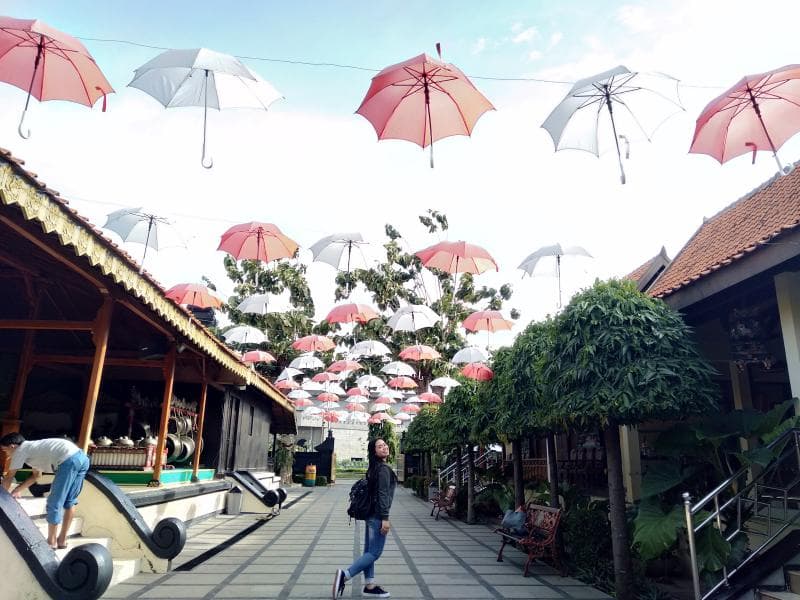
Explore the Provincial Pavilions at Taman Mini Indonesia Indah, Jakarta. Discover Indonesia's diverse cultures, architecture, and traditions in one park.
Overview
Nestled in East Jakarta, Indonesia, the Provincial Pavilions at Taman Mini Indonesia Indah (TMII) offer a captivating journey through the diverse cultural landscape of the Indonesian archipelago. Spanning approximately 147-150 hectares, TMII is much more than a theme park; it is a meticulously curated miniature representation of the nation's rich heritage. The Provincial Pavilions, locally known as 'Anjungan Daerah', stand as the heart of this sprawling cultural complex, showcasing the unique architectural styles, traditions, and artistic expressions of every province. Visitors can virtually traverse Indonesia, experiencing its vastness and unity in diversity, all within a single location. Established with a vision to cultivate national pride and understanding, TMII and its pavilions serve as an invaluable educational and recreational destination for both locals and international travelers.
History & Cultural Background
The ambitious concept of Taman Mini Indonesia Indah was conceived by Indonesia's former First Lady, Siti Hartinah, affectionately known as Ibu Tien Suharto. Her vision, articulated on March 13, 1970, was to create a place where Indonesians could embrace and appreciate their collective heritage, fostering a stronger sense of national identity. The project, spearheaded by the Harapan Kita Foundation, commenced in 1972 and culminated in its grand inauguration on April 20, 1975. The core idea was to encapsulate the essence of Indonesia's provinces, showcasing their distinct 'rumah adat' (traditional houses), traditional attire, dance forms, and customs. Over the decades, as Indonesia's administrative map evolved, so too did TMII, with new pavilions added to represent emerging provinces. Originally featuring 26 provinces, the park now proudly displays the cultures of all 33-34 provinces, arranged thematically around a central lake designed to mirror the Indonesian archipelago. This thoughtful layout not only provides a geographical context but also symbolizes the nation's unity across its myriad islands.
What Makes It Special
What truly sets the Provincial Pavilions apart is their commitment to authenticity and detail. Each pavilion is a full-scale replica of a traditional house, built using original materials and techniques, providing an immersive experience into the architectural grandeur and cultural nuances of its represented province. Inside these magnificent structures, visitors will find intricate interior decorations, historical artifacts, traditional furniture, utensils, and regional costumes, offering a tangible glimpse into the daily life and artistic heritage of various ethnic groups. Beyond static displays, many pavilions come alive with vibrant cultural performances, including traditional dances, music, and puppet shows, often held on weekends. Some pavilions even offer the unique opportunity to savor regional culinary specialties, providing a delightful taste of Indonesia's diverse flavors, and feature souvenir shops where artisans showcase local handicrafts. This multi-sensory approach transforms a simple visit into a profound cultural immersion, allowing travelers to witness Indonesia's 'unity in diversity' firsthand.
Stories, Fun Facts & Local Details
The very existence of the Provincial Pavilions is a testament to a powerful national story – Ibu Tien Suharto's dream of unifying a vast and diverse nation. The park's design, with pavilions encircling a central miniature lake depicting Indonesia's islands, is a beautiful metaphor for this unity. It's fascinating to observe how the park has adapted to Indonesia's changing political geography; for instance, the former East Timor pavilion was thoughtfully converted into a museum after its secession, preserving its historical context. The ongoing revitalization of TMII, unveiled in 2023, introduces a 'new face' emphasizing sustainability ('green'), accessibility ('inclusive'), active cultural participation ('culture'), and digital engagement ('smart'). This modernization ensures that the pavilions continue to be relevant, offering interactive experiences and fostering a deeper connection to Indonesian heritage. Imagine sampling an authentic regional dish that is hard to find elsewhere, or witnessing a dance performance from a remote island, all within the bustling capital city – these are the unique moments the pavilions offer.
Visitor Perspective
For the curious traveler, exploring the Provincial Pavilions is an enriching yet extensive endeavor. A thorough visit to TMII, including the pavilions, typically requires 6-8 hours, so planning is essential. To make the most of the experience, consider visiting on weekday mornings when the weather is cooler and crowds are generally lighter, allowing for a more serene exploration. While walking is a rewarding way to discover the intricate details of each pavilion, the park offers various internal transportation options, including electric microbuses, aeromovels, and bicycle rentals. A ride on the cable car provides a breathtaking aerial perspective of the entire park, including the stunning miniature archipelago and the array of traditional houses below. Many pavilions also host cultural performances, particularly on Sundays, offering a dynamic and engaging insight into local traditions. The pavilions are not just tourist attractions; they serve as a vibrant educational resource, often welcoming school groups, and providing a unique opportunity for cultural discovery and appreciation within Jakarta's urban expanse.
Coordinates: 106.8964, -6.3019
View on Google Maps💬 How Travelers Describe This Place
Based on community votes
Must See
934Beautiful
276Photogenic
152Unique
30Interesting
16
Traveler Stories
Discover memorable experiences shared by travelers who have visited this place.
No traveler stories yet.
Be the first traveler to share what made this place memorable.

Tour
By
Spot
Discover amazing places around the world. Your journey starts here.
Explore
© 2026 TourBySpot. All rights reserved.