Prosthetics Workshop
Vientiane, Laos
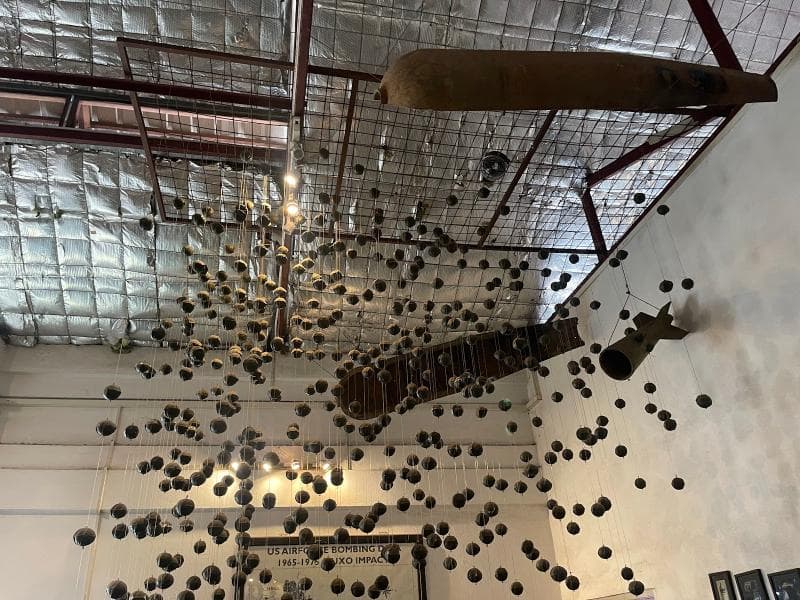
Discover the Prosthetics Workshop at COPE Visitor Centre, Vientiane, Laos, learning about UXO's impact and empowering rehabilitation.
Overview
The Prosthetics Workshop, nestled within the COPE Visitor Centre in Vientiane, Laos, serves as a poignant reminder of the country's past and an inspiring testament to human resilience. COPE, which stands for Cooperative Orthotic and Prosthetic Enterprise, is a Lao-based, non-profit organization dedicated to providing rehabilitation services and mobility devices to people with disabilities, a significant number of whom are survivors of unexploded ordnance (UXO). The visitor centre itself is more than just an exhibition space; it's an educational hub designed to raise global awareness about the enduring impact of the 'Secret War' and the vital work COPE undertakes. Visitors can gain a deep understanding of the challenges faced by those affected by UXO and other mobility-related disabilities, while also witnessing the innovative solutions and compassionate care provided by the workshop.
Entry to the COPE Visitor Centre is free, with donations warmly welcomed to support its ongoing mission. It houses interactive exhibits, documentary screenings, and a gift shop and café, all contributing to the sustainability of COPE's programs. The Prosthetics Workshop is a central, compelling feature, offering direct insight into the creation of artificial limbs and mobility aids that empower individuals to regain independence.
History & Cultural Background
Laos carries the tragic distinction of being the most heavily bombed country per capita in history. Between 1964 and 1973, during what is known as the 'Secret War' in parallel with the Vietnam War, the United States dropped over two million tons of ordnance on Laos. An estimated 80 million cluster bomblets failed to detonate upon impact, lying dormant and lethal across the landscape. These unexploded remnants, or UXO, continue to cause injury and death, particularly in rural areas where farming communities unknowingly encounter them.
In response to this ongoing humanitarian crisis, COPE was founded in 1997. It was established in partnership with the Lao Ministry of Health, building upon the foundation of the Centre for Medical Rehabilitation (CMR) which had been providing services since 1963. COPE's mission was, and remains, to offer free prosthetic and orthotic services, along with comprehensive rehabilitation, to thousands of people, including a significant proportion of UXO survivors. The COPE Visitor Centre opened its doors in 2008, specifically to increase awareness about disabilities in Laos and to highlight the life-changing work being performed.
What Makes It Special
The Prosthetics Workshop within the COPE Visitor Centre is special because it vividly connects a complex historical narrative with tangible, life-changing solutions. Unlike a traditional museum, it offers a window into a working medical facility, showcasing how modern prosthetic limbs and orthotic devices are crafted. Visitors can observe the process, from the materials used to the skilled techniques employed by local technicians, providing robust, individually-made, and low-cost devices often utilizing polypropylene.
The centre thoughtfully integrates the technical aspects of prosthetics with the deeply human stories of those who benefit from them. Displays feature a striking collection of actual prosthetic limbs – some handmade from scrap materials by villagers, others the more advanced designs produced by COPE – emphasizing the journey of recovery and empowerment. This juxtaposition creates a powerful and empathetic experience, making the abstract issue of UXO contamination incredibly personal and understandable.
Stories, Fun Facts & Local Details
The statistics surrounding UXO in Laos are staggering: approximately 270 million sub-munitions were dropped, and roughly 80 million failed to explode. Since 1964, over 50,000 Laotians have been injured or killed by UXO incidents, with over 40% of post-conflict victims being children. Farmers cultivating their land and children playing are tragically common victims. The immense economic pressure often drives people to collect scrap metal from bomb casings, a dangerous activity that can lead to further accidents.
The COPE Visitor Centre itself is designed to tell this story compellingly. It features artistic installations made from discarded bomb casings, such as sculptures of stacked ordnance in the courtyard or the iconic 'COPE' sign crafted from used prosthetic feet. The 'Cave Cinema' is a unique screening room, designed to resemble the underground bunkers used during the war, showing powerful documentaries about UXO clearance and survivor experiences. These details provide a strong emotional connection, making the visit profoundly impactful and memorable.
Visitor Perspective
Many travelers describe a visit to the COPE Visitor Centre as one of the most moving and informative experiences in Vientiane. The atmosphere is deliberately understated, focusing on education and human stories rather than sensationalism. It offers a quiet space for reflection, helping visitors grasp the significant historical context and ongoing challenges facing Laos. The facility is well-maintained and air-conditioned, providing a comfortable environment for learning.
Beyond the workshop and exhibits, the centre includes the Karma Cafe, serving refreshments, and a gift shop, both of which funnel all profits directly back into COPE's programs, supporting patient treatment and rehabilitation costs. This allows visitors to contribute directly to the cause, making their experience not only educational but also an act of meaningful support. The centre is easily accessible in central Vientiane, making it a highly recommended stop for anyone seeking a deeper understanding of Lao history, resilience, and humanitarian efforts.
Coordinates: 102.620372, 17.95775
View on Google Maps💬 How Travelers Describe This Place
Based on community votes
Interesting
674Must See
546Unique
503Beautiful
92Photogenic
49
Traveler Stories
Discover memorable experiences shared by travelers who have visited this place.
No traveler stories yet.
Be the first traveler to share what made this place memorable.

Tour
By
Spot
Discover amazing places around the world. Your journey starts here.
Explore
© 2026 TourBySpot. All rights reserved.