Prison Cells
Marseille, France
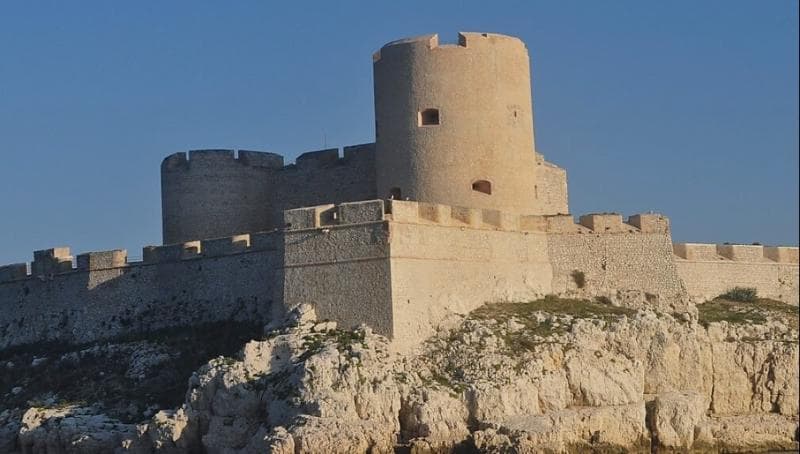
Explore the historic prison cells of Château d'If in Marseille, France, famed by 'The Count of Monte Cristo' and centuries of real captivity.
Overview
Off the picturesque coast of Marseille, France, stands the formidable Château D’If, a fortress turned infamous state prison. While the island itself is a captivating sight, it is the 'Prison Cells' within its walls that hold the deepest fascination for visitors. This sub-spot within the historic monument offers a stark journey into centuries of confinement, injustice, and the human will to survive. Its isolated location in the Mediterranean, coupled with strong offshore currents, made escape virtually impossible, cementing its reputation as an unyielding place of detention. Today, these cells serve as a poignant reminder of its dark past, drawing travelers into a compelling narrative that blurs the lines between historical fact and enduring literary legend.
History & Cultural Background
Initially conceived as a military fortress by King Francis I between 1524 and 1531 to protect Marseille from sea-borne invasions, the Château D’If quickly found a new, more sinister purpose. By the 1540s or 1580s, its strategic isolation made it an ideal state prison. Over the centuries, it incarcerated a diverse array of individuals, primarily political opponents, religious dissenters, and revolutionaries. Notable real-life prisoners included Honoré Mirabeau, a key figure of the French Revolution, and Jean-Baptiste Chataud, accused of bringing the plague to Marseille. More than 3,500 Huguenots, French Calvinist Protestants, passed through its cells after 1685, many facing dire conditions before transfer to royal galley fleets. The prison system at Château D’If was stratified by wealth; affluent inmates could pay for 'pistole' cells, which offered relative comfort with windows and even fireplaces on upper floors. In stark contrast, the less fortunate were crammed into the 'cachots'—dark, damp, and unsanitary dungeons carved into the rock, where survival was often measured in weeks or months. The fortress ceased its function as a prison towards the end of the 19th century and was opened to the public in 1890, transforming from a place of dread into a historical landmark.
What Makes It Special
The true allure of the Prison Cells at Château D’If lies in their raw authenticity and the powerful dichotomy they present. Visitors can experience the stark difference between the cramped, windowless subterranean dungeons and the 'pistole' cells on higher levels, which, though still prisons, offered glimpses of the sky and sea. What truly sets these cells apart is the tangible evidence of human struggle: the walls are etched with centuries-old graffiti left by actual prisoners, offering a direct, moving connection to their lives, hopes, and despair. Beyond its historical significance, Château D’If is inextricably linked to literary genius as the primary setting for Alexandre Dumas's iconic novel, 'The Count of Monte Cristo'. This powerful narrative, though fictional, has imbued the prison cells with an almost mythical status, transforming them into a place where history and imagination intertwine, captivating visitors from around the globe.
Stories, Fun Facts & Local Details
The Château D’If's most celebrated 'inmates,' Edmond Dantès and Abbé Faria from 'The Count of Monte Cristo,' are fictional characters, yet their story of resilience and revenge has made the prison globally famous. Visitors can explore cells theatrically designated as 'Edmond Dantès's cell,' even watching scenes from the movie adaptations within. Another popular legend suggests the 'Man in the Iron Mask' was held here, though this has been historically disproven. Real-life anecdotes, however, are equally compelling: Honoré Mirabeau, imprisoned by his father, reportedly seduced the canteen maid during his stay, showcasing a dash of defiance even in confinement. Intriguingly, even before the fortress stood, the island gained fame when a rhinoceros, en route from Portugal to Pope Leo X, was temporarily housed there, drawing curious crowds and even King Francis I. This unique blend of reality and folklore contributes to Château D’If often being referred to as 'Marseille's Alcatraz,' a testament to its formidable reputation and symbolic power.
Visitor Perspective
Visiting the Prison Cells of Château D’If offers a deeply atmospheric and thought-provoking experience. The journey begins with a scenic ferry ride from Marseille's Old Port, providing breathtaking views of the city and the Frioul archipelago as you approach the isolated island. Once inside, travelers can wander through the various cells, from the chilling, cramped dungeons to the more 'comfortable' pistole rooms, each telling a silent story of its former occupants. The preserved graffiti on the cell walls offers a profound, personal insight into the lives of those imprisoned, bridging the gap between past and present. Exhibitions within the château skillfully connect its tangible history with the enduring legend of 'The Count of Monte Cristo,' enriching the visit. From the upper levels and ramparts, visitors are rewarded with panoramic vistas of Marseille and the surrounding Mediterranean Sea, a stunning contrast to the solemnity of the cells below. The entire experience allows for quiet contemplation on themes of freedom, justice, and the power of narrative, leaving a lasting impression on every traveler.
Coordinates: 5.3251, 43.2799
View on Google Maps💬 How Travelers Describe This Place
Based on community votes
Must See
995Unique
929Photogenic
858Beautiful
730Interesting
275
Traveler Stories
Discover memorable experiences shared by travelers who have visited this place.
No traveler stories yet.
Be the first traveler to share what made this place memorable.

Tour
By
Spot
Discover amazing places around the world. Your journey starts here.
Explore
© 2026 TourBySpot. All rights reserved.