Presidential Palace
Hanoi, Vietnam
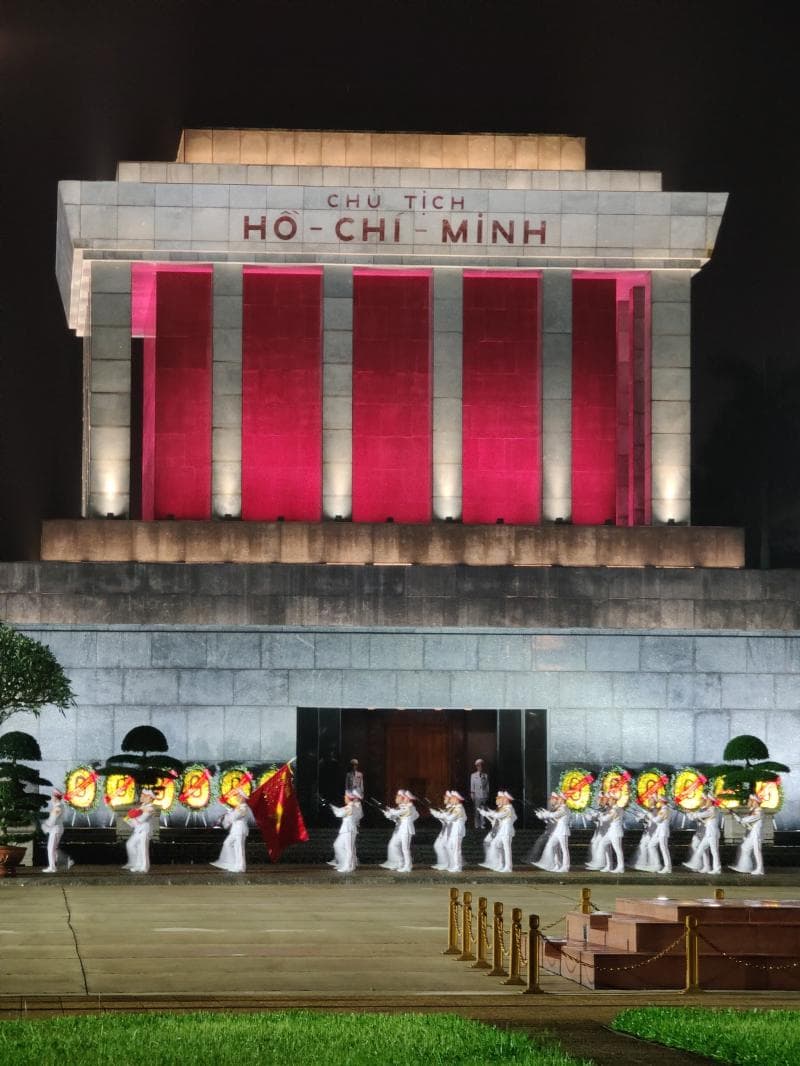
Explore Hanoi's Presidential Palace, a French colonial masterpiece, and Ho Chi Minh's humble stilt house in Vietnam. Discover history and cultural significance.
Overview
Nestled within the sprawling Ho Chi Minh Mausoleum Complex in Hanoi, Vietnam, the Presidential Palace stands as a striking testament to both colonial grandeur and revolutionary humility. This magnificent mustard-yellow edifice, designed in a prominent European architectural style, serves as the official residence and workplace of the President of Vietnam, primarily hosting state receptions and diplomatic gatherings. While its opulent interiors remain closed to public access, the palace's meticulously maintained grounds, featuring lush gardens and significant historical landmarks, offer visitors a profound glimpse into Vietnam's past. Among these, the humble stilt house of President Ho Chi Minh provides a powerful counterpoint to the palace's extravagance, telling a compelling story of leadership and personal sacrifice.
Completed in 1906, the Presidential Palace was once recognized as one of the world's most beautiful presidential palaces by Architectural Digest, highlighting its architectural significance and enduring appeal.
History & Cultural Background
The story of the Presidential Palace begins with its construction between 1900 and 1906, conceived by the French colonial administration. Originally, it was known as the Palace of the Governor-General of French Indochina, serving as the lavish headquarters and residence for 29 successive French Governor-Generals until the August Revolution of 1945.
Following Vietnam's declaration of independence in 1954, the palace was slated to become the official residence for the newly independent nation's leader, President Ho Chi Minh. However, in a move that would define his legacy of modesty and dedication to his people, Ho Chi Minh famously refused to live in the grandiose structure. He deemed it inappropriate to reside in such an opulent dwelling while his countrymen faced hardship and poverty. Instead, he chose a simple, traditional stilt house built within the palace grounds, where he lived and worked for the remainder of his life. This poignant decision transformed the palace from a symbol of colonial power into an enduring emblem of Vietnamese national pride and the revolutionary spirit.
What Makes It Special
The Presidential Palace is special not just for its impressive Beaux-Arts and Italian Renaissance-inspired architecture, characterized by its bright yellow facade, grand staircases, and wrought-iron gates, but for the stark philosophical contrast it presents. It stands as a powerful visual narrative: the European-style palace representing a colonial past, juxtaposed against Ho Chi Minh's unassuming wooden stilt house, symbolizing a future rooted in national identity and simplicity. This architectural dialogue tells a profound story of a leader who prioritized humility over grandeur, directly connecting with the struggles and aspirations of his people.
The grounds themselves are a tranquil oasis, featuring meticulously maintained orchards, a serene carp pond, and the famous 'Mango Alley' that leads directly to Ho Chi Minh's modest abode. These elements collectively contribute to a unique historical site that blends natural beauty with deep cultural significance.
Stories, Fun Facts & Local Details
President Ho Chi Minh resided in his two-room stilt house from 1958 until his passing in 1969. This simple dwelling, constructed from wood and bamboo, reflects his austere lifestyle and commitment to living in harmony with nature and his people. A beloved daily ritual for Uncle Ho was feeding the fish in the adjacent pond, a tranquil activity that offered a moment of respite from his demanding duties. The pond, home to various species like carp and tilapia, remains a peaceful feature of the complex.
Another significant spot within the complex is House 67, where Ho Chi Minh worked and stayed during his final illness, eventually passing away there on September 2, 1969. The living spaces and artifacts within the stilt house and House 54 have been carefully preserved, appearing much as they did during his lifetime, offering visitors an intimate look into the leader's personal world. These preserved details, from simple furnishings to everyday items, underscore his ideology of austerity and selfless service.
Visitor Perspective
While the main Presidential Palace building itself is not open for public entry, the surrounding historical complex, including Ho Chi Minh's stilt house, House 54, House 67, and the lush gardens, is accessible to visitors. Exploring these grounds offers a deeply immersive experience into the life and legacy of President Ho Chi Minh. A modest entrance fee, typically between 40,000 and 50,000 VND, is charged for foreign visitors.
The complex is generally open from morning to late afternoon, with specific hours varying slightly by season (e.g., 7:30–11:00 AM and 1:30–4:00 PM from April to October; 8:00–11:00 AM and 1:30–4:00 PM from November to March), and is usually closed on Mondays and sometimes Friday afternoons. As a site of national importance, visitors should be mindful of the dress code, which requires modest attire, and be prepared for security checks upon entering the broader Ho Chi Minh Mausoleum Complex. This peaceful and historically rich destination offers a unique opportunity to connect with Vietnam's compelling journey.
Coordinates: 105.83417, 21.03889
View on Google Maps💬 How Travelers Describe This Place
Based on community votes
Photogenic
1.0kUnique
869Must See
416Interesting
309Beautiful
33
Traveler Stories
Discover memorable experiences shared by travelers who have visited this place.
No traveler stories yet.
Be the first traveler to share what made this place memorable.

Tour
By
Spot
Discover amazing places around the world. Your journey starts here.
Explore
© 2026 TourBySpot. All rights reserved.