Portraits
Salzburg, Austria
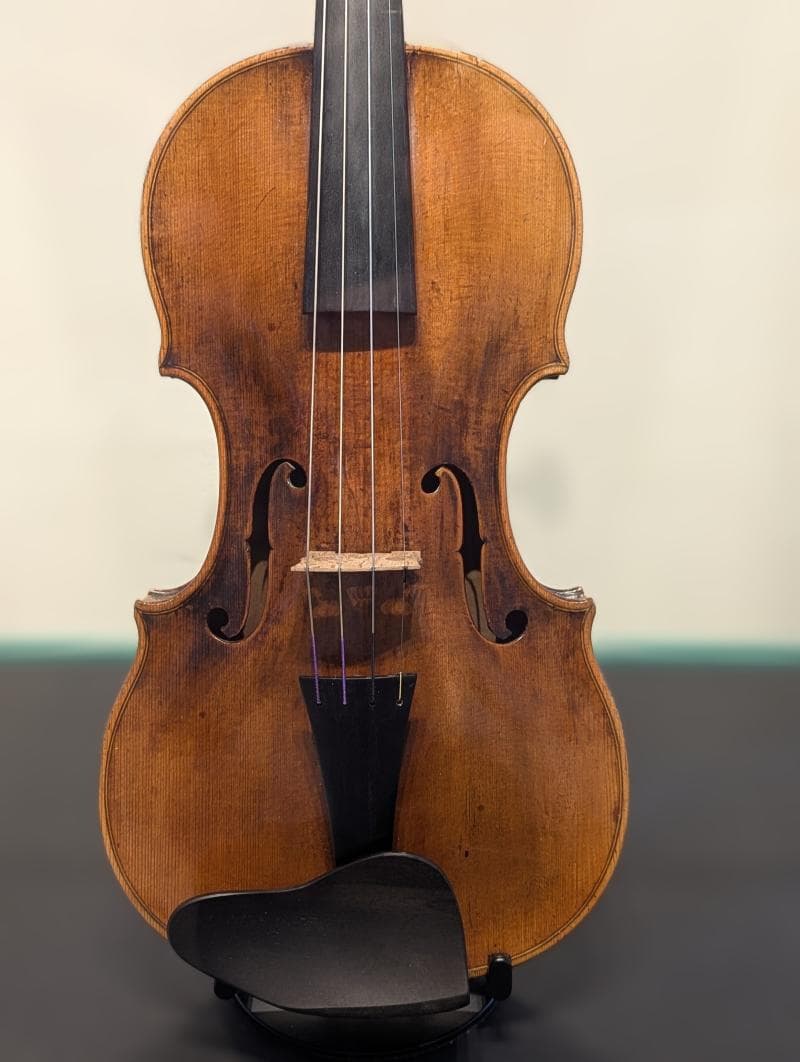
Explore the authentic portraits of the Mozart family at the Mozart Residence in Salzburg, Austria. Discover insights into their lives and era.
Overview
Stepping into the Mozart Residence in Salzburg, Austria, offers a profound journey into the private and public life of Wolfgang Amadé Mozart and his esteemed family. Located in the former Tanzmeisterhaus on Makartplatz, this museum not only preserves the family's living spaces but also curates a remarkable collection of portraits. These visual narratives provide an intimate glimpse into the personalities and relationships of one of history's most celebrated musical families. It is within these walls that visitors can connect directly with the faces behind the melodies, gaining a richer understanding of their world.
History & Cultural Background
The Mozart family made the Tanzmeisterhaus their home from 1773 to 1787, a significant period in Wolfgang Amadé's artistic development as he established himself as an independent composer. The spacious eight-room apartment on the second floor became the setting for family life, social gatherings, and much of Mozart's creative work. Originally, the family's birthplace on Getreidegasse had become too small to comfortably accommodate their growing needs and social standing. The house on Makartplatz, steeped in history since 1617, gained its 'Tanzmeisterhaus' moniker in 1713 due to the dancing lessons offered there. Tragically, two-thirds of the building was destroyed during an air raid on October 16, 1944. However, the International Mozarteum Foundation acquired the surviving portion and, through dedicated reconstruction true to the original plans, reopened the Mozart Residence as a museum on January 26, 1996. The collection of portraits, original documents, and Mozart's own pianoforte now form a central part of the museum's exhibits, offering a tangible link to the Baroque and Rococo periods when portrait painting was a crucial medium for documenting identity and status.
What Makes It Special
What truly distinguishes the 'Portraits' collection at the Mozart Residence is its comprehensive nature. The Mozart Museums of the International Mozarteum Foundation house the world's largest collection of authentic portraits of the Mozart family. This isn't merely a handful of paintings; it is a meticulously gathered ensemble that offers a true-to-life insight into the Mozart clan. Beyond their aesthetic value, these portraits serve as vital historical documents, often being the most reliable visual records we have of their appearance and demeanor. The museum's special exhibition, 'Mozart & Mozarts: A Journey through Mozart's Iconography,' further enriches the experience. It takes visitors on an intriguing exploration of Mozart iconography, delves into mysteries of forgery, and provides fascinating insights into the evolution of portrait painting from the Baroque era to Historicism. This critical approach allows for a deeper appreciation of the authenticity and significance of the displayed works, separating genuine historical representations from later romanticized or fabricated images.
Stories, Fun Facts & Local Details
Among the most treasured pieces is the 'Portrait of the Mozart Family,' traditionally attributed to Johann Nepomuk della Croce, created between late 1780 and early 1781. This iconic oil painting captures a rare moment: Wolfgang Amadé and his sister Maria Anna, known as Nannerl, are depicted playing a fortepiano, while their father Leopold stands with a violin. Poignantly, in the background, a framed portrait of their mother, Anna Maria, who had passed away in 1778, is also included, accompanied by a sculpture of Apollo. Nannerl herself considered this painting to be the most authentic depiction of her famous brother. The collection brings to life not just Wolfgang, but also other family members like his wife Constanze and his two sons, Carl Thomas and Franz Xaver Wolfgang. These portraits reveal details about their clothing, hairstyles, and surroundings, offering silent narratives about their lives. For instance, a portrait of young Wolfgang at age seven, donning a gala outfit presented by Empress Maria Theresa, tells a story of his early fame and the family's travels. Outside the direct portrait exhibits, visitors can also explore the 'Magic Flute House' in the residence's courtyard, a charming wooden cottage where Mozart is said to have composed parts of his famous opera, offering another fun layer to the family's history within these grounds.
Visitor Perspective
For any curious traveler, the 'Portraits' at the Mozart Residence offer an unparalleled opportunity for personal connection. Walking through the rooms where the family lived and seeing their faces preserved through art evokes a powerful sense of presence. It’s not just about seeing a painting; it's about seeing the eyes that observed 18th-century Salzburg, the expressions that accompanied discussions of music and family matters, and the visages that inspired some of the greatest compositions in history. The display of these authentic likenesses humanizes the genius, making Mozart and his family feel less like distant historical figures and more like relatable individuals. Visitors gain a tangible understanding of how they appeared, allowing for a more imaginative and empathetic engagement with their story. This section of the museum transforms historical facts into vivid encounters, fostering a deeper appreciation for the Mozarts' enduring legacy in the heart of Salzburg.
Coordinates: 13.043685507871526, 47.80257773426615
View on Google Maps💬 How Travelers Describe This Place
Based on community votes
Beautiful
965Photogenic
743Unique
629Must See
184Interesting
176
Traveler Stories
Discover memorable experiences shared by travelers who have visited this place.
No traveler stories yet.
Be the first traveler to share what made this place memorable.

Tour
By
Spot
Discover amazing places around the world. Your journey starts here.
Explore
© 2026 TourBySpot. All rights reserved.