Ponds
Osaka, Japan
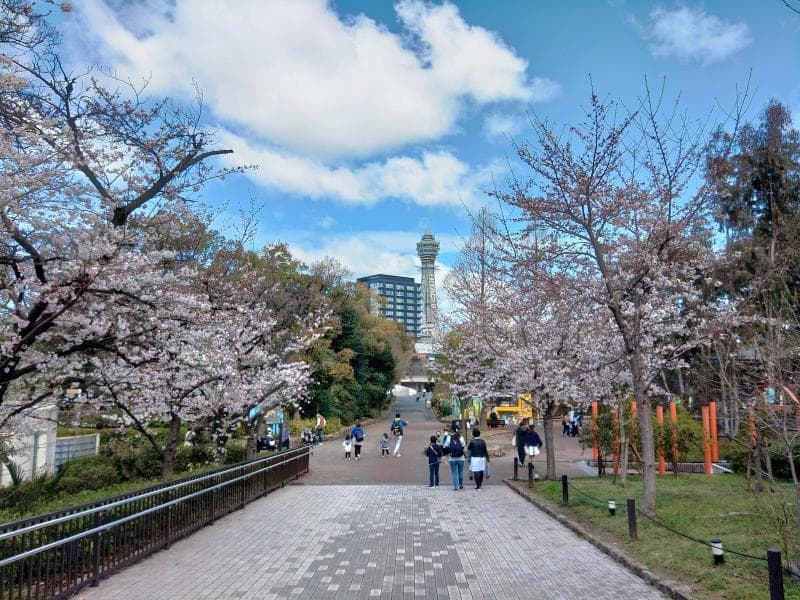
Discover the tranquil ponds of Keitakuen Garden, a historic Japanese strolling garden in Osaka, Japan. Find peace amidst nature and rich cultural heritage.
Overview
Nestled within the vibrant Tennoji Zoo & Park Area in Osaka, Japan, you'll discover a collection of serene water features, with the most notable being the exquisite Keitakuen Garden. This traditional Japanese strolling garden, often referred to as 'the ponds,' offers a tranquil escape from the bustling cityscape. It's a place where nature's artistry and meticulous design converge, inviting visitors to immerse themselves in a peaceful ambiance defined by its central pond, lush greenery, and carefully placed elements. While Tennoji Park itself boasts several water elements, Keitakuen Garden stands out as a distinct sub-spot, celebrated for its historical significance and natural beauty.
As you step into Keitakuen, you're greeted by a meticulously landscaped expanse centered around a sizable pond, providing a habitat for colorful koi fish and basking turtles. The garden's design encourages a leisurely exploration, offering picturesque views that change with every turn of the path, creating a truly immersive experience in a hidden oasis within Osaka.
History & Cultural Background
The history of Keitakuen Garden is deeply intertwined with Osaka's industrial past and the legacy of one of Japan's most prominent merchant families. Originally, this picturesque garden formed part of the main residence of the Sumitomo family, a powerful and wealthy merchant and industrialist dynasty that flourished in Osaka since the Edo period. The family, known for their copper mines on Shikoku island, made a significant cultural contribution by donating the garden and their estate to Osaka City in 1926.
The creation of Keitakuen was a monumental undertaking, designed by the renowned landscape architect Ogawa Jihei VII (also known as Ueji). He was a leading figure in modern Japanese garden design during the Meiji and Taisho eras, responsible for other celebrated gardens such as those at Heian Shrine and Maruyama Park in Kyoto. The garden's construction spanned a decade, reaching completion in 1918, a testament to the meticulous planning and artistic vision involved. Today, Keitakuen Garden is recognized as a designated cultural property of Osaka City, preserving its historical and artistic value for future generations.
What Makes It Special
Keitakuen Garden is a prime example of a 'Chisen-kaiyu shiki' style garden, meaning a strolling garden with a central pond. This design allows visitors to circuit the pond, discovering new perspectives and intricate details at each step. The large pond is dotted with several islands, creating a dynamic and varied landscape. Artificial hills on three sides contribute to the garden's varied topography, framing views and enhancing the sense of depth and tranquility.
The garden is a living tapestry of flora, boasting over two hundred different plant species. Depending on the season, visitors can marvel at plum blossoms, azaleas, irises, and water lilies, with autumn bringing a spectacular display of maple leaves in fiery reds, oranges, and yellows. Pine trees elegantly line the pond's banks, providing a constant green presence. Unique elements like 'sawatari' stepping stones are strategically placed, designed to evoke the sensation of water rushing beneath your feet as you cross. A traditional tea house and gazebo within the garden offer peaceful spots for reflection and appreciation of the surrounding beauty.
Stories, Fun Facts & Local Details
Beyond its aesthetic appeal, Keitakuen Garden holds many fascinating stories. The Sumitomo family's decision to donate this magnificent estate to Osaka City was a gesture of profound civic generosity, transforming a private sanctuary into a public treasure. The influence of Ogawa Jihei VII, the garden's designer, extends far beyond Osaka, cementing his reputation as a pioneer in modern Japanese garden landscaping. His works are celebrated for their harmonious blend of natural elements and human ingenuity, a characteristic clearly evident in Keitakuen.
While Keitakuen is the star, the broader Tennoji Park area also features other interesting water elements. For instance, Kawazoko Pond, located at the foot of Chausuyama Hill, near Keitakuen, is rumored to be a remnant of a moat or an interrupted canal, adding another layer of historical intrigue to the area. Locals often consider Keitakuen a 'secret garden' or a 'hidden quiet place' despite its central location, offering a respite that many visitors might overlook in favor of the more overtly bustling attractions. It's a cherished spot for quiet contemplation, birdwatching (egrets and herons are often spotted), and simply enjoying a moment of peace amidst urban life.
Visitor Perspective
For the curious traveler, a visit to the ponds of Tennoji Zoo & Park Area, particularly Keitakuen Garden, offers a profound sense of tranquility and cultural immersion. Strolling along the pathways, visitors can experience the changing scenery of a traditional Japanese garden, from the gentle ripples of the pond to the meticulously pruned trees and vibrant seasonal flowers. The peaceful atmosphere provides an ideal setting for photography or simply unwinding after exploring the surrounding attractions of Tennoji.
It's worth noting that Keitakuen Garden underwent renovations, closing from April 1, 2024, and reopening in spring 2025. This ensures that visitors arriving now, in July 2026, will find the garden in its restored splendor, ready to offer its serene beauty. This hidden gem within Tennoji Park is a testament to Japanese landscape artistry and a must-visit for anyone seeking a blend of natural beauty, historical depth, and peaceful contemplation in the heart of Osaka.
Coordinates: 135.511169, 34.649521
View on Google Maps💬 How Travelers Describe This Place
Based on community votes
Unique
995Photogenic
839Beautiful
603Must See
581Interesting
388
Traveler Stories
Discover memorable experiences shared by travelers who have visited this place.
No traveler stories yet.
Be the first traveler to share what made this place memorable.

Tour
By
Spot
Discover amazing places around the world. Your journey starts here.
Explore
© 2026 TourBySpot. All rights reserved.