Plain of Arafat
Mecca, Saudi Arabia
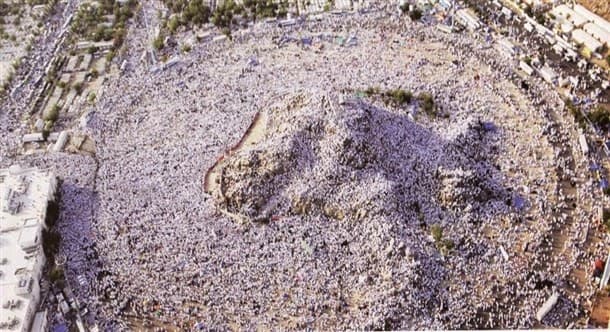
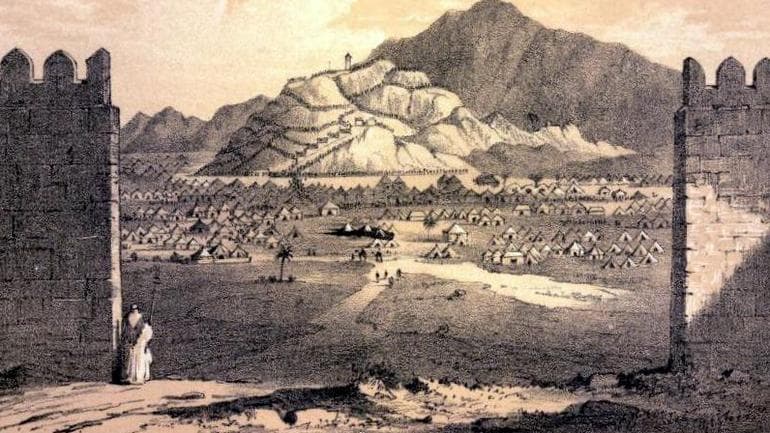
Discover the spiritual significance of the Plain of Arafat in Mecca, Saudi Arabia, a sacred site crucial to the Hajj pilgrimage and Prophet Muhammad's Farewell Sermon.
Overview
The Plain of Arafat, an expansive and sacred expanse, lies approximately 20 kilometers southeast of Mecca, Saudi Arabia. It forms the spiritual heart of the annual Hajj pilgrimage, serving as the pivotal location for the ritual known as 'Wuquf' or 'the Standing'. This vast desert plain is not just a geographical location but a profound symbol of unity, repentance, and divine mercy in Islam. Nestled within this plain is Jabal al-Rahmah, or the Mount of Mercy, a modest granite hill that stands as a silent witness to centuries of devotion.
Each year, on the 9th day of Dhul Hijjah, known as the Day of Arafah, millions of pilgrims from across the globe converge here. Clad in simple white ihram garments, symbolizing equality and humility, they spend the day in intense prayer, reflection, and supplication. The significance of this day and location is so immense that Prophet Muhammad (PBUH) declared, 'Hajj is Arafah', emphasizing that the pilgrimage remains incomplete without this essential rite.
History & Cultural Background
The history of the Plain of Arafat is deeply intertwined with foundational Islamic narratives. One widely held belief suggests that it was on this very plain that Prophet Adam (AS) and Hawa (Eve) were reunited and recognized each other after their expulsion from Paradise and long separation. Their prayers for forgiveness were accepted here, hence the name 'Arafat', often interpreted as 'to know' or 'to recognize', and the hill's designation as the 'Mount of Mercy'.
Centuries later, the Plain of Arafat became the stage for one of Islam's most momentous events: Prophet Muhammad's (PBUH) Farewell Sermon. During his final pilgrimage, on the 9th of Dhul Hijjah, he delivered a powerful address from Jabal al-Rahmah to a vast gathering of companions. This sermon, rich in its message of equality, justice, human rights, and unity, laid down guiding principles for the Muslim community.
The rites performed on the Plain of Arafat also echo the practices established by Prophet Ibrahim (AS), who is believed to have performed Hajj according to divine instruction, with Angel Jibril demonstrating the rituals. The Prophet Muhammad later restored Hajj to its Abrahamic roots, ensuring that the devotion witnessed on Arafat mirrored the purest forms of worship.
What Makes It Special
The Plain of Arafat holds a unique and irreplaceable position in the spiritual landscape of Islam. Its primary distinction is that standing here on the Day of Arafah is the quintessential pillar of Hajj. Without this 'Wuquf', the entire pilgrimage is invalid, making it the most critical moment for every pilgrim.
Beyond its procedural importance, the plain is described as the most 'spiritually charged place on Earth' during the Day of Arafah. It is a day of unsurpassed divine mercy, where Allah is believed to free more souls from the Hellfire than on any other day. Pilgrims gather with profound sincerity, their hearts yearning for forgiveness and renewal. This collective act of devotion, humility, and seeking pardon transforms the vast plain into a powerful symbol of hope and spiritual purification.
The plain's unique nature also stems from its temporary habitation. For most of the year, it remains largely uninhabited and quiet. However, for a single, intense day each year, it bursts into life, becoming a sea of humanity united in worship, a powerful testament to the global solidarity of the Muslim Ummah.
Stories, Fun Facts & Local Details
The name 'Arafat' itself carries intriguing interpretations. One tradition links it to the reunion of Adam and Eve, who, after centuries of separation following their descent to Earth, finally 'recognized' ('arafa') each other on this plain. Another account suggests that when Angel Jibril taught Prophet Ibrahim the Hajj rituals here, he asked, 'Have you understood?' and Ibrahim replied, 'I have understood' ('araftu'), thus lending the name to the place. A more profound interpretation connects 'Arafat' to the pilgrims' recognition of their sins and their earnest seeking of forgiveness.
A fun fact for visitors is that while the Mount of Mercy (Jabal al-Rahmah) is prominent, the 'Wuquf' ritual is performed throughout the entire Plain of Arafat, not exclusively on the mountain's summit. Indeed, Prophet Muhammad (PBUH) himself performed his Wuquf on the plain, stating, 'I stood here, and all of Arafat is a place of standing.' A white pillar on top of Jabal al-Rahmah marks a believed spot for important events, though it is not a requirement to climb it.
Masjid Namirah, located at the edge of the Plain of Arafat, holds historical significance. It is here that the Hajj sermon is delivered, and the Dhuhr and Asr prayers are combined and shortened on the Day of Arafah, following the practice of the Prophet.
Visitor Perspective
For pilgrims undertaking Hajj, the experience of the Plain of Arafat is overwhelming and deeply spiritual. It is a day of profound introspection, tearful supplication, and a powerful sense of connection to millions of fellow Muslims and to God. The vastness of the plain, filled with a unified throng, creates an atmosphere unlike any other. Pilgrims describe it as a moment of rebirth, emerging from the day as pure as newborns, with their sins erased.
Outside of the Hajj season, the Plain of Arafat offers a different, yet equally moving, experience. The vast open spaces, normally teeming with life during Hajj, become quiet and reflective. Visitors can tour the area, reflect on its historical and spiritual significance, and visit Jabal al-Rahmah and Masjid Namirah. While it's not possible to replicate the Hajj day experience, the sheer weight of history and spirituality still permeates the air. The contrast between its serene emptiness for most of the year and its vibrant, intense activity during Hajj season is striking, making any visit a powerful reminder of faith's enduring journey.
Coordinates: 40.0017, 21.3667
View on Google Maps💬 How Travelers Describe This Place
Based on community votes
Photogenic
995Beautiful
989Must See
613Interesting
603Unique
581
Traveler Stories
Discover memorable experiences shared by travelers who have visited this place.
No traveler stories yet.
Be the first traveler to share what made this place memorable.

Tour
By
Spot
Discover amazing places around the world. Your journey starts here.
Explore
© 2026 TourBySpot. All rights reserved.