Plague Exhibits
Edinburgh, United Kingdom
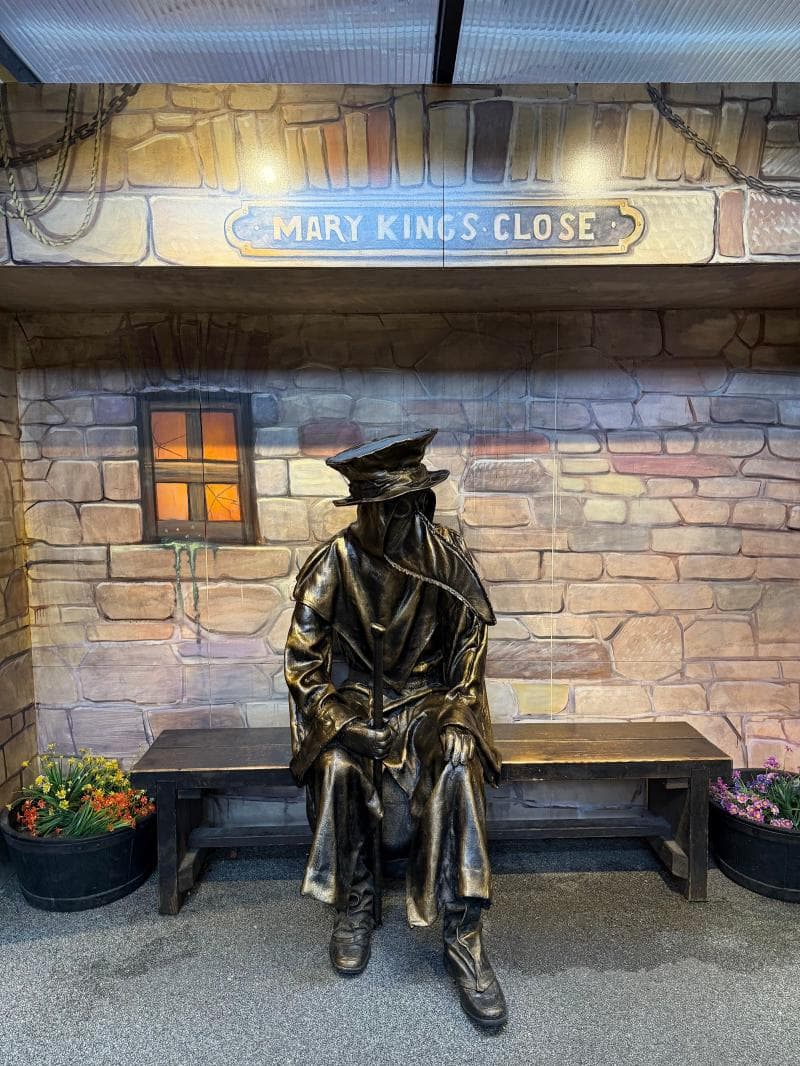
Explore the chilling Plague Exhibits at The Real Mary King's Close in Edinburgh, United Kingdom, delving into 17th-century plague history and urban life.
Overview
Step beneath the bustling streets of Edinburgh's historic Royal Mile into The Real Mary King's Close, where the 'Plague Exhibits' offer a compelling and often chilling journey into a significant chapter of the city's past. This unique underground labyrinth, a network of 17th-century streets and dwellings, preserves the authentic atmosphere of a bygone era, providing a tangible link to the lives, struggles, and superstitions of Edinburgh's residents during the devastating plague outbreaks. Far from being merely a museum display, these exhibits immerse visitors in the grim reality faced by those who lived and died in these crowded, subterranean spaces.
The Real Mary King's Close itself is not a recreation but an actual historic site, with many of its original structures preserved beneath later city developments. The 'Plague Exhibits' are an integral part of the guided tour, meticulously designed to educate and evoke an emotional connection to the period. They are presented through atmospheric settings, detailed historical accounts, and often with the aid of costumed guides who embody the characters and tales of the past.
History & Cultural Background
Edinburgh, particularly in its densely packed Old Town, experienced numerous plague outbreaks throughout its history, with the most severe occurring in 1645. Before this major event, the city had already endured at least ten outbreaks, yet it remained dangerously unprepared.
Life in 17th-century Edinburgh was characterized by extreme overcrowding within the medieval Flodden Walls, leading to tenements rising many stories high and closes like Mary King's becoming incredibly unsanitary. Waste was routinely dumped into the streets, creating a breeding ground for rats and the fleas that carried the bubonic plague, caused by the bacterium Yersinia pestis. These conditions facilitated the rapid spread of disease, making the closes particularly vulnerable.
During the 1645 outbreak, thousands died over two years, impacting between a fifth and a half of Edinburgh's population. Contrary to persistent myths about the Close being sealed off with inhabitants left to perish, the historical reality reveals that the city council managed quarantines with some degree of care. Healthy families were moved to places like Burgh Muir, while those infected would display white flags to indicate their need for food and coal deliveries, receiving treatment and support from outside.
What Makes It Special
What sets the 'Plague Exhibits' apart within The Real Mary King's Close is their grounding in authentic historical spaces. Visitors walk through the very closes and rooms where people lived and struggled during the plague years, rather than viewing artifacts in a conventional museum setting.
The exhibits bring history to life through immersive storytelling, often led by knowledgeable, costumed guides who share detailed accounts of the period. These guides introduce visitors to figures like the notorious plague doctor, complete with his distinctive leather suit and bird-like beaked mask, and the 'foul clengers' who undertook the perilous task of removing the dead and disinfecting homes.
Recreated rooms allow guests to visualize the cramped and often grim living conditions, illustrating how up to 14 people from multiple families might share a single room with no proper sanitation. The experience separates historical fact from popular legend, offering a nuanced understanding of how Edinburgh confronted the 'Black Death'.
Stories, Fun Facts & Local Details
The tales woven into the 'Plague Exhibits' are rich with human stories. For instance, the city's first appointed plague doctor, Dr. John Paulitious, was paid a considerable sum but tragically succumbed to the disease himself within months of his appointment in 1644. His successor, Dr. George Rae, famously survived, largely thanks to his protective leather suit and beaked mask, which, while intended to ward off 'evil miasmas,' unknowingly prevented flea bites.
The term 'foul clengers' refers to the individuals assigned the dangerous job of removing bodies, disinfecting premises, and burning contaminated possessions. Their numbers dwindled significantly during outbreaks, highlighting the immense risks they faced.
Another famous local detail associated with the Close, though less directly tied to the plague itself, is the legend of Annie, a young girl believed to have died of the plague. Visitors often leave toys and gifts for her spirit in a particular room, with these donations later given to children's charities, adding a touch of poignant folklore to the historical narrative.
Visitor Perspective
Visiting the 'Plague Exhibits' offers a profound and often haunting insight into Edinburgh's past. The underground environment naturally lends itself to a somber and reflective experience, allowing travelers to connect with the human scale of the tragedy. It's an opportunity to understand the challenges of disease control, the social structures, and the daily lives of people in 17th-century Scotland.
The tours are designed to be educational and engaging, making complex historical events accessible through immersive storytelling and visual reconstructions. Travelers consistently commend the guides for their ability to bring history to life, transforming a visit into a memorable and thought-provoking experience that goes beyond mere dates and facts, offering a genuine sense of what it was like to live through the plague in these very streets.
Coordinates: -3.1875, 55.9502
View on Google Maps💬 How Travelers Describe This Place
Based on community votes
Interesting
894Photogenic
862Must See
748Unique
304Beautiful
35
Traveler Stories
Discover memorable experiences shared by travelers who have visited this place.
No traveler stories yet.
Be the first traveler to share what made this place memorable.

Tour
By
Spot
Discover amazing places around the world. Your journey starts here.
Explore
© 2026 TourBySpot. All rights reserved.