Plage Des Catalans
Marseille, France
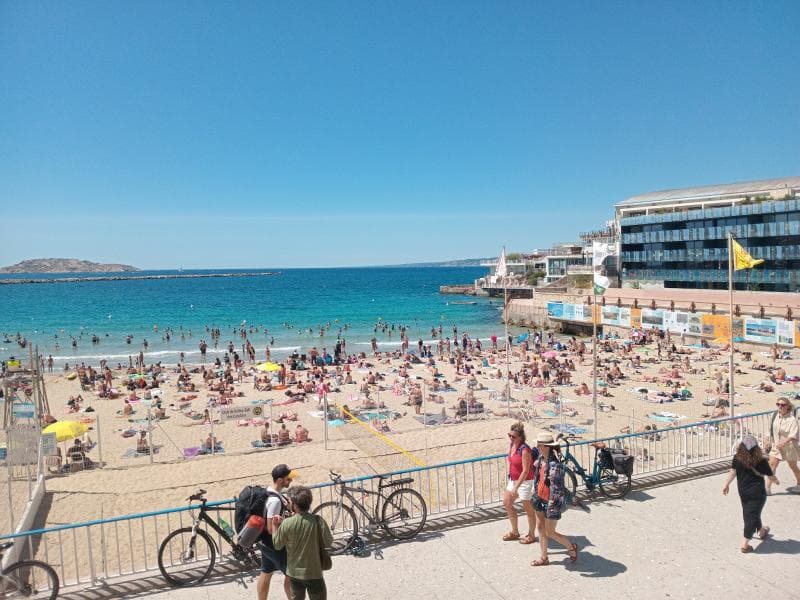
Discover Plage des Catalans in Marseille, France – a vibrant sandy beach steeped in history, perfect for swimming, volleyball, and exploring an underwater museum. Enjoy city views and local culture.
Overview
Nestled along the vibrant coastline of Marseille, France, Plage des Catalans offers a captivating blend of urban convenience and Mediterranean charm. This popular sandy beach, famously situated at the entrance to Marseille's Old Port and marking the beginning of the picturesque La Corniche, is a cherished spot for both locals and travelers seeking sun and sea. Known for its lively atmosphere and clear waters, it provides a quintessential Marseille beach experience, just a short walk from the city centre.
History & Cultural Background
The name 'Plage des Catalans' itself whispers tales of Marseille's rich past. Local histories trace its origin to a colony of Catalan fishermen who settled in this cove during the 17th century. Their enduring presence was significant enough for the district to retain their name, even as the small fishing hamlet transformed over centuries.
This iconic stretch of coastline has also served as a muse for numerous artists and writers, immortalizing it in various forms of art. Alexandre Dumas, the renowned author of 'The Count of Monte Cristo', notably featured Marseille in his works, with the Château d'If, which faces Catalans Beach, playing a significant role in his famous novel. In the 19th century, fascinated by the Mediterranean, Dumas visited Marseille multiple times, drawing inspiration from its port, landscapes, and diverse residents. Painters like Paul Guigou and Émile Loubon also captured the unique light and maritime contrasts of Catalans Cove, depicting its colorful boats and beach huts. The memory of Catalans is carefully preserved in the collections of Marseille's museums and city archives.
La Corniche, the scenic coastal road where Plage des Catalans resides, began its development in the mid-19th century as part of an urban initiative to enhance Marseille's appeal as a seaside resort. Originally a simple path, it evolved into a significant promenade, reflecting the growing interest in leisure and tourism.
What Makes It Special
Plage des Catalans stands out for several reasons, making it a truly special destination. Firstly, it is one of the few sandy beaches directly within Marseille's city limits, offering soft sand and a gradual entry into the water, ideal for swimming and sunbathing. The beach is also famous for its vibrant beach volleyball courts, which attract players and spectators throughout the year, even hosting international competitions.
A unique attraction near the beach is the Catalans underwater trail, accessible year-round for free diving and snorkeling enthusiasts. This 200-meter path allows visitors to discover the shallow seabed's diverse flora and fauna. From June to September, the trail is marked by semi-submerged buoys, enabling exploration of marine life and the history of Catalans Cove. Just a few meters from this trail, at a depth of five meters, lies the Marseille Underwater Museum, featuring majestic sculptures made of eco-friendly cement that are gradually forming an artificial reef. This innovative museum promotes interest in the environment, culture, and sport, offering an unusual and immersive experience for snorkelers.
Stories, Fun Facts & Local Details
Plage des Catalans is more than just a beach; it's a living canvas of Marseille's daily life. It's known for its bustling energy, often filled with children, teenagers, and locals enjoying the Mediterranean sun. While tranquility might be elusive during peak times, the animation is always guaranteed.
The beach is a popular spot for evening picnics as the heat subsides in summer, fostering a communal and convivial atmosphere. Adjacent to the beach is the renowned Cercle des Nageurs de Marseille, a private swimming club founded in 1921, which adds to the athletic character of the area and has a rich history in elite swimming and water polo.
Part of the larger La Corniche Kennedy, the area boasts a significant landmark: the world's longest bench, a three-kilometer stretch facing the sea, perfect for contemplation and people-watching.
Visitor Perspective
Visiting Plage des Catalans offers a genuine slice of Marseillaise life. It's incredibly accessible, located just a 15-minute walk from the Old Port, making it an ideal choice for an impromptu swim or a quick escape from the city. The beach provides essential amenities such as lifeguards during summer, showers, changing rooms, and toilets, ensuring a comfortable visit. While it can get crowded quickly, especially during hot afternoons and weekends, many find the lively atmosphere appealing.
For those seeking a calmer experience, arriving early in the morning is recommended to secure a good spot before the crowds gather. The views of the Frioul Islands and Château d'If from the beach are spectacular, providing a beautiful backdrop to your visit. Nearby, visitors can explore the charming Vallon des Auffes fishing port or enjoy local cuisine at the various restaurants.
Coordinates: 5.3557, 43.29047
View on Google Maps💬 How Travelers Describe This Place
Based on community votes
Must See
836Beautiful
797Photogenic
695Interesting
396Unique
286
Traveler Stories
Discover memorable experiences shared by travelers who have visited this place.
No traveler stories yet.
Be the first traveler to share what made this place memorable.

Tour
By
Spot
Discover amazing places around the world. Your journey starts here.
Explore
© 2026 TourBySpot. All rights reserved.