Place Jean Jaurès
Marseille, France
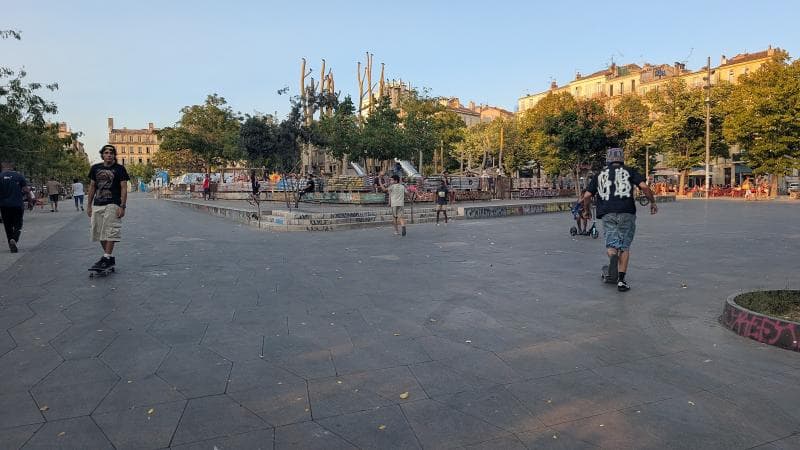
Discover Place Jean Jaurès, Marseille, France: a historic square known as La Plaine, bustling with markets, cafes, and bohemian charm.
Overview
Nestled in the vibrant heart of Marseille, France, Place Jean Jaurès – affectionately known by locals as 'La Plaine' – is more than just a square; it's a living canvas reflecting the city's rich history and dynamic contemporary culture. This expansive and historic public space, situated at the crossroads of the 1st, 5th, and 6th arrondissements, serves as a bustling hub of activity and a cultural epicenter. While Place Jean Jaurès itself pulsates with markets and cafes, it forms an integral part of the larger, bohemian Cours Julien neighborhood, famed for its artistic flair and independent spirit.
As you wander through La Plaine, you'll encounter a captivating blend of old and new, where centuries of history converge with modern-day street art and lively social gatherings. It's a place where the everyday rhythm of Marseillaise life unfolds, inviting curious travelers to immerse themselves in an authentic Provençal experience.
History & Cultural Background
The story of Place Jean Jaurès stretches back to the 13th century, when it served a humble yet significant role as a camping ground for Christian Crusaders embarking on their journeys to the Holy Land. Originally, this plateau was known by names such as Campus Martius and Podium Sancti Michaelis, indicating its ancient military and ceremonial importance. Over the centuries, it evolved, becoming a designated meeting place for French royalty and other dignitaries, bearing witness to pivotal moments in French history.
In 1919, the square was renamed Place Jean Jaurès, honoring the renowned socialist and pacifist politician. For generations, La Plaine and the adjacent Cours Julien district were the commercial heart of Marseille, particularly from 1860 to around 1970, when they hosted the city's primary fruit and vegetable market. Farmers from surrounding villages would bring their produce here, creating a vibrant marketplace. The relocation of this central market in the early 1970s marked a significant shift, paving the way for the area's transformation into the artistic and bohemian quarter it is today, especially for Cours Julien.
What Makes It Special
What truly sets Place Jean Jaurès apart is its dual identity as a historic landmark and a dynamic contemporary space. It's one of Marseille's largest squares, framed by double rows of plane trees that offer welcoming shade. At its heart lies a beautifully restored 19th-century Wallace fountain and a central fenced children's playground, making it a gathering point for families and locals alike. While street art is more overtly celebrated in the surrounding Cours Julien, elements of artistic expression also color La Plaine's atmosphere.
The square's most celebrated feature is arguably its bustling open-air market, a tradition dating back centuries. On Tuesdays, Thursdays, and Saturdays, the market fills with vendors selling fresh fruits, vegetables, and local specialties, offering a true taste of Provençal life. Wednesdays are dedicated to a vibrant flower market, transforming the space with color and fragrance. This ongoing market tradition, coupled with the array of cafes and shops lining its perimeter, ensures that La Plaine remains a lively and essential part of Marseille's social and commercial fabric.
Stories, Fun Facts & Local Details
La Plaine holds a special place in Marseillaise lore. Beyond its ancient role as a Crusader encampment and a royal reception area, it has historically been a significant site for public gatherings and civic life. The square's evolution has not always been smooth; a major renovation project between 2018 and 2021 sparked considerable local opposition and protests, highlighting the community's deep attachment to its traditional character.
A unique fun fact tells of its former connection to aerial feats: in 1886, two young aeronauts, Alphonse Fondère and Louis Capazza, took to the skies from La Plaine in the airship 'Le Gabizos,' successfully flying towards Corsica. More recently, the bohemian spirit of the area is palpable, especially in the adjacent Cours Julien, which has been dubbed 'Marseille's bohemian quarter' and 'France's largest open-air street art gallery.' The streets connecting Place Jean Jaurès and Cours Julien are particularly adorned with graffiti and murals, reflecting the city's diverse cultural influences and serving as a platform for social and political expression.
Visitor Perspective
For the curious traveler, Place Jean Jaurès offers an authentic glimpse into the soul of Marseille. It's a place to linger, people-watch from a cafe terrace, and soak in the vibrant atmosphere. Visiting on market days (Tuesdays, Thursdays, Saturdays, or Wednesdays for flowers) is highly recommended for the full sensory experience, though it can get crowded. While exploring, be mindful of your belongings, especially in bustling market areas.
Beyond the market, the square and its immediate surroundings are ideal for leisurely strolls, enjoying the greenery, and appreciating the mix of historical and modern architecture. The nearby Cours Julien district further enhances the experience, inviting visitors to discover independent shops, eclectic bars, and an ever-changing display of street art that defines its bohemian charm. Whether you're seeking cultural immersion, local flavors, or simply a lively spot to feel the pulse of the city, Place Jean Jaurès and the Cours Julien area promise an unforgettable and uniquely Marseillaise adventure.
Coordinates: 5.386, 43.295
View on Google Maps💬 How Travelers Describe This Place
Based on community votes
Interesting
951Beautiful
748Must See
499Photogenic
491Unique
427
Traveler Stories
Discover memorable experiences shared by travelers who have visited this place.
No traveler stories yet.
Be the first traveler to share what made this place memorable.

Tour
By
Spot
Discover amazing places around the world. Your journey starts here.
Explore
© 2026 TourBySpot. All rights reserved.