Pillared Walkways
Vientiane, Laos
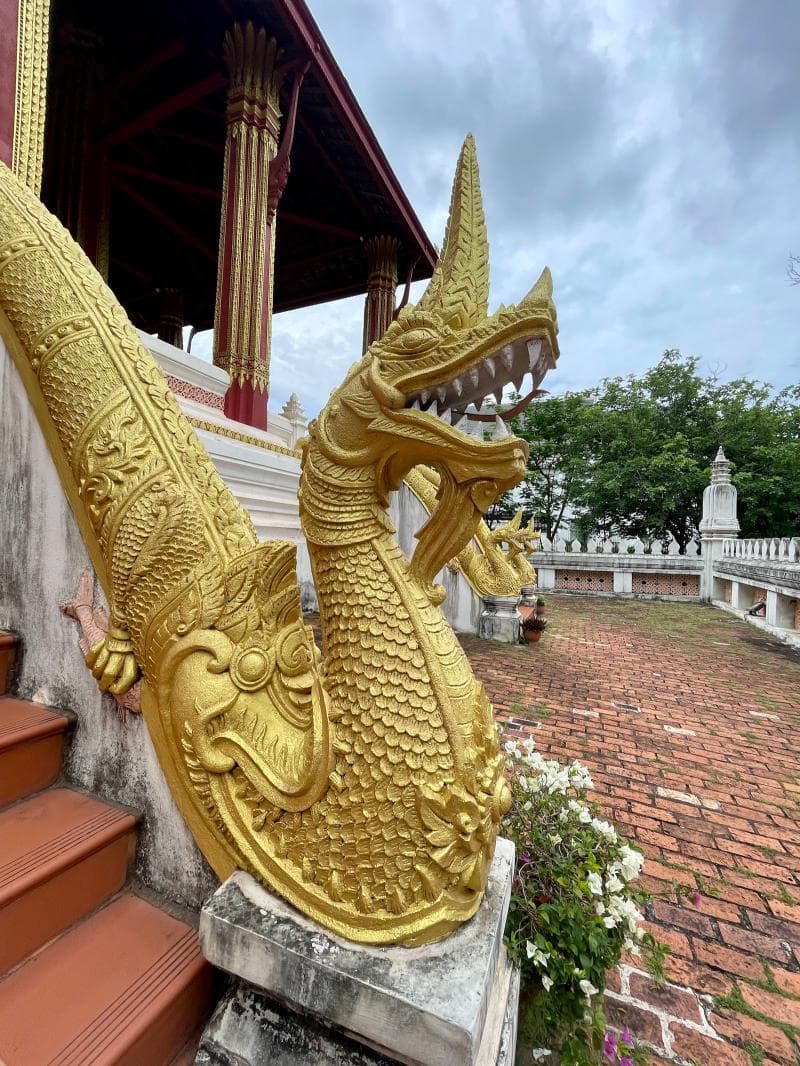
Discover the tranquil Pillared Walkways of Wat Ho Phra Keo in Vientiane, Laos, displaying ancient Buddhist art and historical relics.
Overview
Stepping into Wat Ho Phra Keo in Vientiane, Laos, one is immediately drawn to the serene beauty encapsulated by its architectural features, particularly the 'Pillared Walkways'. While not a formally named sub-spot, these elegant, open-sided corridors and verandas are integral to the temple's design and visitor experience. They gracefully frame the central sanctuary, offering a harmonious transition between the main hall and the tranquil surrounding gardens. These walkways serve as much more than just paths; they are open-air galleries, housing a remarkable collection of ancient Buddhist sculptures, intricately carved stone artifacts, and historical relics that invite quiet contemplation. Walking through these pillared spaces provides a unique perspective on Lao religious art and architectural finesse, allowing visitors to immerse themselves in the deep cultural heritage of the site.
History & Cultural Background
The history of Wat Ho Phra Keo, and by extension its pillared architectural elements, dates back to 1565 when King Setthathirath commissioned its construction. It was originally conceived as the royal chapel and the revered home for the Emerald Buddha, a sacred jade statue. Over centuries, the temple faced numerous destructions during conflicts, notably the Siamese invasions in 1779 and 1828, which led to the loss of the Emerald Buddha and severe damage to the structure. The current edifice, largely rebuilt between 1936 and 1942 under French colonial administration, aimed to restore its traditional grandeur. The 'Pillared Walkways' are a testament to this enduring legacy, reflecting traditional Lao temple architecture with influences from various periods, providing a sense of continuity despite the temple's turbulent past. They embody the resilience of Lao artistry and spirituality, now serving as a museum rather than an active place of worship.
What Makes It Special
What truly distinguishes the 'Pillared Walkways' at Wat Ho Phra Keo is their dual function as both structural support and display areas for invaluable artifacts. Along these shaded corridors, one encounters a diverse array of Buddha images crafted from bronze, stone, and wood, showcasing different artistic periods and regional styles. Some stone Buddhas date back to the 6th to 9th centuries, offering a profound glimpse into early Buddhist art in Laos. The pillars themselves, often stout and unadorned in their current form, provide a solemn backdrop to the ornate sculptures and ancient inscriptions displayed on pedestals. The verandas, defined by these pillars, also offer sheltered vantage points to admire the temple's multi-tiered roof, the intricate details of its wooden doors, and the peaceful gardens outside. The interplay of light and shadow filtering through these open spaces creates a tranquil, almost meditative atmosphere, inviting visitors to pause and appreciate each piece of history.
Stories, Fun Facts & Local Details
While the Emerald Buddha is no longer housed here, its historical presence deeply permeates the atmosphere. The numerous Buddha statues lining the walkways tell silent stories of devotion and artistic evolution. Among the artifacts, you might discover pieces with Khmer cultural influences, reflecting the broader historical connections of the region. It is said that Buddha statues in the temple often have their heads, chests, and body parts covered in gold, symbolizing strength and holiness. Though not directly on the pillars, the balustrades of the temple's staircases feature guardian dragons, known as nagas, with their heads facing the grounds, symbolically protecting the sacred space. These details, while subtle, add layers of cultural meaning to every step taken along the walkways. The tranquil gardens visible from these pillared areas provide a refreshing contrast to the historical weight of the artifacts, creating an oasis of calm in the heart of Vientiane.
Visitor Perspective
For the curious traveler, exploring the 'Pillared Walkways' of Wat Ho Phra Keo is a journey through time and artistry. The cool, shaded environment offers a welcome respite from the Vientiane sun, encouraging a slower pace of exploration. Visitors often find themselves drawn to examine the intricate details of each Buddha statue or stone carving, imagining the hands that created them centuries ago. The sense of walking through an open-air museum, where history is not confined behind glass but openly displayed, is particularly captivating. It is a place for quiet reflection, where the whispers of the past seem to echo between the pillars. These walkways guide one through the temple's perimeter, leading to different perspectives of the main sanctuary and the surrounding greenery, making every turn a discovery. It is an immersive experience, allowing for a profound connection with Laos's spiritual and artistic heritage.
Coordinates: 102.6111, 17.9647
View on Google Maps💬 How Travelers Describe This Place
Based on community votes
Photogenic
703Unique
521Must See
477Beautiful
157Interesting
28
Traveler Stories
Discover memorable experiences shared by travelers who have visited this place.
No traveler stories yet.
Be the first traveler to share what made this place memorable.

Tour
By
Spot
Discover amazing places around the world. Your journey starts here.
Explore
© 2026 TourBySpot. All rights reserved.