Pilgrimage Path / Stair Trail
Mecca, Saudi Arabia
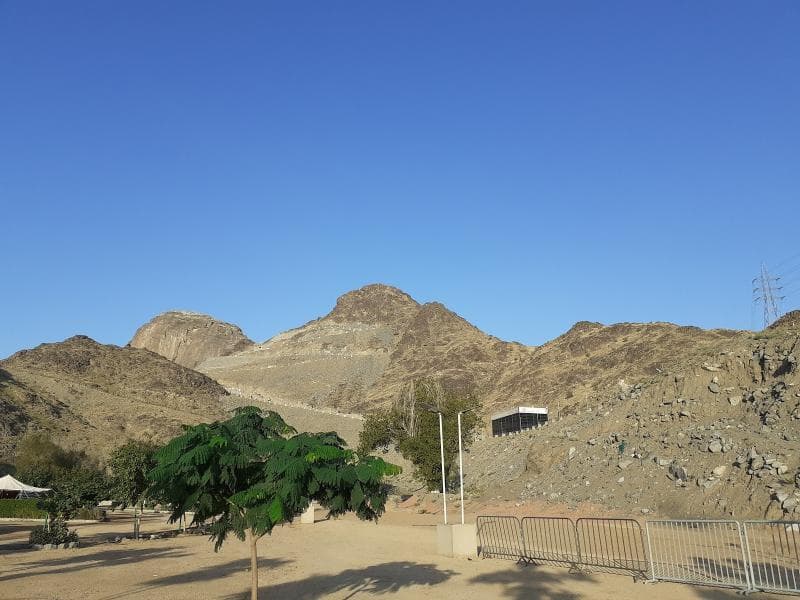
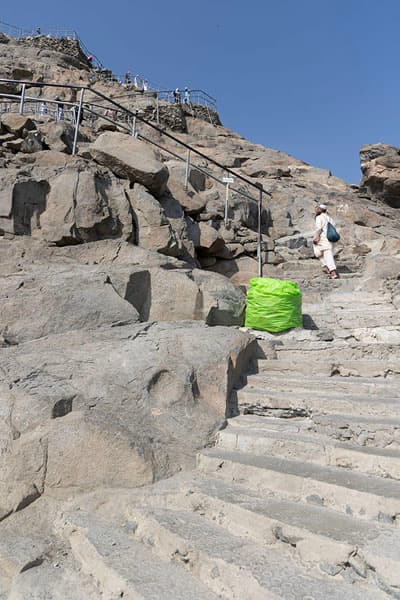
Explore the Pilgrimage Path / Stair Trail on Jabal al-Nour in Mecca, Saudi Arabia, the sacred site of Prophet Muhammad's first Quranic revelation.
Overview
Nestled just northeast of Mecca, Saudi Arabia, the majestic Jabal al-Nour, or 'Mountain of Light,' stands as a beacon of immense historical and spiritual significance. It is within this rugged landscape that pilgrims and visitors embark on the demanding yet profoundly rewarding Pilgrimage Path / Stair Trail leading to the revered Cave of Hira (Ghar Hira). Rising approximately 634 to 642 meters above sea level, Jabal al-Nour is not merely a geographical feature; it is a landmark etched into the very foundations of Islam. The mountain is approximately four kilometers from the Sacred Mosque, making it a prominent and accessible site for those seeking a deeper connection to Islamic heritage.
The path itself, an intricate network of steps and rocky terrain, serves as a symbolic journey, drawing thousands annually to the secluded cave near its summit. While not an obligatory rite of Hajj or Umrah, the ascent to the Cave of Hira is considered a cherished act of personal pilgrimage, offering a unique opportunity for reflection and spiritual introspection in the very place where divine revelations first descended upon Prophet Muhammad.
History & Cultural Background
The story of Jabal al-Nour is intrinsically linked to the early life and prophethood of Muhammad (peace be upon him). Long before he became a prophet, Muhammad, then around 40 years old, frequently sought solace from the bustling city life of Mecca. He would retreat to the tranquility of the Cave of Hira to meditate and contemplate existence, finding respite from the idolatry prevalent in society at the time.
It was during one of these solitary retreats, in the blessed month of Ramadan in 610 CE, that a monumental event transpired that would forever alter the course of human history. The Archangel Jibreel (Gabriel) appeared to Prophet Muhammad in the Cave of Hira and commanded him to 'Read!' (Iqra). Muhammad, who was unlettered, initially replied, 'I cannot read!' Jibreel repeated the command, embracing him tightly each time, until Muhammad recited the first verses of the Quran, specifically from Surah Al-Alaq. This profound encounter marked the beginning of divine revelation and the dawn of Islam, establishing Jabal al-Nour as a foundational site for the faith.
What Makes It Special
What makes the Pilgrimage Path / Stair Trail and the Cave of Hira truly special is the unparalleled spiritual resonance they hold. Visitors here are literally treading in the footsteps of Prophet Muhammad, connecting with the precise location where Islam's central text began its revelation. This tangible link to such a pivotal moment in religious history offers an incredibly powerful and moving experience.
Beyond its spiritual gravity, the site offers a unique physical and sensory journey. The ascent itself is considered an act of devotion, a challenging physical endeavor that mirrors the Prophet's dedication and perseverance in seeking solitude and communion with Allah. The small, modest Cave of Hira, measuring approximately four meters in length and one and a half meters in width, can only accommodate a few people at a time, enhancing its sense of intimacy and sacredness.
Upon reaching the summit, climbers are rewarded with breathtaking panoramic views of Mecca, with distant glimpses of the Grand Mosque (Masjid al-Haram) and the sprawling city below. The mountain's distinctive appearance, often described as resembling a camel's hump or a fez, adds to its unique character, making it easily recognizable on the city's skyline.
Stories, Fun Facts & Local Details
The name 'Jabal al-Nour,' meaning 'Mountain of Light,' is a direct homage to the divine light of guidance that emanated from this very spot with the first Quranic revelation. Before this momentous event, the Prophet Muhammad would often bring provisions and spend several days in seclusion, dedicating himself to ardent prayer and contemplation. This deep spiritual practice set the stage for the earth-shattering communication he would receive from Jibreel.
The initial shock and awe that overcame Prophet Muhammad after the first revelation highlight the extraordinary nature of the event. Tradition recounts his trembling return to his beloved wife Khadijah, who comforted and reassured him, confirming his prophetic calling. This story underscores the human aspect of the Prophet's experience and the profound support he received at the beginning of his mission.
For those making the climb today, the atmosphere can be vibrant. During peak seasons like Hajj, the path is often filled with fellow pilgrims, and informal vendors set up shop, offering bottled water, snacks, and tea to sustain climbers on their arduous journey. In recent years, a Hira Cultural District has been developed at the mountain's base, featuring museums and exhibitions that further contextualize the historical significance of the site, providing educational insights into the revelation and the Prophet's biography.
Visitor Perspective
Embarking on the Pilgrimage Path / Stair Trail of Jabal al-Nour is a journey that blends physical exertion with profound spiritual reward. The ascent involves navigating anywhere from 1,200 to 1,750 uneven steps carved into the mountain, making it a moderately to highly strenuous undertaking. The climb typically takes between 45 minutes to two hours, depending on an individual's fitness level, the pace they maintain, and the density of the crowds.
To ensure a more comfortable and safe experience, it's highly recommended to begin the climb during the cooler parts of the day—either in the early morning before sunrise or late in the afternoon towards sunset. This helps avoid the intense heat of midday. Essential items for the climb include sturdy, comfortable hiking shoes and an ample supply of water to stay hydrated. While simple handrails and low walls are present in some sections, climbers should always exercise caution, stick to the designated path, and be mindful of their footing on the rocky terrain.
Ultimately, the experience of ascending Jabal al-Nour and entering the Cave of Hira is often described as deeply personal and transformative. It offers a unique moment to reflect on faith, perseverance, and the humble beginnings of a message that changed the world, leaving many visitors with a renewed sense of spiritual purpose.
Coordinates: 39.86139, 21.45806
View on Google Maps💬 How Travelers Describe This Place
Based on community votes
Photogenic
836Must See
287Interesting
255Beautiful
231Unique
86
Traveler Stories
Discover memorable experiences shared by travelers who have visited this place.
No traveler stories yet.
Be the first traveler to share what made this place memorable.

Tour
By
Spot
Discover amazing places around the world. Your journey starts here.
Explore
© 2026 TourBySpot. All rights reserved.