Picnic Spots
Podgorica, Montenegro
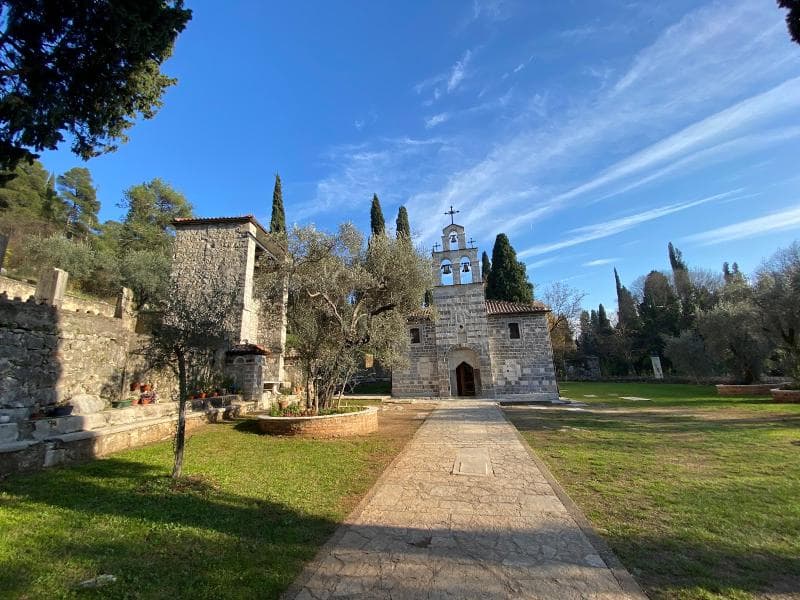
Discover serene picnic spots on Gorica Hill in Podgorica, Montenegro. Explore its history, lush forests, panoramic views, and peaceful trails.
Overview
Gorica Hill, a cherished natural haven nestled in the heart of Podgorica, Montenegro, serves as the city's vital 'green lung'. Rising approximately 130 meters above the urban landscape, this verdant oasis is not merely a topographical feature but a central hub for recreation and tranquility. Its dense forests of pine and cypress, along with well-maintained paths, create an idyllic setting that has made it a beloved spot for locals and a captivating destination for visitors seeking respite from city life. Gorica Hill is renowned for its suitability for outdoor activities, making it a premier destination for those looking for peaceful picnic spots amidst nature.
History & Cultural Background
The significance of Gorica Hill is deeply woven into the very identity of Podgorica. The city itself derives its name from the hill, with 'Podgorica' literally translating to 'under the little hill'. This ancient connection underscores the hill's enduring role in the region's history. At its foot lies the Church of St. George, one of Podgorica's oldest surviving religious buildings, with origins dating back to the 9th or 10th century. Its thick whitewashed walls and peaceful garden offer a glimpse into centuries of spiritual life. Near the summit, another powerful historical landmark stands: the Mausoleum to Fallen Partisan Fighters. Erected in 1957, this monument commemorates the thousands who perished during World War II, serving as a poignant reminder of Montenegro's wartime struggles and a central place for national remembrance. During the Yugoslav era, this memorial was such an important symbol that it was depicted on postcards promoting the city, then known as Titograd.
What Makes It Special
Gorica Hill's unique appeal lies in its harmonious blend of natural beauty, recreational opportunities, and historical depth. As a protected park, it offers an extensive network of walking, jogging, and cycling paths that wind through its serene forest. For families and adventure-seekers, an adventure park provides an engaging outdoor experience. One of the highlights is the Mediterranean garden located on the hilltop, featuring a diverse array of Mediterranean trees, medicinal herbs, and fruits. From various viewpoints, the hill offers breathtaking panoramic vistas of Podgorica, the winding Morača River, and the distant Dinaric Alps, providing a stunning backdrop for any visit. The hill's abundant pine trees are known for emitting beneficial chemical substances that purify the air, contributing to its reputation as a place with healing properties. This combination of fresh air, lush greenery, and peaceful spots makes Gorica Hill an ideal location for picnics, where visitors can relax and enjoy nature.
Stories, Fun Facts & Local Details
The very name 'Podgorica' is a testament to the hill's long-standing importance, meaning 'under the little hill', reflecting how integral Gorica has been to the city's identity. Locals often refer to it as Podgorica's lungs, highlighting its essential role in providing fresh air and a green escape. Visitors might observe locals foraging for wild sage, an old tradition on the hill. For those planning a picnic, there's a potable fountain partway up the hill, a convenient spot to refill water bottles. However, it's crucial to remember that the use of open fires is strictly prohibited on Gorica Hill due to the constant danger of forest fires, a rule that ensures the preservation of this cherished natural space. The hill is also home to a diverse array of plant and animal species, having been declared a protected area in 2022.
Visitor Perspective
Exploring Gorica Hill offers a truly immersive experience for any traveler. Whether you're seeking a vigorous hike, a leisurely stroll, or a quiet spot for a picnic, the hill accommodates all. It provides a peaceful escape from the urban bustle, allowing visitors to feel a world away while remaining just a short distance from the city center. The best times to visit are during spring and autumn when the temperatures are mild and the foliage is vibrant. However, even on hot summer days, the shade of the pine and cypress trees offers a cool retreat, making it a popular destination to escape the heat. The accessibility of the hill, with its various entry points and proximity to Podgorica's new city, makes it an easy addition to any itinerary. Gorica Hill invites visitors to connect with nature, delve into Montenegrin history, and enjoy the simple pleasure of an outdoor meal surrounded by stunning views and a sense of calm.
Coordinates: 19.218611, 42.430278
View on Google Maps💬 How Travelers Describe This Place
Based on community votes
Photogenic
995Interesting
964Beautiful
926Must See
646Unique
482
Traveler Stories
Discover memorable experiences shared by travelers who have visited this place.
No traveler stories yet.
Be the first traveler to share what made this place memorable.

Tour
By
Spot
Discover amazing places around the world. Your journey starts here.
Explore
© 2026 TourBySpot. All rights reserved.