Picigin Area
Split, Croatia
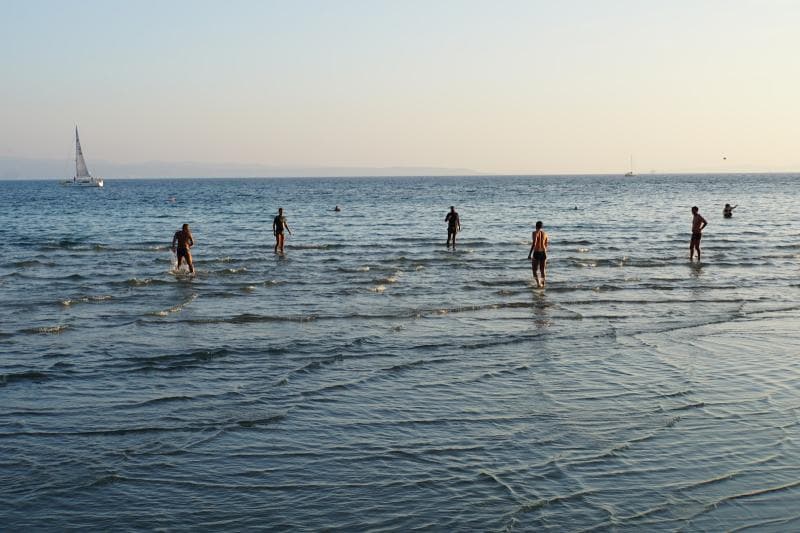
Discover the Picigin Area on Bačvice Beach in Split, Croatia. Learn about the history, cultural significance, and unique gameplay of Picigin, a beloved local ball game.
Overview
The Picigin Area, though not a formally marked zone, refers to the vibrant, shallow sandy expanse of Bačvice Beach in Split, Croatia, which serves as the spiritual home of the traditional Croatian ball game, Picigin. Bačvice Beach itself is Split's most renowned sandy beach, offering a unique coastal experience just a short walk from the city's historic Old Town. Unlike many of Dalmatia's pebble or rocky shores, Bačvice boasts soft sand and remarkably shallow, clear turquoise waters that extend far from the shoreline, creating the perfect natural arena for this beloved local pastime. It is a place where generations gather, where the Adriatic Sea invites playful interaction, and where the rhythmic slap of a small ball against a palm signals a deep-rooted cultural tradition.
Picigin is an amateur, non-competitive game played collectively, typically by five players in a circle, whose sole objective is to prevent a small, peeled tennis ball from touching the water for as long as possible. The game requires agility, quick reflexes, and often impressive acrobatic dives, yet its essence is cooperative, focusing on shared enjoyment rather than rivalry. This area of Bačvice Beach is more than just a playing field; it is a living monument to Split's identity, a place where local culture unfolds daily against the stunning backdrop of the Adriatic.
History & Cultural Background
The origins of Picigin trace back to 1908, right here on the sandy shores of Bačvice Beach. Croatian students, returning from their studies in Prague, found the shallow waters of Bačvice unsuitable for their newly acquired passion for water polo. Undeterred, they improvised, developing a new game that adapted to the unique conditions of the beach – a game that would soon become known as Picigin.
Over the decades, Picigin evolved from a simple beach activity into a deeply ingrained cultural practice, symbolizing the Split way of life. Its historical significance is such that, in June 2008, Picigin was pronounced a Croatian immaterial cultural good by the Ministry of Culture, a status that was permanently designated in 2013, recognizing its value as intangible cultural heritage. This official recognition underscores the game's profound connection to the local identity and its importance in preserving Croatian heritage. It's a testament to how a seemingly simple game can encapsulate the spirit of a community and become a cherished tradition passed down through generations.
What Makes It Special
What sets the Picigin Area apart, and indeed the game itself, is its unique blend of simplicity, athleticism, and cooperative spirit. Played in ankle to waist-deep water, the game doesn't rely on complex rules or formal scoring; instead, its beauty lies in the collective effort to keep the 'balun' – a small, peeled, and polished tennis ball – suspended in the air. The soft, sandy bottom of Bačvice Beach and the gentle slope of the seabed provide the ideal environment, allowing players to perform dramatic, acrobatic dives and leaps without fear of injury.
The lack of competition fosters a rare camaraderie among players, making it less about winning and more about the art of the save and the joy of shared activity. Spectators are often treated to impressive displays of agility as players contort their bodies mid-air to connect with the ball, creating a dynamic and visually engaging spectacle. This non-competitive ethos, combined with the picturesque setting, transforms a simple ball game into a captivating cultural performance, reflecting the relaxed yet spirited nature of Split's inhabitants.
Stories, Fun Facts & Local Details
Picigin is not just a summer pastime; it's played year-round at Bačvice, with a particularly famous tradition of playing on New Year's Day, regardless of the chilly sea temperatures. This demonstrates the profound dedication locals have to their beloved game. The 'balun' itself is a testament to the game's grassroots nature: a standard tennis ball is meticulously stripped of its felt and then polished down by hand, making it smoother, lighter, and bouncier, perfectly suited for the palm strikes of Picigin.
While the game encourages improvisation, there are traditional roles within a typical five-player setup: two 'sidruni' (anchors) maintain stable passing, while three 'trkači' (runners) are responsible for chasing down and saving loose balls with often spectacular, diving efforts. Since 2005, Bačvice Beach has hosted the annual Picigin World Championship, where teams are judged not on points, but on the artistic impression and acrobatic flair of their collective play. This emphasis on style and cooperative artistry rather than pure competition perfectly encapsulates the unique spirit of the game and its players in Split.
Visitor Perspective
For any traveler to Split, a visit to the Picigin Area on Bačvice Beach offers a fascinating glimpse into authentic local life. It's a place where you can observe a vibrant tradition unfolding naturally. You'll often see groups of locals, from young enthusiasts to seasoned veterans, engaging in this fluid, acrobatic dance with the sea and the ball.
While joining an impromptu game might be intimidating for newcomers due to the skill and agility involved, many locals are welcoming to curious visitors. The most memorable experience might simply be to sit, watch, and absorb the unique atmosphere. The area around Bačvice Beach is well-equipped with amenities, including cafes and bars, making it easy to spend a relaxed afternoon observing the Picigin players. Whether you're drawn by the historical roots, the sheer athleticism, or the infectious joy of the game, the Picigin Area provides a genuine and unforgettable cultural encounter in the heart of Split.
Coordinates: 16.44766, 43.502725
View on Google Maps💬 How Travelers Describe This Place
Based on community votes
Unique
539Photogenic
517Must See
424Interesting
251Beautiful
234
Traveler Stories
Discover memorable experiences shared by travelers who have visited this place.
No traveler stories yet.
Be the first traveler to share what made this place memorable.

Tour
By
Spot
Discover amazing places around the world. Your journey starts here.
Explore
© 2026 TourBySpot. All rights reserved.