Picasso Gallery
Venice, Italy
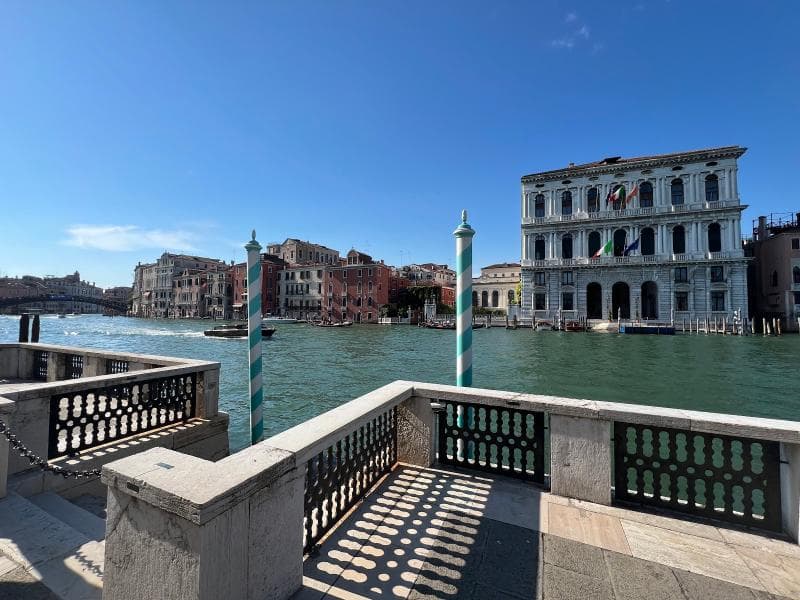
Discover Pablo Picasso's masterpieces within the Peggy Guggenheim Collection in Venice, Italy. Explore his impactful works in Cubism and Surrealism.
Overview
Nestled along the Grand Canal in Venice, Italy, the Peggy Guggenheim Collection stands as a pivotal beacon of modern art, housed within the elegant, unfinished 18th-century Palazzo Venier dei Leoni. While not a dedicated 'Picasso Gallery' in isolation, this esteemed institution proudly showcases a significant selection of works by Pablo Picasso, integrating them into its broader narrative of 20th-century artistic innovation. Visitors embarking on a cultural journey through Venice will discover how Picasso's masterpieces contribute to the collection's formidable representation of Cubism, Surrealism, and other avant-garde movements championed by Peggy Guggenheim herself.
The museum serves as Italy's most important repository for European and American art from the first half of the twentieth century, presenting Peggy Guggenheim's personal collection alongside other significant acquisitions. Within this carefully curated environment, Picasso's works offer a compelling insight into his evolving artistic genius, reflecting his journey through different periods and styles. Exploring these pieces provides a unique opportunity to connect with the revolutionary spirit that defined modern art.
History & Cultural Background
The story of Picasso's presence in the Peggy Guggenheim Collection is intrinsically linked to the legendary collector, Peggy Guggenheim, an American heiress who became one of the most influential patrons of 20th-century art. She amassed her extraordinary collection largely between 1938 and 1946, acquiring works from Europe and America in quick succession, often during the tumultuous years of World War II.
Peggy Guggenheim purchased the Palazzo Venier dei Leoni in 1948 and began displaying her private collection to the public seasonally starting in 1951. After her passing in 1979, the collection and the palazzo were bequeathed to the Solomon R. Guggenheim Foundation, which subsequently opened the museum year-round. Picasso was a towering figure whose innovations deeply resonated with Guggenheim's vision to capture the essence of modernism. His works, acquired by Guggenheim, reflect her discerning eye and her commitment to showcasing artists who redefined the artistic landscape of their time.
The collection features key pieces that span various phases of Picasso's prolific career, illustrating his profound impact on Cubism and his flirtations with Surrealism. These acquisitions were not random; they were part of a deliberate effort by Guggenheim to build a collection that comprehensively represented the artistic avant-garde.
What Makes It Special
What makes the Picasso works within the Peggy Guggenheim Collection particularly special is their ability to tell a condensed story of the artist's immense versatility and constant reinvention. Unlike larger dedicated Picasso museums, this collection offers a focused glimpse into how his pivotal pieces contribute to the broader dialogue of modern art movements. Works like 'The Poet' (1911), a prime example of Analytic Cubism, demonstrate Picasso's radical deconstruction of form and perspective.
Another significant piece, 'The Studio' (1928), showcases Picasso's continued exploration of space and form, depicting the activity within his workshop with a unique cubic style. The history of this particular painting is remarkable, having been reworked by Picasso himself and passing through the hands of prominent dealers before being acquired by Peggy Guggenheim in 1942. This piece, alongside others such as 'On the Beach' (1937) which features Picasso's characteristic monumental figures, offers a tangible connection to the creative force that shaped much of 20th-century art.
The intimacy of the Palazzo Venier dei Leoni, Peggy Guggenheim's former home, also adds to the unique experience. Viewing Picasso's art in such a personal setting, rather than a vast, impersonal gallery, fosters a deeper connection to the works and the collector's vision.
Stories, Fun Facts & Local Details
Imagine Peggy Guggenheim, a woman of extraordinary independence and taste, acquiring these revolutionary works during a time of immense global upheaval. It is said that she bought art 'in dizzying succession' during World War II, effectively rescuing many masterpieces from potential destruction or obscurity. Her decision to live in Venice and open her home as a museum was a profound gift to the city and the art world.
One can almost picture her discussing Picasso's daring brushstrokes or the complex geometry of his Cubist compositions with artists and intellectuals who frequented her Venetian palazzo. Her collection was not merely a display of art; it was a living testament to her relationships with many of the artists she championed, including Picasso. The presence of multiple Picasso pieces (reports suggest around ten) further underscores her appreciation for his genius.
A visit here isn't just about the art; it's about walking through the residence of a woman who lived and breathed modernism. Even Peggy Guggenheim's tombstone is located in the garden, alongside her beloved Lhasa Apso dogs, a touching personal detail that humanizes the entire experience.
Visitor Perspective
For the curious traveler, encountering Picasso's works within the Peggy Guggenheim Collection is a profound experience. You are not just seeing paintings; you are stepping into a crucial chapter of art history. The thoughtfully arranged display allows for contemplation of each piece, inviting you to appreciate Picasso's technical skill and emotional depth. His works, even when part of a larger collection, demand attention and conversation.
As you wander through the Palazzo, from the elegant rooms to the serene sculpture garden, Picasso's contributions serve as powerful anchors in the evolution of modern art. It is a chance to witness the evolution of an artist who continually challenged conventions, from the structured forms of Cubism to the more expressive narratives born from turbulent times. This collection offers a human scale to the often-intimidating world of avant-garde art, making it accessible and deeply moving for all who visit.
Coordinates: 12.3283, 45.4308
View on Google Maps💬 How Travelers Describe This Place
Based on community votes
Unique
826Must See
800Beautiful
387Interesting
242Photogenic
82
Traveler Stories
Discover memorable experiences shared by travelers who have visited this place.
No traveler stories yet.
Be the first traveler to share what made this place memorable.

Tour
By
Spot
Discover amazing places around the world. Your journey starts here.
Explore
© 2026 TourBySpot. All rights reserved.