Phra Ubosot
Bangkok, Thailand
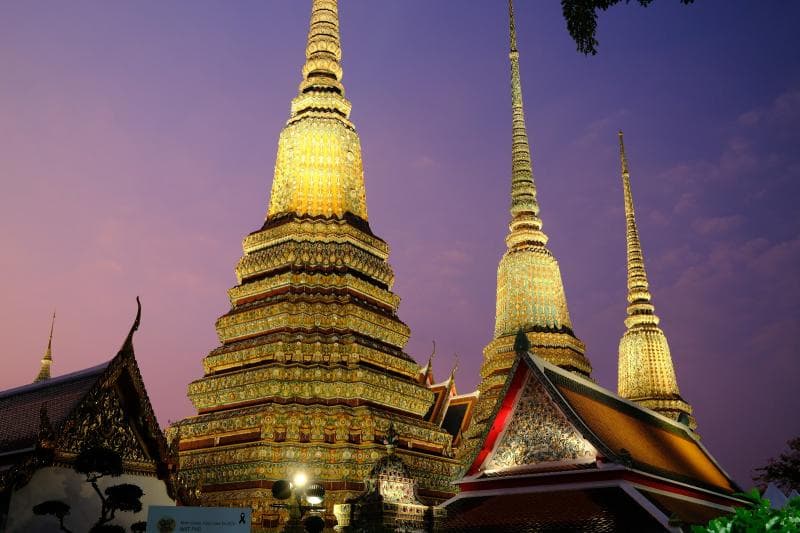

Explore Phra Ubosot, the sacred ordination hall of Wat Pho in Bangkok, Thailand. Discover its rich history, exquisite art, and central role in Buddhist traditions.
Overview
Stepping into Wat Pho, one of Bangkok's oldest and largest temple complexes, visitors often marvel at the majestic Reclining Buddha. However, nestled within its grand grounds lies the equally significant Phra Ubosot, the temple's ordination hall. This sacred edifice serves as the spiritual heart of Wat Pho, where Buddhist monks perform vital rituals and ceremonies, making it the most revered building within the complex. Its exquisite architecture and profound symbolism offer a deeper understanding of Thai Buddhist heritage, inviting a moment of quiet contemplation amidst the bustling city.
History & Cultural Background
The history of Phra Ubosot is deeply intertwined with the foundation and evolution of Wat Pho itself. While Wat Pho predates the establishment of Bangkok as the capital, King Rama I, who ascended to the throne in 1782, initiated its re-establishment and expansion, transforming it into his main temple. The Phra Ubosot was originally constructed during his reign in the Ayutthaya architectural style. Later, King Rama III undertook extensive renovations and enlargements, giving the structure much of its present-day Rattanakosin style. Dedicated in 1791, even before the complete rebuilding of Wat Pho, the Ubosot has always been central to monastic life. It is here that monks are ordained, and important Buddhist rituals are regularly performed, cementing its role as a focal point for spiritual practice and learning within the temple.
A particularly poignant historical detail connects the Phra Ubosot directly to the monarchy: some of the ashes of King Rama I are enshrined beneath the pedestal of the principal Buddha image housed within the hall. This act underscores the temple's royal patronage and its profound significance to the Thai nation.
What Makes It Special
The Phra Ubosot at Wat Pho is a masterpiece of Thai sacred architecture and art, distinguished by several remarkable features. The building stands majestically on a raised marble platform, its exterior adorned with crown-like spires and vibrantly colored-glazed tiles that shimmer under the Bangkok sun. The most prominent feature inside is the principal Buddha image, known as 'Phra Buddha Theva Patimakorn'. This serene golden Buddha is depicted in the posture of concentration, seated upon an elaborate three-tiered pedestal, creating a powerful focal point for devotion.
Equally captivating are the hall's entrance doors. Crafted from teak, they are inlaid with intricate mother-of-pearl, forming stunning depictions of episodes from the Ramakien, Thailand's national epic, which is the Thai version of the Ramayana. These detailed artworks offer a glimpse into ancient myths and legends. On the inner side of these doors, one can observe paintings of ecclesiastical fans of rank, symbols of high monastic dignity presented to monk sovereigns.
The interior walls are a canvas for elaborate mural paintings. Unlike many temple murals that focus solely on the life of the Buddha, those in Phra Ubosot illustrate tales such as the Mahosatha Jataka, the fifth of the Ten Great Birth Stories, which emphasizes wisdom and ingenuity. These vibrant murals, alongside depictions of the heavens and other revered figures, enrich the spiritual atmosphere. Encircling the Phra Ubosot is a low marble wall featuring 152 bas-reliefs, also illustrating scenes from the Ramakien, providing a continuous narrative around the sacred space.
Stories, Fun Facts & Local Details
Beyond its architectural grandeur, Phra Ubosot resonates with stories and cultural nuances that bring its spiritual significance to life. The building is considered the beating heart of Thai spirituality, a place where heaven and earth, art and faith, converge. The very air inside seems to hum with centuries of prayer and devotion. The practice of enshrining the ashes of King Rama I beneath the main Buddha image is a profound gesture, symbolizing a deep and lasting connection between the monarchy and the spiritual well-being of the nation. This unique detail encourages visitors to reflect on Thailand's rich history and the reverence held for its past leaders.
The Ramakien depictions found on the doors and bas-reliefs are not merely decorative; they are a vital part of Thai cultural identity. These epic tales of good versus evil, heroism, and devotion are woven into the fabric of Thai art, literature, and performing arts. Observing these intricate scenes allows visitors to connect with the narratives that have shaped Thai thought and morality for generations. The craftsmanship involved, particularly the delicate mother-of-pearl inlay, speaks to the immense skill and patience of ancient Thai artisans. Every detail, from the vibrant murals to the subtle patterns, reflects a purpose rooted in devotion and a desire to create a space worthy of profound spiritual contemplation.
Visitor Perspective
For the curious traveler, visiting the Phra Ubosot offers a truly immersive cultural and spiritual experience. To fully appreciate its sanctity, it's advisable to approach with a sense of humility and respect. Traditional Thai custom dictates modest dress, covering shoulders and knees, which is important when entering any sacred space in Thailand.
While the Reclining Buddha often draws the most immediate attention at Wat Pho, taking time to explore the Phra Ubosot is highly rewarding. Sit quietly, if possible, and observe the intricate details of the murals, the craftsmanship of the doors, and the serene presence of the main Buddha image. This allows for a shift in perspective, moving from merely sightseeing to experiencing the temple as a spiritual space. You might even witness monks engaging in their daily chants or ceremonies, which offers a rare and authentic glimpse into their monastic life and adds a deeper layer to your visit. Remember to remove your shoes before entering the hall, a common sign of respect in Thai temples, and avoid pointing your feet towards any Buddha images. By embracing these simple courtesies, you can gain a more profound understanding and appreciation for the timeless beauty and spiritual energy of Phra Ubosot.
Coordinates: 100.4936, 13.7464
View on Google Maps💬 How Travelers Describe This Place
Based on community votes
Unique
826Must See
800Beautiful
387Interesting
242Photogenic
82
Traveler Stories
Discover memorable experiences shared by travelers who have visited this place.
No traveler stories yet.
Be the first traveler to share what made this place memorable.

Tour
By
Spot
Discover amazing places around the world. Your journey starts here.
Explore
© 2026 TourBySpot. All rights reserved.