Photography Area
Pristina, Kosovo
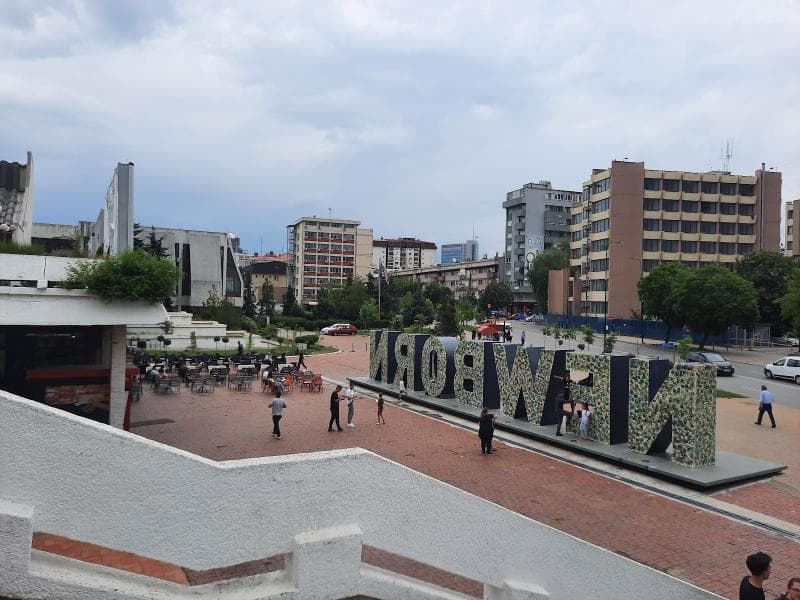
Explore the NEWBORN Monument in Pristina, Kosovo – a powerful symbol of independence and a constantly evolving public art piece, perfect for photography.
Overview
In the vibrant heart of Pristina, Kosovo, stands the iconic NEWBORN Monument, a powerful typographic sculpture that has become an enduring symbol of the nation's independence and resilience. Unveiled on February 17, 2008, the very day Kosovo formally declared its independence from Serbia, this massive installation is more than just a landmark; it's a dynamic public artwork that transforms annually, reflecting the country's ongoing journey. Its prominent location in front of the Palace of Youth and Sports makes it an unmissable and highly sought-after subject for photographers from around the globe, earning it a reputation as one of Pristina's most photographed spots.
History & Cultural Background
The creation of the NEWBORN Monument was a collaborative effort between Kosovar designer Fisnik Ismaili and the creative agency Ogilvy Kosova. The entire project, from concept to installation, was completed in a remarkable ten days, ensuring its unveiling coincided precisely with the declaration of independence. The choice of the English word 'Newborn' was intentional, selected for its positive connotations, ease of understanding, and its powerful ability to symbolize the birth of a new country, representing hope, a new life, and a new future for Kosovo. Initially painted bright yellow with blue banners to echo the colors of both Kosovo's new flag and the European Union, the monument instantly garnered international media attention, even making the front page of The New York Times.
What Makes It Special
What truly sets the NEWBORN Monument apart is its unique tradition of being repainted and redesigned annually on each anniversary of Kosovo's independence. This ongoing transformation allows the monument to serve as a living canvas, reflecting current events, national themes, and messages from Kosovo to the world. This dynamic nature ensures that the monument remains a relevant and evolving piece of public art, constantly offering visitors a fresh perspective and a new story to discover with each visit. It's not merely a static memorial but a continuous narrative of the nation's identity and aspirations.
Stories, Fun Facts & Local Details
Over the years, the NEWBORN Monument has worn many colors and designs, each telling a distinct part of Kosovo's story. Following its initial yellow, it was once repainted with the flags of the countries that recognized Kosovo's sovereignty, and another time adorned in camouflage patterns to honor the Kosovo Liberation Army and NATO forces. In 2022, a particularly striking theme, 'Winged Women,' saw the 'W' in NEWBORN painted with white wings, symbolizing freedom and empowerment. This specific design intentionally created an engaging 'photography spot' where visitors could pose with the wings, adding an interactive element to the monument. The monument has also gained pop culture recognition, famously featured in Rita Ora's music video for 'Shine Ya Light,' where the British-Kosovar singer danced atop its letters, draped in the Kosovar flag. Locals often interact directly with the monument, with many having signed their names on its surface during earlier phases, further cementing its role as a collective symbol of national pride.
Visitor Perspective
For any traveler exploring Pristina, the NEWBORN Monument is an essential stop, offering both historical insight and a fantastic photo opportunity. The monument is freely accessible 24/7, making it easy to visit at any time. Photography enthusiasts will find that the 'golden hour'—early morning or late afternoon—provides the best natural light for capturing stunning images of the monument, especially when it features designs like the 'Winged Women' where specific areas are highlighted for interaction. Its central location also makes it convenient to combine with visits to other nearby landmarks such as the National Library of Kosovo and the Mother Teresa Cathedral. Beyond being a static display, the area around NEWBORN often buzzes with activity, hosting events, concerts, and gatherings, particularly vibrant on Independence Day. This constant evolution and accessibility make the NEWBORN Monument a truly unique and memorable cultural experience in Kosovo's capital.
Coordinates: 21.158209, 42.660539
View on Google Maps💬 How Travelers Describe This Place
Based on community votes
Must See
965Interesting
743Photogenic
719Beautiful
629Unique
176
Traveler Stories
Discover memorable experiences shared by travelers who have visited this place.
No traveler stories yet.
Be the first traveler to share what made this place memorable.

Tour
By
Spot
Discover amazing places around the world. Your journey starts here.
Explore
© 2026 TourBySpot. All rights reserved.