Photo Collections
Vientiane, Laos
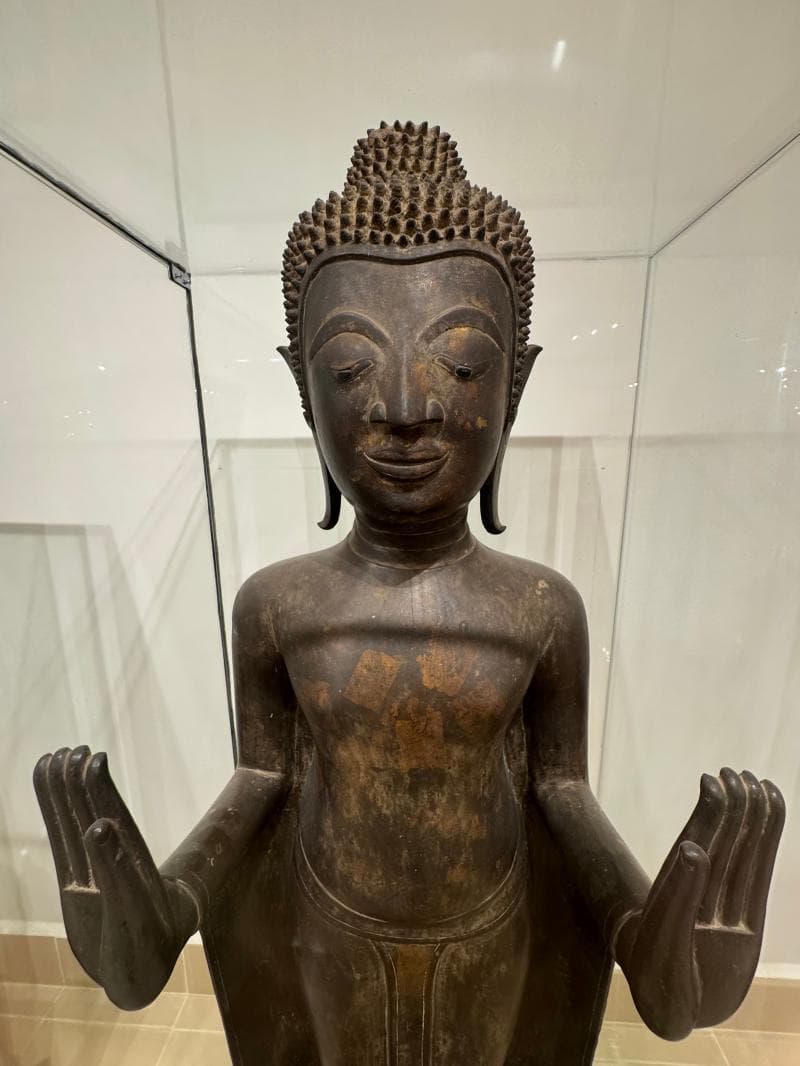
Explore the Photo Collections at the Lao National Museum in Vientiane, Laos, for a powerful visual journey through the nation's history and culture.
Overview
The Photo Collections at the Lao National Museum in Vientiane offer a profound visual journey through the rich and often turbulent history of Laos. While not a standalone gallery explicitly titled 'Photo Collections', photographs are meticulously integrated throughout the museum's extensive exhibits, serving as vital historical documents and poignant visual narratives. These images provide visitors with an intimate glimpse into the nation's past, from ancient times to its modern political and cultural evolution. The museum, which relocated to a new, modern facility on Kaisone Phomvihanh Avenue in 2017, utilizes these visual records to enhance the understanding of its diverse artifacts and historical timelines. Expect to encounter a broad spectrum of photographic materials that capture pivotal moments, everyday life, and the enduring spirit of the Lao people.
These collections are indispensable for understanding the country's trajectory, offering context and depth to the numerous archaeological finds, traditional crafts, and historical documents displayed alongside them. The visual narratives cover a span from prehistoric civilizations and the ancient Lan Xang Kingdom through the French colonial period, the struggle for independence, and the revolutionary movement that shaped modern Laos.
History & Cultural Background
The photographic exhibits within the Lao National Museum are deeply rooted in the nation's historical and cultural context, serving as a powerful medium for storytelling and remembrance. Many of these images trace their origins back to the periods of foreign influence and conflict, particularly the French colonial era and the subsequent struggles for national liberation. The museum, originally established in 1980 as the Lao Revolutionary Exhibition Hall, has always placed a strong emphasis on documenting the revolutionary history of Laos. Photographs from this period vividly depict the Pathet Lao revolution, showcasing key figures, events, and the significant societal changes that led to the establishment of the Lao People's Democratic Republic in 1975.
Beyond political narratives, the collections also encompass photographs illustrating the diverse ethnic groups of Laos, their unique customs, traditions, and ways of life, highlighting the country's rich cultural tapestry. These visual records contribute significantly to the museum's mission of researching, preserving, and promoting Laos's historical and cultural heritage.
What Makes It Special
What makes the photographic collections truly special is their ability to humanize history, transforming abstract events into tangible experiences. Visitors can explore 'graphic photographs' that narrate the story of the CIA-led 'Secret War' and the American military presence during the Vietnam War, offering a perspective rarely found in Western historical accounts. These images include arresting depictions of Lao people protesting, classrooms of children learning in underground caves to escape bombings, and the devastating impact of unexploded ordnance that still affects the country today.
Furthermore, the museum occasionally hosts 'Temporary photography shows upstairs', with rotating exhibits that feature diverse subjects, from artistic interpretations of daily life to cultural celebrations. This dynamic approach ensures that there's always something new for returning visitors, offering fresh insights and diverse perspectives on Lao society and culture. This blend of permanent historical documentation and evolving temporary displays creates a unique and engaging experience for anyone interested in the visual history of Laos.
Stories, Fun Facts & Local Details
The photographs are rich with untold stories and cultural insights. For instance, images of 'U.S., go home' signs and effigies of Henry Kissinger offer a raw, unfiltered look at the anti-Western sentiment prevalent during the war era, a perspective often absent from external narratives. Other photographs might capture the resilience of rural communities, traditional ceremonies, or the architectural evolution of Vientiane itself. While not explicitly 'fun facts', the emotional weight carried by many of these historical photos provides a deep and meaningful connection to the Lao experience.
A notable aspect is how these photographs, despite sometimes being described as 'not as comprehensive or as well organised' in older reviews of the previous location, nonetheless convey powerful messages. They are crucial in depicting traditional Lao dress, musical instruments, and the blend of ancient and modern aspects of Lao identity. The museum's dedication to presenting the country's history from its own viewpoint ensures that these visual records serve as an authentic voice of the Lao people.
Visitor Perspective
For a curious traveler, the Photo Collections at the Lao National Museum offer an immersive and often thought-provoking experience. Visitors should approach these exhibits with an open mind, understanding that they are viewing history through a uniquely Lao lens. The images effectively complement the physical artifacts, such as dinosaur bones, Khmer sculptures, and ancient pottery, painting a more complete picture of Laos's journey.
It is important to note that photography rules within the museum can be strict; visitors are often asked not to bring cameras inside, or photography may be prohibited in certain areas to protect the integrity of the exhibits and the visitor experience. Plan to spend ample time, at least one to two hours, to fully absorb the visual narratives and the accompanying explanations, which are often provided in both Lao and English. The photographic displays are not merely decoration; they are integral to comprehending the depth of Lao history and cultural identity.
Coordinates: 102.6, 17.9667
View on Google Maps💬 How Travelers Describe This Place
Based on community votes
Photogenic
703Unique
521Must See
477Beautiful
157Interesting
28
Traveler Stories
Discover memorable experiences shared by travelers who have visited this place.
No traveler stories yet.
Be the first traveler to share what made this place memorable.

Tour
By
Spot
Discover amazing places around the world. Your journey starts here.
Explore
© 2026 TourBySpot. All rights reserved.