Permanent Latvian Art Collection
Riga, Latvia
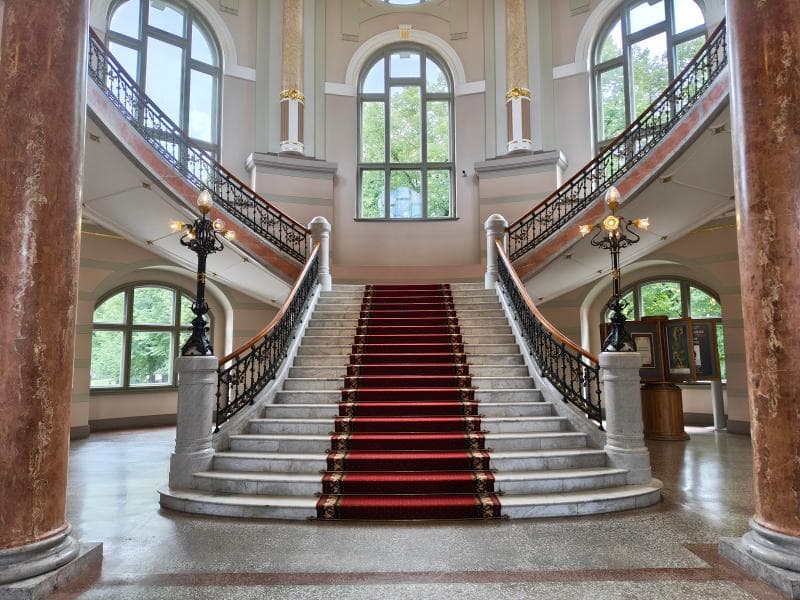
Explore the Permanent Latvian Art Collection at the Latvian National Museum of Art in Riga, Latvia. Discover centuries of national art and cultural heritage.
Overview
Nestled in the heart of Riga, Latvia, the Permanent Latvian Art Collection resides within the majestic Latvian National Museum of Art (LNMA), a cultural beacon and a testament to the nation's artistic spirit. This prominent institution is not just a museum; it is the most significant art museum in Latvia, distinguishing itself as the first building in the Baltic region specifically conceived and constructed for the purpose of an art museum, completed between 1903 and 1905. Its grand architecture alone, blending Historicism with delightful Art Nouveau elements, commands attention.
The collection itself is a comprehensive journey through Latvian art, serving as the largest repository of national art in the country. It provides a rich tapestry of professional art development in both Latvia and the broader Baltic area, spanning from the mid-18th century right up to the contemporary era. Visitors are invited to explore the main permanent exhibition, aptly titled 'Latvian Art. 19th–20th Century,' which meticulously traces the evolution of art over two pivotal centuries, offering profound insights into the nation's creative heritage.
History & Cultural Background
The roots of the Latvian National Museum of Art stretch back to the Riga City Picture Gallery, established in 1869, laying the groundwork for what would become a national treasure. The current, purpose-built edifice, an architectural landmark of national significance, was designed by Wilhelm Neumann, who also served as the museum's inaugural director from 1905 to 1919. However, the deliberate and systematic building of a collection focused on Latvian visual art truly blossomed from the 1920s to the 1930s, under the visionary leadership of the renowned Latvian painter, Vilhelms Purvītis.
Latvian art, as a distinct national expression, began to flourish in the late 19th century. During this period, a generation of artists, many of whom trained in the prestigious Imperial Academy of Arts in St. Petersburg, started to fuse various artistic currents. They expertly blended neo-Romanticism and realism with emerging styles like Impressionism, Symbolism, and Art Nouveau. This artistic flourishing was deeply intertwined with the preservation of Latvian cultural identity. Artists frequently drew inspiration from the rich tapestry of Latvian folklore, mythology, and traditional crafts, imbuing their creations with elements that vividly reflected Latvia's unique heritage. A significant renovation between 2010 and 2015 revitalized the museum, doubling its total size and leading to the creation of the current permanent exposition.
What Makes It Special
What truly sets the Permanent Latvian Art Collection apart is its singular dedication to showcasing the complete narrative of Latvian national art. It stands as the most comprehensive collection of its kind, presenting a historical panorama from the nuanced portraits of the 18th century to the bold modernist expressions of the 20th century. Within its halls, visitors encounter the foundational figures of Latvian national painting, such as Janis Rozentāls and Vilhelms Purvītis, whose works captured the essence of the Latvian landscape and everyday life.
The collection masterfully illustrates the artistic shifts that mirrored Latvia's journey as an emerging nation. It highlights the fascinating transition from the classical academism and realism of earlier periods to the innovative and often avant-garde movements that defined the early 20th century. Moreover, the museum building itself is an integral part of the special experience. As the first structure in the Baltics purpose-built for an art museum, its grand Historicist exterior and subtle Art Nouveau interior details are an architectural marvel, making the visit a dual exploration of art and design. The extensive 2016 renovation brought modern infrastructure, including a new underground volume for art storage and enhanced exhibition spaces, ensuring the collection is displayed in a contemporary and accessible environment.
Stories, Fun Facts & Local Details
One fascinating chapter in the museum's history revolves around Vilhelms Purvītis. A celebrated Latvian painter in his own right, Purvītis took the helm of the museum as its director in 1919. This was a crucial period for the newly independent nation, and under his guidance, the purposeful development of a national art collection truly gained momentum, solidifying the museum's role in shaping Latvia's artistic identity.
Early Latvian artists like Janis Rozentāls were instrumental in defining a national painting style, often finding inspiration in the serene Latvian landscapes and the simple beauty of daily life, creating a visual language unique to the region. A 'fun fact' for art historians is the 'Rūķis' (Gnome) association, formed in St. Petersburg in the late 19th century. This group brought together nationally-minded Latvian artists, fostering a sense of shared purpose and artistic development. The museum also cherishes special memorial collections dedicated to significant artists like Jāzeps Grosvalds, Teodors Zaļkalns, and Gustavs Šķilters, offering a more intimate glimpse into their lives and works.
Riga itself is famed for its stunning architectural heritage, particularly its widespread Art Nouveau district. This rich urban design often echoes the artistic movements showcased within the museum's walls, providing a harmonious cultural experience as visitors explore both the museum and the city. For the modern traveler, the museum enhances the experience with a free mobile application, 'Mākslas muzejs,' offering interactive audio guides in Latvian, Russian, and English for the permanent collections, making exploration both easy and informative.
Visitor Perspective
The Latvian National Museum of Art, home to this remarkable collection, is conveniently situated at Jaņa Rozentāla laukums 1, Riga. Its central location makes it easily accessible on foot from many of Riga's main attractions, including the Freedom Monument and the charming Old Town. For those preferring public transport, numerous bus and trolleybus stops are just a short walk away.
The museum prides itself on its commitment to openness and accessibility for all visitors. It offers a variety of educational programs designed for different age groups, aiming to deepen understanding and appreciation of art. A particularly welcoming detail is the free admission offered on the last Sunday of every month, providing an excellent opportunity for wider engagement with Latvian art. The availability of audio guides through a complimentary mobile app is a thoughtful addition, allowing visitors to delve deeper into the stories behind the artworks at their own pace. Beyond the artworks, the magnificent museum building itself, with its impressive architecture and post-renovation modern spaces, significantly enriches the overall visitor experience, making it a memorable stop on any Riga itinerary.
Coordinates: 24.113123, 56.955775
View on Google Maps💬 How Travelers Describe This Place
Based on community votes
Interesting
953Beautiful
695Photogenic
658Must See
396Unique
22
Traveler Stories
Discover memorable experiences shared by travelers who have visited this place.
No traveler stories yet.
Be the first traveler to share what made this place memorable.

Tour
By
Spot
Discover amazing places around the world. Your journey starts here.
Explore
© 2026 TourBySpot. All rights reserved.