Pedestrian Zone
Sofia, Bulgaria
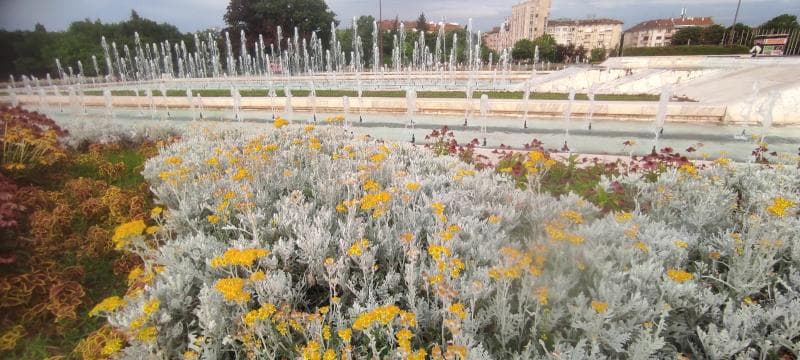
Explore the vibrant Pedestrian Zone on Vitosha Boulevard in Sofia, Bulgaria. Discover cafes, shops, history, and stunning Vitosha Mountain views.
Overview
Vitosha Boulevard, affectionately known by locals as 'Vitoshka', stands as Sofia, Bulgaria's most iconic and vibrant pedestrian thoroughfare. It is the pulsating heart of the city, stretching from the historic St. Nedelya Square in the north to the sprawling National Palace of Culture (NDK) in the south. The most famous and bustling part is the dedicated pedestrian zone, primarily located between Alabin Street and Patriarch Evtimiy Boulevard. This central artery is not just a street; it is a dynamic blend of high-end fashion boutiques, charming outdoor cafes, world-class restaurants, and lively bars, all set against the breathtaking backdrop of the majestic Vitosha Mountain.
Walking along 'Vitoshka' offers a unique sensory experience. The vibrant atmosphere is palpable, with the chatter of locals and visitors mingling, the aroma of Bulgarian coffee and international cuisine wafting from countless eateries, and the distant, ever-present silhouette of Vitosha Mountain framing the southern end of the street. It serves as Sofia's primary commercial and social hub, a place where the city's rich history gracefully intertwines with its modern, energetic urban pulse.
History & Cultural Background
The story of Vitosha Boulevard is deeply interwoven with the development of Sofia itself, particularly after the city was designated the capital of Bulgaria in the late 19th century. Initially, it was an unadjusted street during the Ottoman rule, known as 'Dzhebel vitosh sokagi'. In 1883, after the Liberation, it was officially named 'Vitoshka ulitsa' or Vitosha Street.
Over the decades, the boulevard underwent several name changes, reflecting Bulgaria's tumultuous history. It was briefly known as 'General Yosif Gurko', then 'Tsaritsa Joanna', and even 'Joseph Stalin' after World War II, before its original name, Vitosha, was restored in 1961. In its early days, the street was lined with modest, low, one-storey houses. However, during the interwar period, it transformed into an imposing trade street as modernist residential and public buildings began to rise, dramatically altering its appearance.
The concept of a fully pedestrianized zone on Vitosha Boulevard is relatively recent. Until 2005, cars and trams still ran through its entirety. Significant reconstruction and renovation efforts, particularly in 2013 and a major completion in 2015, cemented its status as a pedestrian-only area between Alabin Street and Patriarch Evtimiy Boulevard. These renovations aimed to restore a 1930s Sofia aesthetic, adding historical benches, elegant street lights, Art Nouveau kiosks, green spaces, and fountains, enhancing its appeal as a vibrant public space.
What Makes It Special
The pedestrian zone of Vitosha Boulevard is distinguished by several unique features that elevate it beyond a mere shopping street. Foremost among these is the constant and spectacular view of Vitosha Mountain. As you stroll down the boulevard, especially looking south towards the National Palace of Culture, the impressive 2,290-meter peak provides a dramatic natural backdrop, a truly distinctive urban view in Bulgaria. This unique urban-mountain juxtaposition is why the street, and indeed many other things in Sofia, bears the mountain's name.
Furthermore, 'Vitoshka' is renowned for its specific blend of luxury and accessibility. It has historically been a magnet for high-end fashion brands like Versace, Armani, and Max Mara, establishing its reputation as one of the world's most expensive trade streets in the past. While some top-tier brands have shifted to adjacent streets, the boulevard maintains a selection of premium shops alongside more accessible international and local brands.
Its 'colorful cobblestones' are another visual characteristic, guiding pedestrians through this lively area. The boulevard is meticulously maintained, featuring elegant street lamps, comfortable benches, and carefully arranged flower beds, all contributing to a pleasant and inviting environment.
Stories, Fun Facts & Local Details
Locals often refer to the boulevard simply as 'Vitoshka', a common and endearing abbreviation that speaks to its familiarity and importance in daily life. It is not just a place for commerce but a fundamental social space. The corner of Vitosha and Patriarch Evtimiy Boulevards, for instance, is famously known as 'Aptekata' (The Pharmacy) because it was once a significant pharmacy and has since become a popular, informal meeting point for Sofianites.
In the evening, especially on warm nights, the boulevard truly comes alive. The outdoor terraces of cafes and restaurants fill up, offering some of the best people-watching opportunities in the Balkans. It becomes a lively stage for street performers and occasional vendors, adding to the vibrant street life and festive atmosphere.
For those interested in a deeper dive into Sofia's past, Vitosha Boulevard marks the starting point for several free walking tours, typically beginning near the Palace of Justice at its northern end. This connection highlights its role as a gateway to understanding the city's rich history and culture.
Visitor Perspective
For any traveler to Sofia, the pedestrian zone of Vitosha Boulevard is an unmissable experience. It's a place designed for leisurely exploration, whether you're seeking a specific item, a gourmet meal, or simply a spot to soak in the local atmosphere. The best way to experience it is on foot, allowing you to wander, discover hidden gems in side streets, and appreciate the architectural nuances.
Many visitors find that the boulevard is at its most enchanting in the late afternoon and early evening, as the city transitions from work to leisure. Cafes and bars buzz with activity, and the soft glow of streetlights illuminates the pathway. During clear days, taking a moment to appreciate the striking view of Vitosha Mountain at the end of the street is highly recommended, perhaps with a cup of traditional Bulgarian coffee.
While generally very safe, like any popular urban destination, it's wise to be mindful of personal belongings, especially in crowded areas. The boulevard's central location means it is easily accessible from various parts of Sofia, with metro stations at both its northern (Serdika) and southern (National Palace of Culture) ends, making it a convenient starting or ending point for exploring other city landmarks.
Coordinates: 23.3196611, 42.6913306
View on Google Maps💬 How Travelers Describe This Place
Based on community votes
Interesting
958Unique
794Beautiful
571Must See
546Photogenic
157
Traveler Stories
Discover memorable experiences shared by travelers who have visited this place.
No traveler stories yet.
Be the first traveler to share what made this place memorable.

Tour
By
Spot
Discover amazing places around the world. Your journey starts here.
Explore
© 2026 TourBySpot. All rights reserved.