Pedestrian Boulevard
Pristina, Kosovo
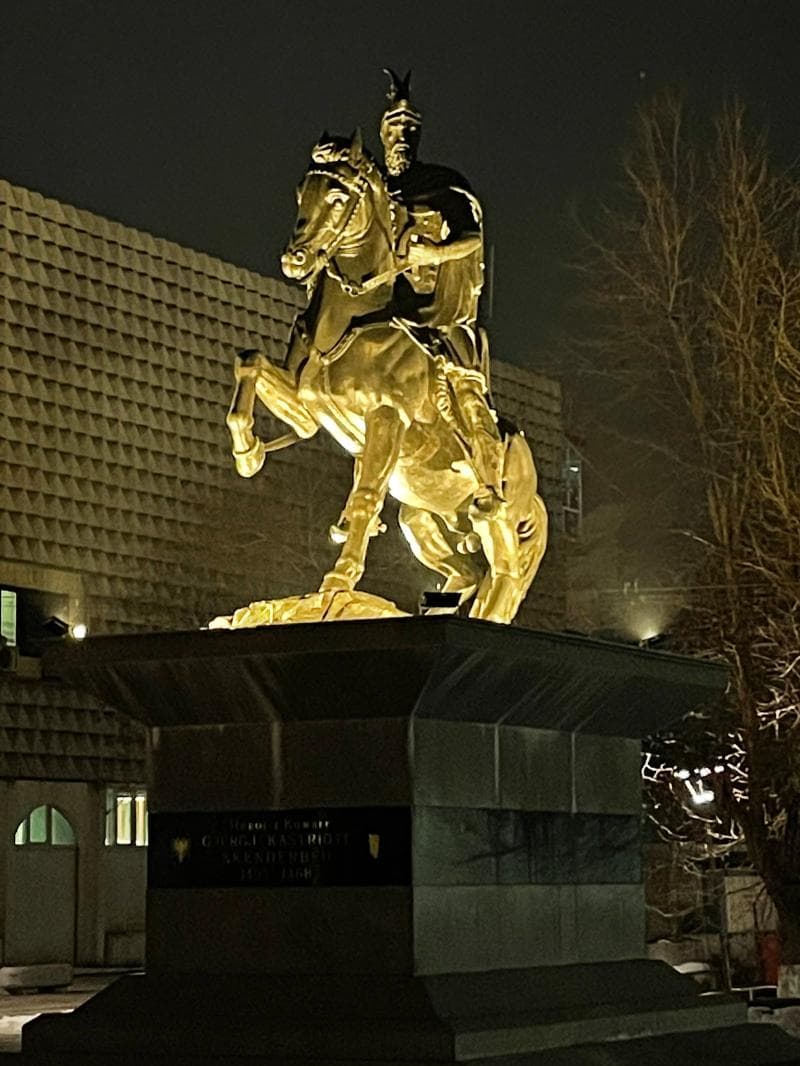
Explore Skanderbeg Square and its vibrant Pedestrian Boulevard in Pristina, Kosovo. Discover history, culture, and local life in the city's heart.
Overview
In the vibrant heart of Pristina, Kosovo, lies Skanderbeg Square, a central public space that seamlessly integrates with the bustling pedestrian boulevard, Bulevardi Nënë Tereza. Together, these areas form the city's main pedestrian zone, a lively artery where the pulse of Kosovar life is most tangibly felt. Skanderbeg Square, named after the revered Albanian national hero, Gjergj Kastrioti Skanderbeg, is more than just a landmark; it is a focal point of historical memory, national identity, and daily social interaction. It serves as a natural starting point for any curious traveler wishing to delve into Pristina's unique blend of history, culture, and contemporary urban energy.
The square itself is a spacious, open area, dominated by a striking equestrian statue of Skanderbeg. Surrounding this central monument, the pedestrian pathways extend into the vibrant Mother Teresa Boulevard, where the city truly comes alive. This expansive pedestrian stretch is a magnet for locals and visitors alike, inviting leisurely strolls, animated conversations in outdoor cafes, and observation of the city's dynamic rhythm. From significant government buildings to casual street vendors, the area encapsulates Pristina's multifaceted character, offering a rich tapestry of experiences for those who wander its paths.
History & Cultural Background
Skanderbeg Square's establishment is deeply rooted in Kosovo's post-conflict identity. Following the end of the Kosovo conflict in 1999, and with the country no longer under Serbian rule, Kosovo Albanians erected a monument to Skanderbeg in 2001 in the center of Pristina. This was a powerful symbolic gesture, connecting the newly emerging nation with a shared cultural heritage and national pride. Gjergj Kastrioti Skanderbeg, a 15th-century Albanian nobleman and military commander, is celebrated for his valiant resistance against the Ottoman Empire, making him a profound figure of Albanian identity.
The impressive equestrian statue of Skanderbeg, depicting him on a rearing horse with his sword pointed towards the ground, was transported from Krujë in Albania over a four-day journey to take its place in Pristina. This act itself underscored the deep cultural ties between Albania and Kosovo. The statue's socialist aesthetic and dynamic pose echo similar monuments found in other Balkan capitals like Tirana and Skopje, reflecting a broader regional narrative of heroism and national struggle. Beyond the statue, the square also hosts a poignant war memorial dedicated to the victims of the Kosovo War, featuring photographs of those missing from the conflict, further solidifying its role as a space for remembrance and resilience.
What Makes It Special
What truly sets Skanderbeg Square and its adjacent pedestrian boulevard apart is their dual role as both a historical monument and a living, breathing urban center. It is a place where the weight of history—represented by the defiant Skanderbeg statue and the solemn war memorial—coexists harmoniously with the lightness of everyday life. The design of the square as a wide, open pedestrian zone encourages public gathering, making it a natural venue for civic expression, national celebrations, and even political rallies.
The extension into Mother Teresa Boulevard transforms this historical core into a vibrant social stage. This boulevard is characterized by its continuous flow of people, its countless outdoor cafes, and a relaxed atmosphere perfect for 'people-watching.' It’s not just a passageway but a destination in itself, lined with shops and often hosting street vendors. The blend of impressive governmental architecture bordering the square with the casual, inviting street life of the boulevard creates a unique urban experience, symbolizing Pristina's journey from a past marked by conflict to a present embracing community and future aspirations.
Stories, Fun Facts & Local Details
For many locals, the pedestrian area around Skanderbeg Square and Mother Teresa Boulevard is simply 'the promenade' – a place deeply woven into the fabric of daily life. It’s common to see multi-generational families strolling together in the evenings, old men engaged in conversation on benches, and smartly dressed young people enjoying the café culture. The air is often filled with the aroma of coffee emanating from numerous cafes, a testament to Pristina's active and cherished cafe scene.
A fun detail is how the Newborn Monument, another significant symbol of Kosovo's independence located nearby, often changes its artistic presentation annually, reflecting the country's evolving story and vibrant artistic spirit. While not directly within Skanderbeg Square, its proximity and thematic resonance contribute to the overall narrative of modern Pristina's public spaces. The area also serves as a canvas for informal interactions; you might encounter street musicians, small-scale vendors selling everything from roasted chestnuts to souvenirs, or even a friendly local eager to share a story about their city. The genuine warmth and hospitality of Kosovars often turn a simple stroll into a memorable encounter.
Visitor Perspective
A visit to the Pedestrian Boulevard and Skanderbeg Square offers a genuine immersion into Pristina's heart. For a curious traveler, it's an opportunity to experience the city's pulse without needing a rigid itinerary. Begin by taking in the grandeur of the Skanderbeg statue, appreciating its historical weight and artistic presence. From there, allow yourself to be drawn into the flow of Mother Teresa Boulevard. Find a spot at one of the many outdoor cafes, order a macchiato, and simply observe the vibrant street life unfolding before you.
Consider visiting in the early evening when the boulevard becomes particularly animated, with families and friends enjoying their 'xhiro' (evening stroll). The square's flat, smoothly paved surfaces make it easily accessible for everyone. Look out for the war memorial with its poignant photographic displays, offering a quiet moment for reflection on Kosovo's recent past. Whether you're seeking cultural insights, a historical perspective, or simply a pleasant urban experience, this central pedestrian zone provides an authentic window into the soul of Pristina, making it a must-visit for anyone wishing to understand the city beyond its headlines.
Coordinates: 21.1638, 42.6636
View on Google Maps💬 How Travelers Describe This Place
Based on community votes
Unique
958Must See
743Photogenic
728Beautiful
719Interesting
382
Traveler Stories
Discover memorable experiences shared by travelers who have visited this place.
No traveler stories yet.
Be the first traveler to share what made this place memorable.

Tour
By
Spot
Discover amazing places around the world. Your journey starts here.
Explore
© 2026 TourBySpot. All rights reserved.