Peak Tram
Hong Kong, China
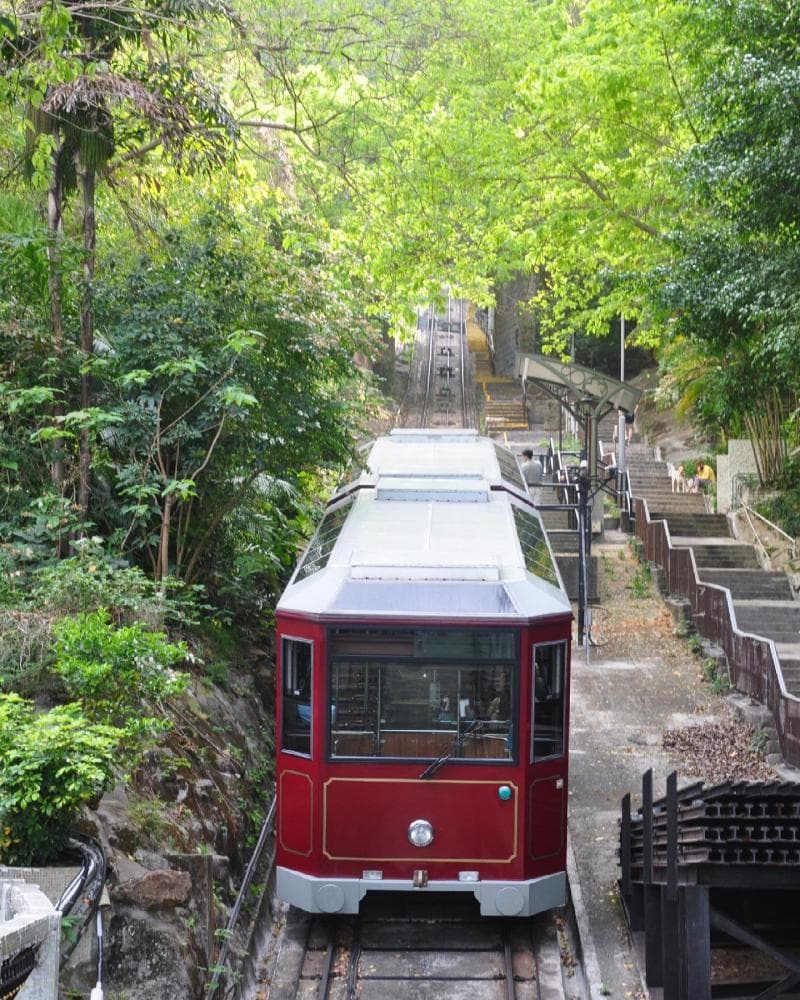
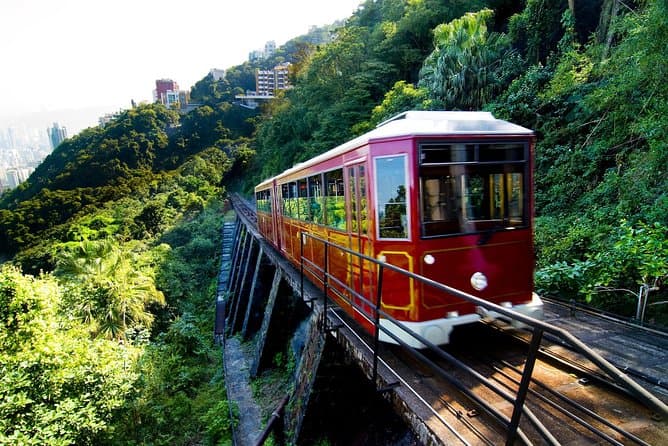
Experience Hong Kong's iconic Peak Tram, Asia's first funicular, for breathtaking views of the city skyline from Victoria Peak. Discover its rich history and unique optical illusion.
Overview
The Peak Tram in Hong Kong is more than just a mode of transport; it's a journey steeped in history and a quintessential experience for anyone visiting the city. As Asia's very first funicular railway, it has been scaling the steep slopes of Victoria Peak since 1888. This iconic tram connects the bustling Central district, specifically its Garden Road terminus, with the serene heights of Victoria Peak. The approximately 1.4-kilometer (0.87-mile) ride ascends nearly 400 meters (1,300 feet) above sea level, reaching gradients as steep as 27 degrees. The eight-minute journey offers spectacular, ever-expanding views of Hong Kong's iconic skyline, Victoria Harbour, and the surrounding islands, making the ride itself a significant part of the overall experience.
History & Cultural Background
The story of the Peak Tram began in 1881 when a cable-hauled railway was proposed, primarily to serve the British colonial officials and affluent residents who sought the cooler climate of Victoria Peak. The Hong Kong High Level Tramways Company brought this ambitious project to life, with the tram opening its doors to the public on May 30, 1888. Its inception marked a significant engineering feat, originally operating with a static steam engine to power the haulage cable. The tram's early days mirrored the social stratification of colonial Hong Kong, featuring a distinct three-class seating system: first class for officials and Peak residents, second for police and military, and third for all others. A notable detail was the reservation of the front two first-class seats for the governor between 1908 and 1949.
Over its long life, the Peak Tram has undergone numerous transformations. The original varnished timber cars, capable of carrying around 30 passengers, were replaced and upgraded over time. In 1926, the system transitioned from coal-fired steam to electric power, enhancing its efficiency and reliability. The tram even sustained damage during the Japanese occupation in 1941, but impressively resumed service by Christmas Day 1945. The most recent and comprehensive modernization, completed in 2022, introduced the sixth generation of tramcars, painted in a bespoke 'Peak Tram Green' to honor its heritage, featuring increased capacity and modern amenities.
What Makes It Special
What sets the Peak Tram apart is its unique blend of historical significance, engineering marvel, and unparalleled visual spectacle. As Asia's first funicular, it holds a special place in the region's transportation history. The steep incline of the ascent creates a fascinating optical illusion where, to passengers, the surrounding high-rise buildings appear to lean and fall backward. This phenomenon, attributed to a change in subjective vertical perception, is a quirky highlight of the ride, especially pronounced at night when fewer external cues are available. The latest generation of trams features expansive, floor-to-ceiling panoramic windows, ensuring an unobstructed and breathtaking panorama of the city's dynamic landscape from almost every vantage point during the ascent and descent.
Stories, Fun Facts & Local Details
The Peak Tram's inauguration was an immediate success, carrying 800 passengers on its first day and an impressive 150,000 within its first year. Beyond its functional role, the tram has woven itself into the cultural fabric of Hong Kong, appearing in various films, such as the 1950s movie 'Soldier of Fortune' starring Clark Gable, and even on television shows like 'The Love Boat.' The historic practice of reserving the best seats for the governor, marked by a brass plaque, offers a vivid glimpse into the colonial-era social hierarchy. Today, the tram continues to be a major attraction, transporting approximately 17,000 passengers daily, contributing to over 4 million annual riders. Despite its many upgrades, the tram still largely follows its original alignment, a testament to its enduring design.
Visitor Perspective
For visitors, the Peak Tram offers an unforgettable ascent to one of Hong Kong's most famous viewpoints. The journey takes roughly eight minutes. Once at the top, passengers disembark at the Peak Tower, an impressive structure that houses the upper terminus and provides access to various attractions. Most travelers typically spend one to three hours exploring the summit, which includes Sky Terrace 428 – Hong Kong's highest outdoor observation deck – alongside numerous dining and shopping options at Peak Galleria. To maximize the viewing experience, it's often recommended to sit on the right side when ascending for the best harbor views, and the left side when descending. To avoid the longest queues, which can be considerable, planning a visit for early mornings (before 9 AM) or later evenings (after 8 PM) on weekdays is advisable. An evening ride is particularly magical, as the city lights transform the skyline into a dazzling spectacle. The Peak Tram Lower Terminus is conveniently located near Central MTR station, about a 10-minute walk from Exit J2.
Coordinates: 114.14994, 22.27104
View on Google Maps💬 How Travelers Describe This Place
Based on community votes
Must See
997Unique
785Photogenic
571Interesting
546Beautiful
103
Traveler Stories
Discover memorable experiences shared by travelers who have visited this place.
No traveler stories yet.
Be the first traveler to share what made this place memorable.

Tour
By
Spot
Discover amazing places around the world. Your journey starts here.
Explore
© 2026 TourBySpot. All rights reserved.